
- Release Year: 2022
- Platforms: Android, iPad, iPhone, Macintosh, Nintendo Switch, Windows
- Publisher: woof inc.
- Genre: Action
- Perspective: Diagonal-down
- Game Mode: Single-player
- Gameplay: Puzzle elements, RPG elements
- Setting: Fantasy
- Average Score: 97/100
Description
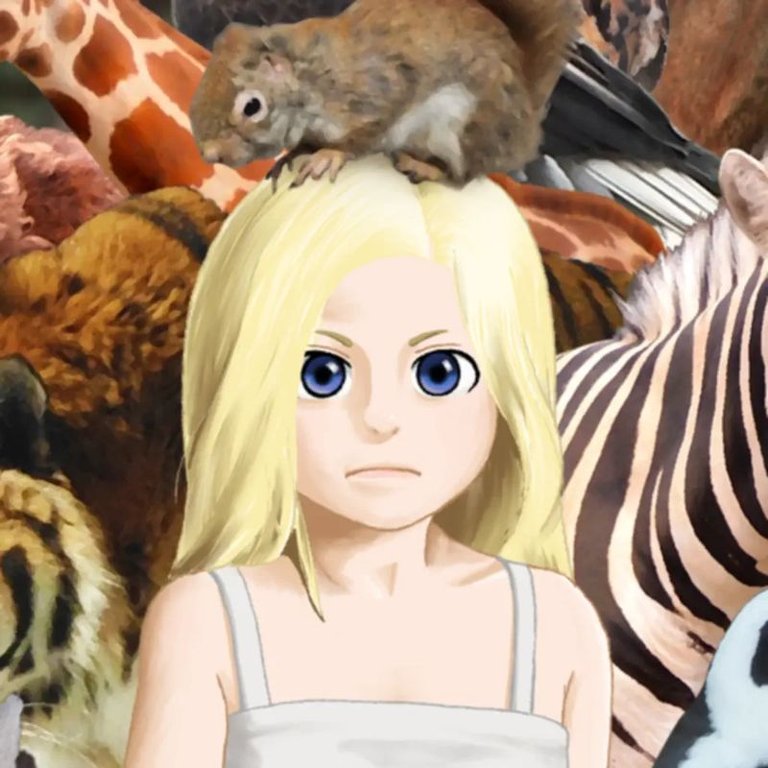
100animalease is a whimsical action-adventure puzzle RPG set in a mysterious facility where players must escape alongside 100 recruited animals. As players progress, the line of animal followers grows comically long, driven by humorous dialogue and quirky requests. With 2D scrolling visuals and puzzle-solving mechanics, this fantasy-themed game blends RPG elements with a charming, lighthearted atmosphere created in just 100 days.
Gameplay Videos
Where to Buy 100animalease
PC
100animalease Patches & Updates
100animalease Guides & Walkthroughs
100animalease Cheats & Codes
PC
Enter pass codes at respective chests/cages.
| Code | Effect |
|---|---|
| 6455 | Unlocks first chest |
| 3045 | Unlocks second chest, reveals rope |
| 3107 | Unlocks third chest (near infected rhino) |
| 8931 | Unknown purpose (PEMDAS hint) |
| PACY | Unlocks all cages |
100animalease: A Triumph of Tenacity and Absurdity
Introduction
In an industry saturated with triple-A spectacles and polished indie darlings, 100animalease emerges as a defiant anomaly—a gleaming testament to the transformative power of constraint. Born from the pandemic-induced unemployment of its creator, sewohayami, this action-adventure game defies expectations not with graphical fidelity or sprawling worlds, but with a singular, audacious vision: escape a collapsing facility with a chain of 100 befriended animals. Its development—a frenetic 100-day sprint documented on social media—became a viral phenomenon, culminating in awards like the Google Play Indie Games Festival 2023 TOP 20 and the TOKYO GAME SHOW 2023 Sense of Wonder Night Pocky Award. Yet beneath its deliberately rough-hewn exterior lies a surprisingly profound experience. This thesis argues that 100animalease transcends its limitations through ingenious gameplay loops, a disarmingly heartfelt narrative, and a masterful fusion of Kansai-inspired comedy and absurdist charm, securing its place as a cult classic in the pantheon of indie ingenuity.
Development History & Context
100animalease is the brainchild of Japanese solo developer sewohayami, a former office worker who pivoted to game development after the pandemic cost him his job. The project originated not from artistic ambition but from a pragmatic marketing challenge: publisher woof inc. sought to amplify its reach, and sewohayami proposed a radical solution—develop a complete game in 100 days while documenting the process on Twitter to generate buzz. This audacious deadline forced ruthless prioritization; sewohayami handled all core development, including art, programming, and design, while woof supplemented the experience with background music and environmental assets. Built in Unity, the game leveraged the engine’s versatility to deploy across an unprecedented range of platforms: mobile (iOS/Android in December 2022), PC (Steam in December 2022), and Nintendo Switch (January 2023). This multi-platform strategy reflected the developer’s desire to maximize accessibility, though it also introduced technical compromises, like the initially inconsistent frame rate later patched in updates. Crucially, sewohayami’s Kansai roots shaped the game’s comedic DNA; he intentionally embraced “tsukkomi” (the act of poking fun at absurdities) to create moments ripe for streamer commentary, recognizing the era’s rise of live-broadcast gaming culture as a free promotional engine.
Narrative & Thematic Deep Dive
The narrative unfolds in a deceptively simple premise: a nameless “weak girl” awakens in a concrete-walled facility teetering on collapse, forced to survive alongside 100 animals whose intellectual growth has caused them to “overheat” and turn violent. The facility itself is a character—a labyrinthine prison of shifting rooms and environmental hazards. What elevates the story is its masterful layering of tones. Beneath the surface of escape lies a poignant metaphor for resilience: sewohayami stated the game was born from his own struggle to regain hope after job loss, and this spirit infuses the narrative. The animals are not mere collectibles but fully realized personalities. Each comes with unique requests ranging from the mundane (a shoebill demanding you throw away trash) to the existential (a sloth needing constant motivation to work). These interactions are delivered through minimalist dialogue bubbles brimming with dry wit, such as the sloth’s “YOU CAN DO IT” cheerleading in a crane-game mini-game. The creator’s Kansai humor shines through in absurd scenarios—like befriending an animal by solving a puzzle involving a bucket of water to calm “runaway” beasts—that invite the “tsukkomi” reaction. Foreshadowing is woven into the game’s rough edges; what appears as a bug (e.g., a door mechanism failing) often reveals itself as a narrative clue. The climax, which players describe as “surprising,” ties together the animals’ individual stories into a collective triumph of cooperation over chaos.
Gameplay Mechanics & Systems
100animalease revolves around a deceptively elegant core loop: explore the facility, befriend animals by fulfilling their quests, and leverage their abilities to overcome environmental puzzles. Each animal possesses a distinct skill—a mole with tunneling prowess, an eagle with sharp eyesight, or a bear with brute strength—solving the facility’s gimmicks in increasingly creative ways. Befriending is mission-based: animals present simple, often quirky tasks (e.g., “Collect 10 vegetables for the sloth café”). Success adds them to a comically long conga line following the player, visual progression that becomes a source of pride. The game cleverly subverts expectations with its “runaway animal” mechanic; when an animal “overheats,” it attacks, forcing the player into stealthy evasion until they can douse it with water. This injects urgency into exploration without resorting to combat. Character progression is organic; befriending animals unlocks new abilities and mini-games, like the aforementioned sloth crane game or a vegetable-harvesting challenge. The UI, minimalist on mobile with touch controls, was later refined for PC/Steam with resolution options and button remapping. While functional, the system has flaws: some puzzles feel trial-and-error, and the “100 animal” tagline occasionally strains believability. Yet these issues are mitigated by the game’s relentless charm; even recycled animations retain comedic value through context, like a seal demanding fish for a recipe that becomes a recurring cooking side-quest.
World-Building, Art & Sound
The facility serves as a brilliantly realized pressure cooker of absurdity. Its concrete corridors, collapsing rooms, and hidden gardens create a claustrophobic yet whimsical setting. The art direction intentionally embraces “cheap presentation” as a stylistic choice—pixelated sprites with limited frames, rudimentary backgrounds, and simple animations. This raw aesthetic, however, becomes a strength, emphasizing the animals’ expressive designs (e.g., the perpetually judgmental shoebill) and the surreal nature of a girl leading a 100-animal chain through industrial decay. Sound design evolves with the game’s updates; initial releases lacked audio beyond basic effects, but patches added footsteps, button clicks, and a musical score that shifts between jaunty tunes and tense melodies during chases. The absence of voice acting is a deliberate choice, allowing the animals’ personalities to shine through text and animations. The atmosphere balances precariously between urgency and levity—collapsing structures create stakes, while the animals’ bickering and the player’s growing menagerie inject warmth. This dichotomy culminates in moments of unintended poetry, like a tiny mouse guiding a giant bear through a narrow vent, underscoring the game’s theme of unlikely symbiosis.
Reception & Legacy
At launch, 100animalease faced an uphill battle. Its mobile debut (Dec 2022) and Steam release (Dec 2022) garnered modest sales, with sewohayami citing presentation and promotion as key shortcomings. Yet the tide turned through grassroots advocacy. The Steam page boasts a 95% positive rating (based on 20+ reviews at peak), with players praising its “hilarious dialogue” and “surprisingly deep story.” The Tokyo Game Show 2023 demo was a watershed moment, exposing the game to international audiences. Streamers latched onto its “tsukkomi” opportunities, creating viral moments where they roasted absurd scenarios, inadvertently fulfilling the creator’s design. Awards like the Google Play Indie Festival accolade lent credibility, while post-launch updates—adding Korean/Chinese language support, fixing frame rate issues, and resolving overflow bugs—demonstrated a commitment to refinement. Its legacy is twofold: commercially, it remains a niche title but a testament to cross-platform success; culturally, it influenced a wave of “animal-collective” indies. More profoundly, it humanizes the indie development process, with sewohayami’s pandemic-turned-project resonating as a story of hope. The game’s community, though small, remains passionate, creating guides and sharing screenshots of their animal lines—a digital testament to its impact.
Conclusion
100animalease is less a polished product and more a defiant love letter to creativity under duress. It proves that ingenuity can triumph over budget, that humor can disarm technical flaws, and that even a 100-day sprint can birth something unforgettable. The game’s genius lies in its synthesis of disparate elements: a surreal escape narrative, a rewarding befriending system, and a self-aware comedic sensibility that turns limitations into strengths. While its presentation remains intentionally rough, its heart is polished to a shine. For players seeking a quirky, heartfelt adventure that defies industry norms, it is an essential experience. For historians, it stands as a landmark in solo-developed indie games—a document of how constraint, when met with passion, can forge something truly extraordinary. In the end, 100animalease is not just about escaping a facility; it’s about the joy of building a family, one absurd animal at a time. Verdict: A flawed but unforgettable gem that deserves a place alongside the great indie triumphs.