
- Release Year: 2011
- Platforms: Windows
- Publisher: Cosmi Corporation, Cosmi ValuSoft, Micro Application, S.A., rondomedia Marketing & Vertriebs GmbH, THQ Inc.
- Developer: SCS Software s.r.o.
- Genre: Driving, Racing, Simulation
- Perspective: 1st-person, Behind view
- Game Mode: Single-player
- Gameplay: Business simulation, Managerial, Transport, Truck, Vehicle simulator, Vehicular
- Setting: Alaska, Andes Mountains, Australia, Bangladesh, Montana
- Average Score: 79/100
Description
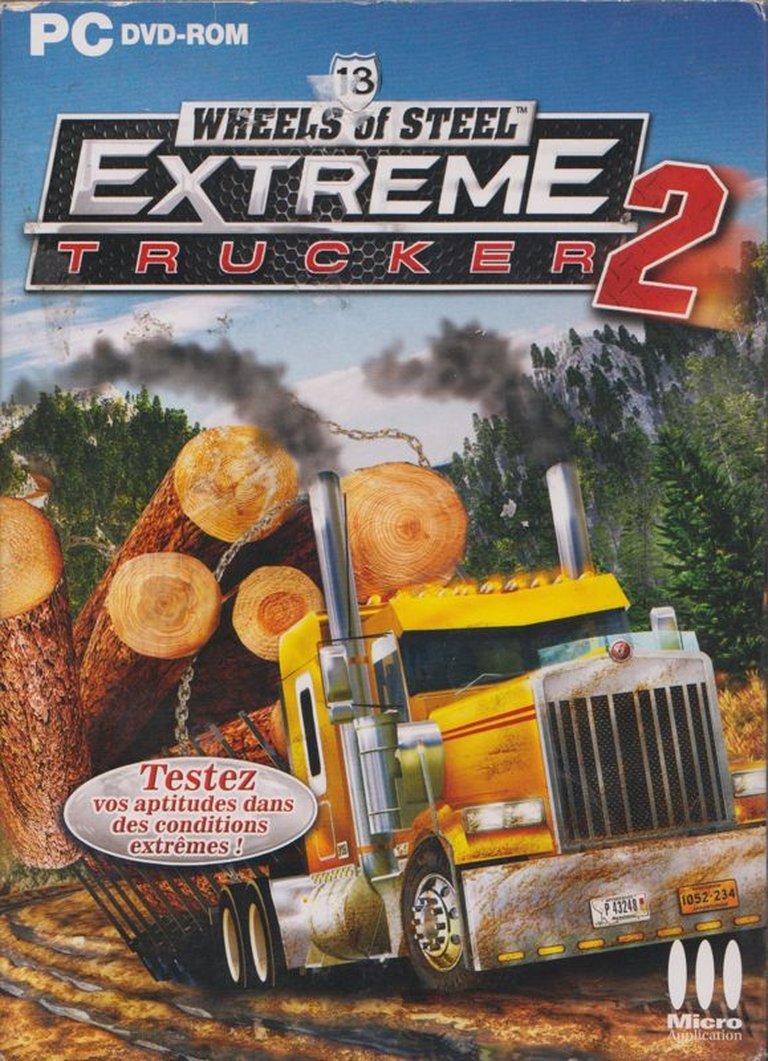
18 Wheels of Steel: Extreme Trucker 2 is a truck simulation game that expands on its predecessor by maintaining the core gameplay of delivering cargo through challenging environments. Players take on time-sensitive jobs across new scenarios in Montana and Bangladesh, alongside returning locations like Alaska, Australia, and the Andes Mountains. Success is measured by safe, punctual deliveries, which reward points used to unlock new regions. Key additions include mandatory fuel management via roadside gas stations and a navigational mini-map.
Gameplay Videos
Where to Buy 18 Wheels of Steel: Extreme Trucker 2
18 Wheels of Steel: Extreme Trucker 2 Cracks & Fixes
18 Wheels of Steel: Extreme Trucker 2 Patches & Updates
18 Wheels of Steel: Extreme Trucker 2 Guides & Walkthroughs
18 Wheels of Steel: Extreme Trucker 2 Reviews & Reception
metacritic.com (81/100): A triumphant return to form for the series.
gamepressure.com (78/100): Nostalgia Factor: Many players have fond memories of the game from their childhood, which adds a sentimental value.
steambase.io (78/100): 18 Wheels of Steel: Extreme Trucker 2 has earned a Player Score of 78 / 100.
18 Wheels of Steel: Extreme Trucker 2 Cheats & Codes
PC
Edit ‘config.cfg’ or ‘controls.def’ in ‘\my documents\18 WoS Extreme Trucker 2\’. Change ‘uset g_console “0”‘ and ‘uset g_developer “0”‘ to ‘uset g_console “1”‘ and ‘uset g_developer “1”‘. Press `~` during gameplay to open the console.
| Code | Effect |
|---|---|
| cheat heal | Restores the health of your truck and cargo (to be entered while driving if your rig gets damaged) |
| cheat jobs_max | Lists all available jobs for current driver level (to be entered during mission select screen) |
18 Wheels of Steel: Extreme Trucker 2: Review
In the pantheon of trucking simulations, 18 Wheels of Steel: Extreme Trucker 2 stands as a testament to the genre’s enduring appeal and the unique challenges it presents. Released in 2011 by SCS Software, this game is the eighth and final installment in the 18 Wheels of Steel series, marking the culmination of a decade-long journey into the world of long-haul trucking. This review will delve into the game’s development history, narrative depth, gameplay mechanics, world-building, reception, and legacy, providing a comprehensive analysis of its place in video game history.
Introduction
18 Wheels of Steel: Extreme Trucker 2 is an expanded version of its predecessor, 18 Wheels of Steel: Extreme Trucker, released in 2009. The game retains the core mechanics of its predecessor, focusing on delivering cargo from point A to point B under various challenging conditions. However, it introduces new scenarios, improved features, and a more refined experience. This review aims to explore the game’s strengths and weaknesses, providing an in-depth look at what makes Extreme Trucker 2 a notable entry in the trucking simulation genre.
Development History & Context
Studio and Creators’ Vision
SCS Software, a Czech game development studio, is responsible for the 18 Wheels of Steel series. Founded in 1997, SCS Software has a rich history of developing trucking and logistics simulations. The studio’s vision for Extreme Trucker 2 was to build upon the success of its predecessor while introducing new challenges and features to keep the gameplay fresh and engaging.
The creators’ vision for Extreme Trucker 2 was to push the boundaries of what a trucking simulation could offer. They aimed to create a game that would appeal to both casual and hardcore fans of the genre, providing a realistic and immersive experience that would test the players’ skills and patience.
Technological Constraints of the Era
Extreme Trucker 2 was developed during a time when the gaming industry was transitioning from 2D to 3D graphics. The game utilizes the Prism3D engine, which was state-of-the-art at the time but has since been surpassed by more advanced engines. Despite these constraints, SCS Software managed to create a visually impressive game that captured the essence of long-haul trucking.
The game’s physics engine, Open Dynamics Engine (ODE), was also a significant technological achievement. It allowed for realistic vehicle dynamics, making the driving experience more authentic and challenging. However, the engine’s limitations meant that the game’s physics were not as refined as those in modern trucking simulations.
Gaming Landscape at the Time of Its Release
In 2011, the gaming landscape was dominated by console games, with the PlayStation 3 and Xbox 360 being the most popular platforms. PC gaming was still a significant force, but it was overshadowed by the console market. Extreme Trucker 2 was released exclusively for Windows, catering to a niche audience of PC gamers who enjoyed simulation games.
The trucking simulation genre was not as popular as it is today, with only a few notable titles available. Euro Truck Simulator, another game by SCS Software, was one of the few competitors in the genre. Extreme Trucker 2 had to carve out its own niche, appealing to fans of the series and newcomers to the genre.
Narrative & Thematic Deep Dive
Plot and Characters
Extreme Trucker 2 does not have a traditional narrative or plot. Instead, it focuses on the day-to-day life of a long-haul trucker, delivering cargo across various challenging terrains. The game’s narrative is driven by the player’s actions and decisions, making it a unique and personalized experience.
The game features a variety of characters, including truck drivers, dispatchers, and customers. These characters are not fleshed out, serving primarily as background elements to enhance the game’s atmosphere. The lack of a traditional narrative or character development is a deliberate choice, reflecting the game’s focus on realism and immersion.
Dialogue
The dialogue in Extreme Trucker 2 is minimal and functional, serving to convey information and instructions. The game’s dialogue is not designed to be engaging or memorable, but rather to enhance the game’s realism and immersion. The lack of voice acting further emphasizes the game’s focus on realism, as it allows the player to immerse themselves in the game’s world without being distracted by artificial voices.
Themes
The game’s primary theme is the challenges and rewards of long-haul trucking. It explores the physical and mental demands of the job, as well as the sense of accomplishment that comes from successfully delivering cargo under difficult conditions. The game also touches on themes of perseverance, adaptability, and the importance of preparation and planning.
Gameplay Mechanics & Systems
Core Gameplay Loops
The core gameplay loop in Extreme Trucker 2 involves accepting jobs, delivering cargo, and earning points. Players start with a limited number of jobs and must complete them successfully to unlock new areas and vehicles. The game’s progression system is designed to keep players engaged and motivated, as they strive to unlock new challenges and rewards.
The game features a variety of job types, including standard deliveries, oversized loads, and high-risk cargo. Each job type presents its own unique challenges, requiring players to adapt their driving strategies and techniques. The game’s dynamic weather system further adds to the challenge, as players must contend with rain, snow, and fog while delivering their cargo.
Combat and Character Progression
Extreme Trucker 2 does not feature combat or character progression in the traditional sense. Instead, the game’s progression system is based on the player’s performance and the number of jobs completed. As players earn more points, they unlock new areas, vehicles, and job types, allowing them to take on more challenging tasks.
The game’s character progression is tied to the player’s truck, which can be customized and upgraded with new parts and accessories. Players can earn money by completing jobs and using it to purchase upgrades for their truck, improving its performance and handling. The game’s truck customization system is a significant aspect of its gameplay, allowing players to personalize their vehicles and tailor them to their preferred driving style.
UI and Innovative or Flawed Systems
The game’s user interface is functional but dated, reflecting the technological constraints of the era. The UI is designed to provide players with essential information, such as job details, map navigation, and truck status, without being overly intrusive or distracting. The game’s mini-map is a useful addition, allowing players to navigate the game’s world more easily.
However, the game’s UI has some flaws, such as the lack of a GPS system and the limited information provided about job locations and routes. These limitations can make the game more challenging, as players must rely on their memory and observation skills to navigate the game’s world.
World-Building, Art & Sound
Setting and Atmosphere
Extreme Trucker 2 features a diverse range of settings, including the icy roads of Alaska, the rugged terrain of Australia, the steep mountains of the Andes, the vast deserts of Montana, and the dense jungles of Bangladesh. Each setting presents its own unique challenges, requiring players to adapt their driving strategies and techniques.
The game’s atmosphere is immersive and realistic, capturing the essence of long-haul trucking. The game’s dynamic weather system, detailed vehicle models, and authentic sound effects all contribute to the game’s atmosphere, making it feel like a genuine trucking experience.
Visual Direction
The game’s visual direction is impressive, considering the technological constraints of the era. The game’s use of the Prism3D engine allows for detailed and realistic vehicle models, as well as a variety of environmental effects. The game’s graphics are not as polished as those in modern trucking simulations, but they are still impressive for a game released in 2011.
The game’s visual style is realistic and gritty, reflecting the harsh and unforgiving nature of long-haul trucking. The game’s use of color is muted and subdued, emphasizing the game’s focus on realism and immersion. The game’s visual direction is a significant aspect of its appeal, as it allows players to immerse themselves in the game’s world and experience the challenges of long-haul trucking firsthand.
Sound Design
The game’s sound design is authentic and immersive, featuring a variety of engine sounds, tire noises, and environmental effects. The game’s use of sound is a significant aspect of its atmosphere, as it allows players to feel like they are truly driving a truck through various challenging terrains.
The game’s soundtrack is minimal and unobtrusive, allowing the game’s sound effects to take center stage. The game’s use of sound is a significant aspect of its immersion, as it allows players to focus on the game’s challenges and rewards without being distracted by music.
Reception & Legacy
Critical and Commercial Reception at Launch
Extreme Trucker 2 received mixed reviews upon its release, with critics praising the game’s realism and immersion but criticizing its dated graphics and limited features. The game’s average critic score on Metacritic is 50, reflecting its mixed reception.
Commercially, the game was a modest success, selling over 580,000 units by 2011. The game’s sales were boosted by its inclusion in various bundles and promotions, as well as its availability on digital distribution platforms like Steam and GOG.com.
Evolution of Reputation
Over time, Extreme Trucker 2‘s reputation has evolved, with many players and critics re-evaluating the game’s strengths and weaknesses. The game’s focus on realism and immersion has aged well, as it continues to appeal to fans of the trucking simulation genre. However, the game’s dated graphics and limited features have become more apparent, as modern trucking simulations like Euro Truck Simulator 2 and American Truck Simulator have raised the bar for the genre.
Influence on Subsequent Games and the Industry
Extreme Trucker 2 has had a significant influence on subsequent trucking simulations, as well as the gaming industry as a whole. The game’s focus on realism and immersion has become a hallmark of the genre, with many modern trucking simulations aiming to capture the same sense of authenticity and challenge.
The game’s success has also paved the way for other trucking simulations, such as Euro Truck Simulator 2 and American Truck Simulator, which have built upon the foundation laid by Extreme Trucker 2. These games have expanded the genre’s appeal, attracting a wider audience and pushing the boundaries of what a trucking simulation can offer.
Conclusion
18 Wheels of Steel: Extreme Trucker 2 is a testament to the enduring appeal of trucking simulations and the unique challenges they present. Despite its dated graphics and limited features, the game’s focus on realism and immersion has aged well, making it a notable entry in the genre’s history. The game’s influence on subsequent trucking simulations and the gaming industry as a whole is undeniable, as it has paved the way for modern classics like Euro Truck Simulator 2 and American Truck Simulator.
In conclusion, 18 Wheels of Steel: Extreme Trucker 2 is a must-play for fans of the trucking simulation genre, as well as those interested in the history of video games. Its unique challenges, immersive atmosphere, and authentic driving experience make it a standout title in the genre, and a worthy addition to any gamer’s collection.