
- Release Year: 2023
- Platforms: Windows
- Publisher: Neosphere Interactive Studios Pvt. Ltd.
- Developer: Neosphere Interactive Studios Pvt. Ltd.
- Genre: Action
- Perspective: 1st-person
- Game Mode: Single-player
- Gameplay: Aviation, Flight, Helicopter, Naval, Vehicular combat, watercraft
- Setting: 1970s, Asia, Cold War, Historical events, Indian
- Average Score: 70/100
Description
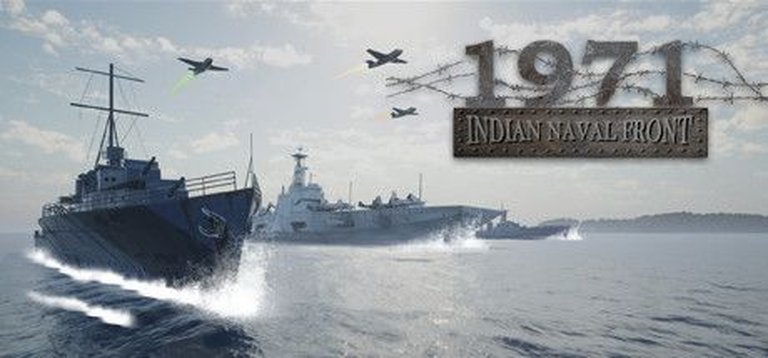
1971: Indian Naval Front is a third-person vehicular combat game set during the 1971 India-Pakistan war, focusing on the largest naval conflict since World War II. Players engage in missions based on real historical events, commanding a variety of naval units such as aircraft carriers, warships, jets, and helicopters. The game offers a mix of action, strategy, and historical storytelling, allowing players to relive one of the most unique naval battles in modern history.
Gameplay Videos
Where to Buy 1971: Indian Naval Front
PC
1971: Indian Naval Front Cracks & Fixes
1971: Indian Naval Front Patches & Updates
1971: Indian Naval Front Guides & Walkthroughs
1971: Indian Naval Front Reviews & Reception
steambase.io (72/100): This score is calculated from 69 total reviews which give it a rating of Mostly Positive.
store.steampowered.com (69/100): I think what I liked most about 1971: Indian Naval Front was the superb radio messages and background history of this conflict.
1971: Indian Naval Front: A Deep Dive into a Unique Naval Combat Experience
Introduction
1971: Indian Naval Front is a game that dares to tread where few have gone before—a third-person naval combat simulator set against the backdrop of the 1971 India-Pakistan War. Developed by Neosphere Interactive Studios, this title is not just a game but a tribute to the Indian Navy’s pivotal role in one of the most significant naval conflicts since World War II. With its blend of historical accuracy, vehicular combat, and a rarely explored setting, 1971: Indian Naval Front offers a fresh perspective in the often Western-centric landscape of war games. However, does it succeed in delivering a compelling experience, or does it falter under the weight of its ambitions? This review will dissect every facet of the game, from its development history to its reception, to determine its place in gaming history.
Development History & Context
The Studio Behind the Game
Neosphere Interactive Studios, a small indie studio based in India, is the creative force behind 1971: Indian Naval Front. Founded by passionate developers with a vision to bring lesser-known historical conflicts to the gaming world, Neosphere Interactive has positioned itself as a pioneer in exploring non-Western military narratives. The studio’s mission is clear: to create games that educate as much as they entertain, filling a gap in the market where games about South Asian conflicts are virtually non-existent.
The Vision and Challenges
The developers’ vision for 1971: Indian Naval Front was ambitious. They sought to create a game that would not only simulate naval and aerial combat but also serve as an educational tool, introducing players to the complexities of the 1971 war. The game was designed to be a tribute to the Indian Navy, featuring authentic naval units, missions based on real-world operations, and a narrative deeply rooted in historical events.
However, the road to release was not without its challenges. Developing a game with such a specific focus required extensive research, collaboration with historians, and access to archival materials. The studio also had to contend with the technical demands of creating a vehicular combat game, particularly one that involved naval and aerial mechanics. The use of Unreal Engine 5, while powerful, presented its own set of hurdles, especially for a small team working with limited resources.
The Gaming Landscape at Release
1971: Indian Naval Front was released on April 5, 2023, into a gaming landscape dominated by AAA titles and well-established franchises. The market for naval combat games is niche, with few recent entries that have gained significant traction. Games like World of Warships and Battlestations: Pacific have carved out their own spaces, but 1971: Indian Naval Front aimed to differentiate itself by focusing on a specific historical conflict and offering a more grounded, story-driven experience.
The game’s release was met with a mix of curiosity and skepticism. On one hand, its unique setting and historical focus generated interest among players looking for something different. On the other, its indie roots and the inherent challenges of simulating naval combat raised questions about its polish and depth.
Narrative & Thematic Deep Dive
The Historical Backdrop
The narrative of 1971: Indian Naval Front is deeply intertwined with the real-world events of the 1971 India-Pakistan War. The game begins by setting the stage: Pakistan, a nation divided into West and East Pakistan (modern-day Bangladesh), was plagued by political tensions and economic disparities. East Pakistan, treated as a colony by the West, faced increasing oppression, leading to civil unrest and genocide. The Indian government, faced with an influx of refugees, decided to intervene, culminating in a full-scale war.
The game’s story is told through a series of missions that mirror actual operations conducted by the Indian Navy. Players take on the role of a naval officer, participating in key events such as Operation Trident, the blockade of the Bay of Bengal, and the eventual liberation of Bangladesh. The narrative is not just about combat; it’s about the strategic and humanitarian aspects of the war, offering players a glimpse into the geopolitical complexities of the time.
Characters and Dialogue
While 1971: Indian Naval Front is not a character-driven narrative in the traditional sense, it does feature a cast of naval officers, pilots, and support personnel who guide the player through the missions. The dialogue is functional, serving primarily to convey mission objectives and historical context. However, the game’s strength lies in its authenticity—radio messages, briefings, and in-game communications are all rooted in real-world military procedures, adding a layer of immersion that is often lacking in similar titles.
Themes of War and Liberation
The game’s themes are heavy and thought-provoking. It explores the cost of war, the struggle for liberation, and the moral complexities of military intervention. Unlike many war games that glorify combat, 1971: Indian Naval Front takes a more nuanced approach, highlighting the humanitarian crisis that precipitated the conflict and the strategic necessity of India’s involvement. This thematic depth is one of the game’s strongest aspects, setting it apart from more superficial military simulators.
Gameplay Mechanics & Systems
Core Gameplay Loop
At its heart, 1971: Indian Naval Front is a vehicular combat game with a strong emphasis on naval and aerial warfare. The core gameplay loop involves completing missions that range from maritime interdiction operations to search and rescue missions. Players control a variety of naval units, including aircraft carriers, destroyers, frigates, and missile boats, each with its own unique weapons and capabilities.
The game offers a mix of third-person and first-person perspectives, allowing players to switch between commanding their vessel and engaging in direct combat. The missions are varied, with objectives that include attacking enemy ships, defending allied units, and conducting reconnaissance. The game also features a Morse code mini-game, which adds a layer of authenticity but can feel gimmicky at times.
Combat and Controls
Combat in 1971: Indian Naval Front is a mixed bag. The naval combat is serviceable, with players able to engage enemy vessels using a variety of weapons, including torpedoes, missiles, and naval cannons. The physics and damage models are decent, though not as refined as those in more established naval combat games. Aerial combat, on the other hand, is where the game struggles the most. The flight mechanics are clunky, and the controls for aircraft and helicopters are often unresponsive, leading to frustration during dogfights and reconnaissance missions.
The game supports both keyboard/mouse and gamepad controls, but neither feels entirely intuitive. The lack of joystick support at launch was a notable omission, especially for a game that emphasizes aerial combat. The developers have since acknowledged this issue and have plans to address it in future updates.
Character Progression and UI
1971: Indian Naval Front does not feature a traditional character progression system. Instead, players unlock new vessels and weapons as they progress through the campaign. The UI is functional but unremarkable, with a focus on providing essential information without overwhelming the player. However, the lack of a more robust progression system or customization options may leave some players wanting more.
Innovative and Flawed Systems
One of the game’s most innovative features is its Morse code mini-game, which requires players to decode messages to progress through certain missions. While this adds a unique layer of authenticity, it can also feel like a chore, especially for players who are not familiar with Morse code. The game’s attempt to blend education with gameplay is commendable, but the execution is uneven.
Another standout feature is the game’s historical accuracy. The developers have gone to great lengths to ensure that the vessels, weapons, and missions are faithful to their real-world counterparts. This attention to detail is impressive, but it also means that the game can feel rigid at times, with little room for creative gameplay.
World-Building, Art & Sound
Setting and Atmosphere
1971: Indian Naval Front is set in the Arabian Sea and the Bay of Bengal, with missions that take players from the bustling ports of Karachi to the open waters of the Indian Ocean. The game’s setting is one of its strongest aspects, offering a fresh and underrepresented backdrop for a war game. The atmosphere is tense and immersive, with the constant threat of enemy attacks and the weight of historical events hanging over every mission.
Visual Direction
The game’s visuals are a highlight, thanks in large part to the use of Unreal Engine 5. The naval units are meticulously detailed, and the water effects are particularly impressive, with realistic waves and reflections that add to the immersion. The environments, while not as varied as those in open-world games, are well-crafted and serve to enhance the game’s historical setting.
However, the game’s visuals are not without their issues. The character models and animations are somewhat stiff, and the game’s performance can be inconsistent, especially on lower-end systems. The lack of more dynamic lighting and weather effects also detracts from the overall presentation.
Sound Design
The sound design in 1971: Indian Naval Front is another strong point. The game features authentic radio communications, engine noises, and weapon sounds that contribute to the immersive experience. The voice acting, while not award-winning, is serviceable and helps to convey the game’s narrative. The soundtrack is understated but effective, with a mix of military marches and ambient tracks that complement the game’s setting.
Reception & Legacy
Critical and Commercial Reception
1971: Indian Naval Front received a mixed reception upon its release. Critics praised the game’s historical accuracy, unique setting, and ambitious scope, but many also noted its technical issues, clunky controls, and lack of polish. The game’s Steam reviews reflect this divide, with a 69% positive rating based on 55 user reviews. Players appreciated the game’s educational value and the novelty of its setting, but many were frustrated by its technical shortcomings.
Commercially, the game has had modest success, with estimated sales of around 1,000 units. While not a blockbuster, it has found a niche audience among history buffs and players looking for something different from the usual fare of war games.
Awards and Recognition
Despite its mixed reception, 1971: Indian Naval Front has garnered some recognition within the gaming industry. It won the PC/Console Game of the Year award at the India Game Developer Conference (IGDC) in 2023 and was nominated for Best Visual Art and Best Gameplay awards. These accolades highlight the game’s potential and the developers’ ambition, even if the final product fell short of expectations.
Influence and Future Prospects
1971: Indian Naval Front is unlikely to have a significant influence on the broader gaming industry, but it does represent an important step forward for indie developers in India. The game’s focus on a non-Western conflict and its educational approach could inspire other developers to explore similar themes. The developers have also expressed plans to add multiplayer modes and additional content, which could help to address some of the game’s current shortcomings.
Conclusion
1971: Indian Naval Front is a flawed but ambitious game that deserves recognition for its unique setting and historical focus. While it struggles with technical issues and clunky controls, its attention to detail and educational value make it a standout title in the naval combat genre. The game’s reception has been mixed, but its potential is undeniable, and with future updates, it could evolve into a more polished and compelling experience.
Final Verdict: 1971: Indian Naval Front is a niche title that will appeal to history enthusiasts and players looking for something different. While it may not be a masterpiece, it is a commendable effort that highlights the importance of exploring underrepresented narratives in gaming. For those willing to overlook its flaws, it offers a unique and educational experience that is well worth the time.
Score: 7/10 – A promising but imperfect tribute to a pivotal moment in history.