
- Release Year: 2018
- Platforms: Windows
- Publisher: Unknown
- Developer: Unknown
- Genre: Action
- Perspective: 1st-person
- Game Mode: Single-player
- Gameplay: Vehicular
- Setting: Fantasy, Futuristic, Sci-fi
Description
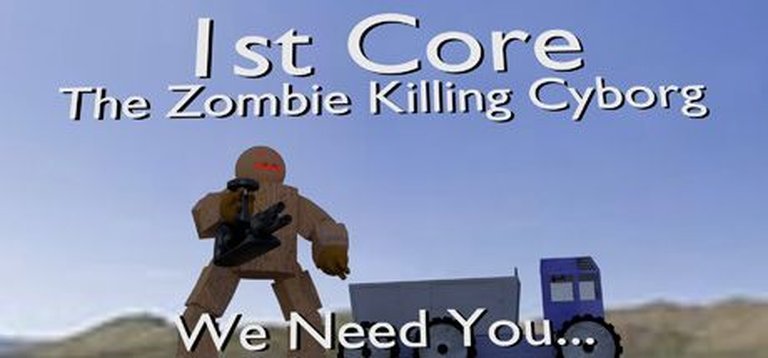
In the year 2035, ‘1st Core: The Zombie Killing Cyborg’ places you in the role of a garbage collector who is transformed into a powerful cyborg to combat a zombie plague. Starting as a weak human, you must gather garbage, recycle it for gold, and upgrade your weapons and cyborg abilities to fight increasingly dangerous zombies. The game offers a mix of first-person action and vehicle control, set in a futuristic, sci-fi world.
Where to Buy 1st Core: The Zombie Killing Cyborg
PC
1st Core: The Zombie Killing Cyborg Guides & Walkthroughs
1st Core: The Zombie Killing Cyborg Cheats & Codes
PC
Enter the cheat code in-game.
| Code | Effect |
|---|---|
| Use the Cheat Code…. | Triggers the ‘Cheater’ achievement |
1st Core: The Zombie Killing Cyborg: Review
Introduction
In the crowded graveyard of zombie-themed shooters, 1st Core: The Zombie Killing Cyborg stands out as a bizarre yet endearing tombstone. Developed by solo indie creator J. C. SpringBourne and Jesper Skjærbæk, this 2018 title embraces its粗糙 edges with a blend of self-aware humor, recycling-themed survival mechanics, and a premise so ludicrous it loops back into genius. Is it a misunderstood gem or a glorified tech demo? This review excavates its quirks, ambitions, and legacy as a passion project born from a bathroom-turned-studio.
Development History & Context
A Garage-Band Approach to Game Development
1st Core was crafted in just two months using Unity, born from SpringBourne’s side hustle teaching kids 3D graphics and programming. The developer’s candid admission that the game’s early environments were modeled in his “old bathroom” (later cleaned) speaks to its DIY ethos. Released on Steam in June 2018, it entered a market saturated with polished zombie shooters, yet its janky charm and absurdist pitch—garbage collectors piloting cyborgs to fend off mutant trash zombies—carved a niche.
Technological Constraints
Built for minimal specs (Windows 8, 4 GHz processor, 1GB RAM), 1st Core prioritized accessibility over polish. Its crude textures and rudimentary animations reflect the limitations of a solo developer, but also lend it a distinct, almost nostalgic, early-2000s indie aesthetic. The inclusion of split-screen co-op—a rarity in modern indie titles—hints at SpringBourne’s ambition to recreate couch-play nostalgia despite technical hurdles.
Narrative & Thematic Deep Dive
Plot: From Trash to Triumph
Set in 2035, players assume the role of a nameless garbage collector thrust into a cybernetic war against zombies born from mutated trash bugs. The narrative oscillates between deadpan satire and earnest heroism: your character’s mentor quips, “You’re not completely useless… You can always serve as a bad example,” while the arc of buying increasingly overpowered cyborg bodies channels underdog fantasy.
Themes: Recycling as Revolution
Beneath the campy dialogue lies a surprisingly earnest eco-commentary. Recycling garbage funds your upgrades, tying progression to environmental stewardship. The villains—zombies spawned from humanity’s neglect of waste—serve as literal manifestations of ecological decay. It’s a thematic twist that elevates the game beyond its B-movie trappings.
Gameplay Mechanics & Systems
Core Loop: Trashonomics
The gameplay hinges on a risk-reward economy:
– Garbage Collection: Scavenge trash piles as a vulnerable human for recycling credits.
– Cyborg Progression: Spend earnings on three cyborg tiers, each with unique speed/strength trade-offs.
– Combat: Wield five weapons, from a rusty pipe to a mini-gun, with physics-driven mechanics favoring strategic distancing (the mini-gun “mows down zombies by the thousands” but falters up close).
Flaws & Quirks
- Janky Balance: Early-game human segments feel punishingly slow, while late-game cyborgs trivialize enemies.
- Bugs & Progression Hurdles: Players reported broken achievements (e.g., “Recycle the Wrong Item”) and progression bugs in later levels, such as exits failing to trigger.
- Split-Screen Salvage: Local co-op adds replayability but suffers from framerate drops.
World-Building, Art & Sound
Aesthetic: Bathroom Chic
The game’s visuals are a mix of low-poly models and garish lighting, with environments resembling hastily assembled dioramas. Mega Cities are implied through fog and shadow, relying on imagination to fill budgetary gaps. Weapon designs, particularly the cyborgs, gleam with a toy-like plasticky sheen—unintentionally reinforcing the theme of disposable consumerism.
Sound Design: Ambience on a Budget
Gunfire and zombie groans are serviceable but unremarkable. The lack of a dynamic soundtrack amplifies the bleakness of trash-strewn streets, though occasional glitches (like looping audio) disrupt immersion.
Reception & Legacy
Critical Response
With only 10 Steam reviews (80% positive), 1st Core flew under the radar. Fans praised its “so-bad-it’s-good” humor and inventive recycling mechanics, while critics lambasted its粗糙 execution. A Steam forum post captures the divide: “Is this just a test to see what Steam allows through the filters nowadays?”
Industry Influence
While not a commercial hit, 1st Core exemplifies indie resilience. Its recycling-as-progression system predates AAA trends like Death Stranding’s resource logistics, and its earnest eco-messaging resonates in an era of climate-conscious storytelling.
Conclusion
1st Core: The Zombie Killing Cyborg is a paradoxical artifact—a game that’s both deeply flawed and oddly captivating. Its粗糙 edges and tonal whiplash will deter mainstream players, but beneath the jank lies a heartfelt, satirical ode to environmentalism and underdog heroism. For indie archaeologists and zombie-completionists, it’s a cult classic in the making. For everyone else? A curiosity best enjoyed with friends, a sense of humor, and tempered expectations.
Final Verdict: A diamond in the rough—if you’re willing to sift through the trash.