
- Release Year: 2022
- Platforms: Windows
- Publisher: SEKS
- Developer: SEKS
- Genre: Action
- Perspective: 1st-person
- Gameplay: Puzzle elements
Description
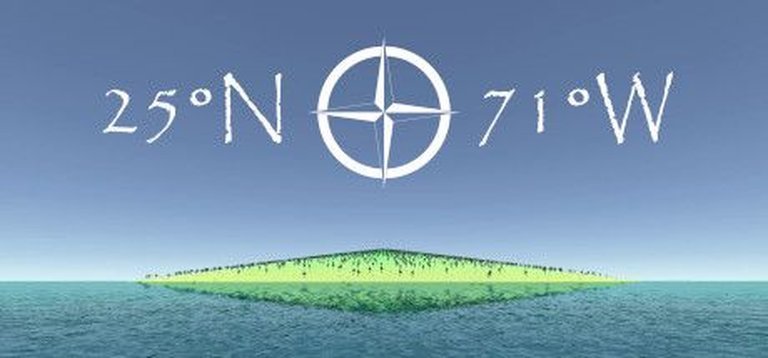
In 25°N 71°W, players are cast as the lone survivor of a plane crash in the Bermuda Triangle during 2023, stranded on a desert island. This survival game challenges players to mine resources like trees, grass, bats, and fish to craft tools and build shelters while managing essential needs such as sleep, food, and drink. With character customization options for appearance, players must navigate the island’s challenges to endure and forge their own survival story.
Where to Buy 25°N 71°W
25°N 71°W Patches & Updates
25°N 71°W Guides & Walkthroughs
25°N 71°W: A Forgotten Gem of Survival Gaming
Introduction
In the vast landscape of survival games, 25°N 71°W stands as a unique and often overlooked title that blends the tension of being stranded with the freedom of open-world exploration. Released in 2022 by the indie studio SE {} KS, this game thrusts players into the heart of the Bermuda Triangle, where they must survive against the elements, wildlife, and their own dwindling resources. At its core, 25°N 71°W is a testament to the resilience of the human spirit, wrapped in a package of survival mechanics and atmospheric storytelling. This review will delve into the game’s development history, narrative depth, gameplay mechanics, and its lasting impact on the survival genre.
Development History & Context
25°N 71°W was developed by SE {} KS, a relatively obscure studio that has contributed to the indie gaming scene with a focus on survival and adventure titles. The game’s release in May 2022 coincided with a surge in popularity for survival games, a genre that had been growing steadily since the success of titles like The Forest and Subnautica. The game’s setting in the Bermuda Triangle, a location steeped in myth and mystery, added an intriguing layer of intrigue that set it apart from other survival games of the time.
The technological constraints of the era were minimal, as the game was developed for modern PCs, allowing for a relatively smooth experience with basic hardware requirements. The gaming landscape in 2022 was dominated by AAA titles like Elden Ring and God of War Ragnarok, but indie developers like SE {} KS found success by catering to niche audiences with unique concepts and immersive experiences.
Narrative & Thematic Deep Dive
The narrative of 25°N 71°W is deceptively simple: a plane crashes in the Bermuda Triangle, and the player is the sole survivor, stranded on a deserted island. However, the game’s true depth lies in its exploration of themes such as isolation, survival, and the human will to endure. The absence of a traditional story with cutscenes or dialogue allows players to project their own experiences onto the character, creating a deeply personal journey.
The island itself serves as a character, with its lush landscapes and hidden dangers. The game’s puzzles and resource management mechanics are intertwined with the narrative, as players must uncover the island’s secrets to survive. The game’s multiple endings add a layer of replayability, encouraging players to explore different paths and outcomes.
Gameplay Mechanics & Systems
25°N 71°W is a first-person survival game that emphasizes mining, crafting, and building. Players must gather resources such as trees, grass, bats, and fish to craft tools and build a camp. The game’s survival mechanics are robust, with players needing to manage hunger, thirst, and sleep to keep their character alive.
The combat system is relatively simple, focusing on melee weapons and traps to defend against wildlife. The game’s puzzle elements are integrated into the exploration and resource gathering, requiring players to think creatively to overcome obstacles. The user interface is straightforward, with a minimalistic design that keeps the focus on the game’s immersive world.
One of the game’s standout features is its character customization. Players can customize their character’s sex, style, hair, eyes, skin, and clothing, adding a personal touch to the survival experience. This customization extends to the game’s multiple endings, which are influenced by the player’s choices and actions throughout the game.
World-Building, Art & Sound
The world of 25°N 71°W is a tropical paradise with a dark underbelly. The island is filled with lush vegetation, hidden caves, and dangerous wildlife. The art direction is realistic, with detailed textures and a color palette that shifts from vibrant greens and blues to ominous grays and blacks as the player delves deeper into the island’s mysteries.
The sound design is equally impressive, with ambient sounds that create a sense of isolation and tension. The soundtrack is minimalistic, using subtle melodies to enhance the game’s atmosphere without overpowering it. The sound of waves crashing, birds chirping, and distant thunderstorms all contribute to the game’s immersive experience.
Reception & Legacy
25°N 71°W received mixed reviews upon its release, with critics praising its atmospheric world and survival mechanics but criticizing its lack of polish and repetitive gameplay. The game’s low profile and lack of marketing contributed to its relative obscurity, but it has since gained a cult following among survival game enthusiasts.
The game’s legacy lies in its influence on the survival genre, particularly in its use of environmental storytelling and player-driven narratives. While it may not have achieved the commercial success of its contemporaries, 25°N 71°W remains a testament to the power of indie development and the enduring appeal of survival games.
Conclusion
25°N 71°W is a hidden gem in the survival genre, offering a unique blend of exploration, resource management, and atmospheric storytelling. While it may not be as polished or widely recognized as other survival games, its immersive world and thoughtful design make it a worthwhile experience for fans of the genre. As the survival genre continues to evolve, 25°N 71°W stands as a reminder of the creativity and innovation that can be found in indie development. Its place in video game history may be modest, but its impact on the survival genre is undeniable.