
- Release Year: 2013
- Platforms: Windows
- Publisher: Fruitbat Factory, Inc.
- Developer: TORaIKI
- Genre: Role-playing, RPG
- Perspective: Diagonal-down
- Game Mode: Single-player
- Gameplay: Gem system, Puzzle elements, Turn-based
- Setting: Folklore, Medieval Japan
- Average Score: 67/100
Description
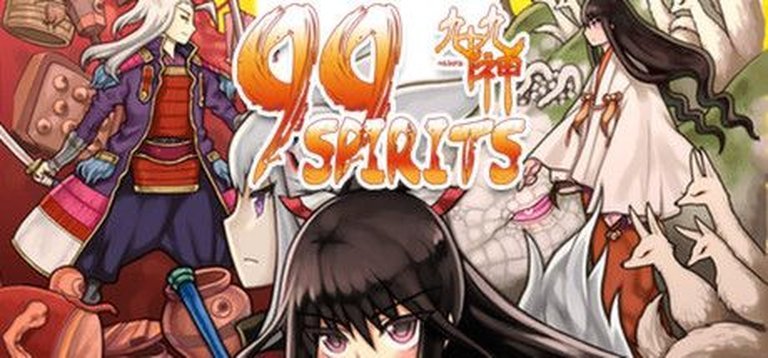
99 Spirits is a puzzle-driven Japanese RPG set in medieval Japan’s Heian capital, where players follow Hanabusa’s quest for vengeance after her mother is slain by Tsukumogami – spirits born from everyday objects on their 100th birthday. Armed with the broken Gokon sword, players navigate grid-based environments, solve puzzles, and engage in turn-based battles featuring quick-time events and a unique spirit-naming mechanic to capture foes. The game offers multiple endings based on player choices, with over 100 monsters to encounter and spirit abilities used to overcome environmental challenges.
Where to Buy 99 Spirits
99 Spirits Patches & Updates
99 Spirits Guides & Walkthroughs
99 Spirits Reviews & Reception
metacritic.com (74/100): Puzzle‑style battles are fun and interesting, letting you forgive the less engaging parts of the game.
99 Spirits: Review
In the pantheon of Japanese RPGs, few titles stand out as uniquely as 99 Spirits. Developed by the indie studio TORaIKI and published by Fruitbat Factory, this game is a mesmerizing blend of traditional role-playing elements and innovative puzzle mechanics. Set against the backdrop of medieval Japan, 99 Spirits weaves a tale of vengeance, mystery, and the supernatural, all while challenging players with its unconventional gameplay. This review will delve into the game’s development history, narrative depth, gameplay mechanics, world-building, and its enduring legacy.
Development History & Context
99 Spirits was born out of the creative minds at TORaIKI, a Japanese indie developer known for their unique approach to game design. The game’s development began in earnest in 2012, with a successful crowdfunding campaign on Indiegogo that allowed the team to secure the necessary funds for localization and distribution. The game was initially released in Japan in July 2012, followed by an English localization in May 2013. This strategic move allowed 99 Spirits to tap into both the Japanese and Western markets, broadening its appeal and reach.
The technological constraints of the era were significant, but TORaIKI managed to work within them, utilizing the KiriKiri/KAG game engine to bring their vision to life. The game’s art style, heavily influenced by anime and manga, was meticulously crafted to capture the essence of Heian-era Japan. The sound design, too, was a labor of love, with a soundtrack that seamlessly blends traditional Japanese instruments with modern electronic beats.
The gaming landscape in 2013 was dominated by big-budget titles and established franchises. 99 Spirits, with its indie roots and unconventional mechanics, stood out as a breath of fresh air. It offered players something different, a game that challenged their problem-solving skills as much as their combat prowess.
Narrative & Thematic Deep Dive
Plot
The story of 99 Spirits revolves around Hanabusa, a young girl living in the Heian capital of medieval Japan. Her life takes a tragic turn when her mother, Oyatsu, a shrine maiden, is slain by evil spirits known as Tsukumogami. Driven by a desire for vengeance, Hanabusa embarks on a quest to destroy these spirits and uncover the truth behind her mother’s death.
The narrative is rich with Japanese folklore and mythology, drawing heavily from the legend of Tsukumogami—everyday objects that come to life on their 100th birthday. This folklore serves as the game’s primary antagonist, with Hanabusa’s journey taking her through various regions of feudal Japan, each teeming with these malevolent spirits.
Characters
Hanabusa is the game’s protagonist, a headstrong and determined young girl who is both skilled with a sword and deeply empathetic. Her journey is fraught with danger, but her unwavering resolve and growing understanding of the Tsukumogami make her a compelling heroine.
Supporting characters include Komiya, a flamboyant white fox who serves as Hanabusa’s guide and mentor. His humorous dialogue and flirtatious demeanor provide a much-needed comedic relief in an otherwise dark and serious narrative. Other notable characters include various Tsukumogami, each with its unique abilities and backstories, adding depth and complexity to the game’s world.
Dialogue
The dialogue in 99 Spirits is a standout feature, with clever writing and excellent localization. The characters’ conversations are engaging and often humorous, with Komiya’s flirtatious banter being a particular highlight. The game’s use of dual audio, allowing players to switch between English and Japanese voice acting, is a testament to its commitment to accessibility and immersion.
Themes
The game explores several themes, including vengeance, redemption, and the struggle between tradition and modernity. Hanabusa’s journey is one of self-discovery and growth, as she learns to understand and ultimately control the Tsukumogami. The game’s exploration of Japanese folklore and mythology adds a layer of cultural depth, making it a rich and rewarding experience for players.
Gameplay Mechanics & Systems
Core Gameplay Loop
99 Spirits combines traditional RPG elements with innovative puzzle mechanics, creating a unique and engaging gameplay experience. The game is played from a diagonal-down perspective, with Hanabusa navigating a grid-based overworld. This grid is filled with events, items, and battles, each contributing to the game’s overall progression.
The combat system is where 99 Spirits truly shines. Battles are turn-based, with players attacking and defending in a first-person view. However, the game introduces a gem system that adds a layer of strategy and complexity. Players must charge gems embedded in Hanabusa’s sword by attacking and defending, with each gem revealing clues about the enemy’s identity.
Combat
The combat in 99 Spirits is a blend of traditional RPG mechanics and puzzle-solving. Players must first identify the enemy’s true form by revealing clues through the gem system. Once identified, players can defeat or capture the enemy, adding their abilities to Hanabusa’s arsenal.
The gem system is the game’s most innovative feature, with each gem providing different abilities and clues. The first gem, Soul Split, reveals parts of the enemy’s identity, while the second gem, Soul Blind, allows players to input the enemy’s name to force it to reveal itself. Additional gems provide more advanced abilities, such as capturing enemies and using their skills in battle.
Character Progression
Character progression in 99 Spirits is tied to the capture and use of Tsukumogami. Players can capture enemies and use their abilities to solve puzzles and defeat other spirits. This system encourages players to experiment with different strategies and combinations, adding depth and replayability to the game.
The game also features a hunger meter and inventory system, with players needing to manage their resources carefully to survive. This adds a layer of realism and challenge, forcing players to plan their actions and manage their supplies effectively.
UI
The user interface in 99 Spirits is clean and intuitive, with all necessary information displayed clearly on the screen. The gem system is particularly well-designed, with each gem’s abilities and clues displayed in a user-friendly manner. The inventory and hunger meter are also easy to manage, with players able to access and use items with minimal fuss.
World-Building, Art & Sound
Setting
The game’s setting is medieval Japan, specifically the Heian period. This era is known for its rich cultural heritage and folklore, providing a perfect backdrop for 99 Spirits. The game’s world is filled with detailed environments, each teeming with Tsukumogami and other supernatural threats.
The overworld is grid-based, with players navigating through various regions, each with its unique challenges and puzzles. This design choice adds a layer of strategy and planning, with players needing to map out their routes and manage their resources carefully.
Atmosphere
The atmosphere in 99 Spirits is dark and foreboding, with a sense of mystery and danger permeating every corner of the game’s world. The use of Japanese folklore and mythology adds a layer of cultural depth, making the game’s world feel authentic and immersive.
The game’s art style is heavily influenced by anime and manga, with detailed character designs and environments. This style is perfectly suited to the game’s setting and narrative, with the hand-drawn aesthetic capturing the essence of feudal Japan.
Visual Direction
The visual direction in 99 Spirits is a highlight of the game. The use of a grid-based overworld is an innovative design choice, with the game’s environments filled with detail and atmosphere. The character designs are particularly impressive, with each Tsukumogami having its unique appearance and abilities.
The game’s use of a first-person perspective during battles is another standout feature, with the combat system requiring players to pay close attention to their surroundings and the enemy’s movements. This design choice adds a layer of immersion and challenge, making the battles in 99 Spirits some of the most engaging in the genre.
Sound Design
The sound design in 99 Spirits is exceptional, with a soundtrack that perfectly complements the game’s atmosphere and narrative. The use of traditional Japanese instruments, combined with modern electronic beats, creates a unique and memorable audio experience.
The voice acting is also a highlight, with both the English and Japanese versions featuring talented performers. The dialogue is clever and engaging, with Komiya’s flirtatious banter being a particular standout. The game’s sound effects are also well-designed, with each action and event accompanied by a satisfying audio cue.
Reception & Legacy
Critical Reception
Upon its release, 99 Spirits received a mixed but generally positive reception. Critics praised the game’s innovative gameplay mechanics, rich narrative, and impressive art and sound design. However, some criticized the game’s repetitive level design and the hunger meter, which was seen as an unnecessary and forced addition.
The game’s average critic score was 70%, with reviews highlighting its strengths and weaknesses. RPGFan gave the game a score of 74%, praising its unique battle system and engaging narrative. Digitally Downloaded, on the other hand, gave the game a score of 60%, criticizing its repetitive gameplay and shallow combat.
Commercial Reception
Commercially, 99 Spirits was a modest success. The game’s crowdfunding campaign was successful, allowing TORaIKI to secure the necessary funds for localization and distribution. The game was released on Steam, with a full localization for both English and Japanese. The game’s Steam version also included the original Japanese version, Tsukumogami, as a separate game in the library.
The game’s commercial success was bolstered by its inclusion in various bundles and promotions, with players able to purchase the game at a discounted price. The game’s Steam version also included additional content, such as the Cage of Night and Weeping Demon’s Bell DLCs, which added new side-stories and gameplay mechanics.
Influence
99 Spirits has had a lasting influence on the RPG genre, with its innovative gameplay mechanics and rich narrative setting a new standard for the genre. The game’s use of Japanese folklore and mythology has inspired other developers to explore similar themes and settings, with several games drawing inspiration from 99 Spirits.
The game’s legacy can also be seen in its influence on subsequent titles, with several games featuring similar puzzle-based combat systems and grid-based overworlds. The game’s success has also paved the way for other indie developers, demonstrating the potential of small-scale, innovative projects in the gaming industry.
Conclusion
99 Spirits is a unique and engaging RPG that stands out in the crowded genre. Its innovative gameplay mechanics, rich narrative, and impressive art and sound design make it a must-play for fans of the genre. The game’s use of Japanese folklore and mythology adds a layer of cultural depth, making it a rewarding experience for players.
Despite its flaws, such as repetitive level design and the hunger meter, 99 Spirits remains a standout title in the RPG genre. Its legacy can be seen in its influence on subsequent titles and the gaming industry as a whole. For those looking for something different in their RPGs, 99 Spirits is a game that should not be missed. Its unique blend of traditional RPG elements and innovative puzzle mechanics makes it a game that will be remembered for years to come.