
- Release Year: 2012
- Platforms: Windows
- Publisher: Lo-Fai – DIY Games
- Developer: Lo-Fai – DIY Games
- Genre: Adventure
- Perspective: 3rd-person
- Game Mode: Single-player
- Gameplay: Puzzle
- Setting: Breton village, Britain, France
Description
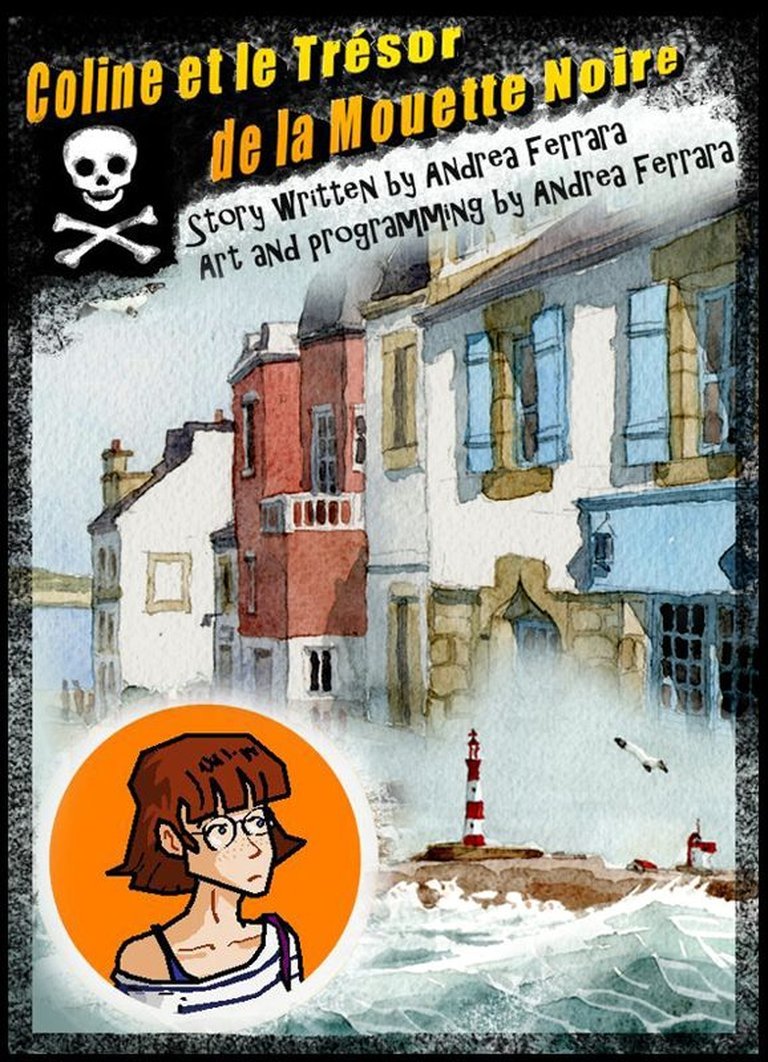
Coline et le Trésor de la mouette noire is a point-and-click adventure game entirely in Italian, set in the French town of Douarnenez. The young archaeologist Coline Morel returns home to find her missing uncle Aubert, solve the mystery of the Black Seagull’s treasure, and navigate a village filled with eccentric characters. Players interact with the environment using a simple第三人称视角interface, solving puzzles, collecting clues, and uncovering secrets in this atmospheric Breton mystery.
Coline et le Trésor de la Mouette Noire: A Hidden Gem of Indie Adventure Gaming
Introduction
In the sprawling landscape of indie adventure games, few titles manage to capture the essence of classic point-and-click storytelling while infusing it with a unique, atmospheric charm. Coline et le Trésor de la Mouette Noire (2012), developed by Lo-Fai – DIY Games, is one such title. This game, entirely in Italian, transports players to the picturesque yet enigmatic town of Douarnenez in Brittany, where archaeologist Coline Morel must unravel the mystery of her missing uncle and the lost treasure of the pirate ship La Mouette Noire. With its rich narrative, intricate puzzles, and a world brimming with eccentric characters, Coline et le Trésor stands as a testament to the enduring appeal of traditional adventure games. This review will delve into the game’s development history, narrative depth, gameplay mechanics, and its lasting legacy in the indie gaming scene.
Development History & Context
The Studio and Its Vision
Coline et le Trésor de la Mouette Noire was developed by Lo-Fai – DIY Games, a small indie studio that embraced the DIY ethos of game development. The game was a labor of love, crafted over six months by a single developer, AprilSkies, who initially intended it for personal enjoyment before deciding to share it with a broader audience. This grassroots approach is evident in the game’s design, which balances ambition with the constraints of limited resources.
Technological Constraints and the Gaming Landscape
Released in 2012, Coline et le Trésor arrived during a renaissance of indie adventure games, a period marked by the resurgence of point-and-click adventures thanks to digital distribution platforms like Steam and indie game festivals. The game’s development was likely influenced by classic adventure titles such as Monkey Island and Broken Sword, but it also reflects the technological limitations of the era. The game runs at a resolution of 800×600, a modest specification by today’s standards, but one that allowed for a clean, pixel-art aesthetic that harks back to the golden age of 2D adventures.
The game’s interface is notably user-friendly, with a drag-and-drop inventory system and highlighted interactive objects, making it accessible to both veteran adventure gamers and newcomers. This simplicity belies the complexity of the puzzles and the depth of the world-building, which were achieved despite the constraints of the development tools available at the time.
Narrative & Thematic Deep Dive
Plot and Characters
The narrative of Coline et le Trésor is a compelling blend of mystery, history, and personal drama. Coline Morel, a young archaeologist, returns to her hometown of Douarnenez after nearly 15 years to investigate the disappearance of her uncle, Aubert. The town, known for its sardine industry and quirky inhabitants, becomes the backdrop for a tale of hidden treasures, pirate legends, and dangerous criminals. The plot unfolds through interactions with a cast of eccentric characters, each with their own secrets and motivations.
Coline herself is a relatable protagonist, driven by a mix of familial duty and intellectual curiosity. Her uncle Aubert, though absent for much of the game, looms large as a figure of wisdom and mystery. The supporting cast includes a variety of townsfolk, from the friendly to the sinister, each contributing to the game’s rich tapestry of intrigue.
Themes and Dialogue
The game explores themes of nostalgia, the weight of the past, and the allure of hidden knowledge. The dialogue is written in Italian, adding an authentic touch to the Breton setting. The conversations are often witty and revealing, offering glimpses into the lives of the townspeople and hinting at the deeper mysteries that Coline must uncover.
One of the standout aspects of the narrative is its pacing. While the first few chapters are somewhat slow, the plot picks up momentum as Coline delves deeper into the mystery. The game’s pacing is a deliberate choice, allowing players to immerse themselves in the world and its inhabitants before the action intensifies.
Gameplay Mechanics & Systems
Core Gameplay Loops
Coline et le Trésor is a traditional point-and-click adventure game, with gameplay centered around exploration, puzzle-solving, and interaction with the environment. Players navigate through various locations in Douarnenez, collecting items, solving puzzles, and engaging in dialogue with non-player characters (NPCs).
The game’s inventory system is intuitive, allowing players to combine items and use them in creative ways. The puzzles range from straightforward object combinations to more complex logic-based challenges, ensuring that players are constantly engaged and thinking critically.
Combat and Character Progression
Unlike many modern adventure games, Coline et le Trésor does not feature combat. Instead, the focus is on exploration and puzzle-solving. Coline’s progression is tied to her ability to uncover clues and solve puzzles, gradually piecing together the mystery of her uncle’s disappearance and the lost treasure.
UI and Innovative Systems
The user interface is clean and functional, with a map system that helps players navigate the expansive world. The game also features a save system, allowing players to pick up where they left off. One of the game’s innovative features is its use of environmental storytelling, where the world itself provides clues and hints, encouraging players to pay close attention to their surroundings.
World-Building, Art & Sound
Setting and Atmosphere
Douarnenez is brought to life with a mix of detailed pixel art and evocative sound design. The town is a character in its own right, with its narrow streets, bustling markets, and hidden alleys. The atmosphere is one of quiet mystery, enhanced by the game’s use of ambient sounds and a hauntingly beautiful soundtrack.
Visual Direction
The art style is reminiscent of classic adventure games, with a focus on clear, detailed sprites and backgrounds. The character designs are expressive, and the animations are smooth, adding a layer of polish to the game’s presentation. The use of color is particularly noteworthy, with a palette that evokes the coastal beauty of Brittany.
Sound Design
The soundtrack, featuring tracks like “Pirate’s Gospel” by Alela Diane, complements the game’s atmosphere perfectly. The music is subtle yet evocative, enhancing the sense of mystery and adventure. Sound effects are used sparingly but effectively, from the rustling of papers to the creaking of old doors, all contributing to the immersive experience.
Reception & Legacy
Critical and Commercial Reception
Coline et le Trésor de la Mouette Noire received mixed reviews upon its release. While some critics praised its ambitious scope and atmospheric world-building, others found fault with its pacing and occasional technical issues. The game’s lack of widespread marketing and its niche appeal likely contributed to its limited commercial success.
However, the game found a dedicated following among adventure game enthusiasts, who appreciated its unique blend of classic and modern elements. The game’s free distribution also helped it reach a broader audience, fostering a community of players who enjoyed its intricate puzzles and rich narrative.
Influence on Subsequent Games
The game’s influence can be seen in subsequent indie adventure titles that prioritize narrative depth and atmospheric world-building over flashy graphics or action-packed gameplay. AprilSkies, the developer, went on to work on other projects, including Donald Dowell and the Ghost of Barker Manor and Tales, further refining their craft and expanding their creative vision.
Conclusion
Coline et le Trésor de la Mouette Noire is a hidden gem in the world of indie adventure games. Its rich narrative, intricate puzzles, and atmospheric world-building make it a standout title in a genre often dominated by bigger-budget productions. While it may not have achieved widespread acclaim, its legacy lies in its ability to capture the essence of classic adventure games while offering a unique and engaging experience.
For fans of point-and-click adventures, Coline et le Trésor is a must-play, offering a journey through a world that is as enchanting as it is mysterious. Its place in video game history is secured not by commercial success, but by the passion and creativity of its development, and the enduring appeal of its story.