
- Release Year: 2020
- Platforms: Linux, Windows
- Genre: Action
- Perspective: 1st-person
- Game Mode: Single-player
- Gameplay: Hack and Slash
- Setting: Fantasy, Medieval
Description
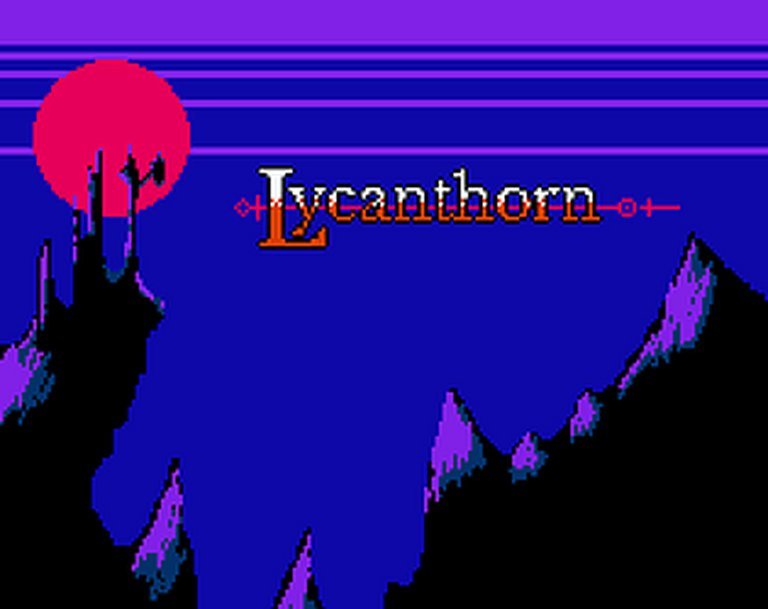
Lycanthorn is a Retraux first-person shooter set in a dark fantasy medieval world where players take on the role of Rain, a vampire hunter with werewolf blood. Tasked with eradicating the undead menace unleashed by the vampiric Countess Carmilla, players explore the monster-infested island of Morvania, battling through eight levels of classic hack-and-slash gameplay inspired by the early Castlevania games.
Gameplay Videos
Where to Buy Lycanthorn
PC
Lycanthorn Patches & Updates
Lycanthorn Mods
Lycanthorn Guides & Walkthroughs
Lycanthorn Reviews & Reception
steamcommunity.com : Login to view reviews
scumhead.itch.io : holy moly this looks beautiful
Lycanthorn: A Retro-Futuristic Masterpiece of Vampire Hunting
Introduction
In the crowded landscape of indie horror games, Lycanthorn stands out as a beacon of retro-futurism, blending the gothic horror of classic Castlevania with the immersive first-person perspective of Doom. Released in 2020 by indie studio Scumhead Games, Lycanthorn is a short but intense action game that tasks players with controlling Rain, a werewolf vampire hunter, as she battles through hordes of undead creatures to defeat the vampiric Countess Carmilla. The game’s unique blend of retro aesthetics and modern gameplay mechanics makes it a standout title in the horror genre. This review will delve into the game’s development history, narrative depth, gameplay mechanics, world-building, and its lasting legacy in the gaming industry.
Development History & Context
Lycanthorn was developed by Scumhead Games, a small indie studio known for its retro-inspired projects. The game was built using the GZDoom engine, a source port of the classic Doom engine, which allowed the developers to create a first-person shooter with a distinct Castlevania aesthetic. The game’s release on October 10, 2020, coincided with the Halloween season, capitalizing on the gothic horror theme.
The gaming landscape in 2020 was dominated by AAA titles and a resurgence of retro-inspired indie games. Lycanthorn stood out by offering a unique blend of classic Castlevania gameplay and modern first-person shooter mechanics. The game’s development was influenced by the technological constraints of the era, particularly the limitations of the GZDoom engine, which required creative solutions to achieve the desired visual and gameplay effects.
Narrative & Thematic Deep Dive
Lycanthorn tells the story of Rain, a werewolf vampire hunter, who embarks on a quest to rid the island of Morvania of the vampire menace. The game’s narrative is relatively simple, focusing on the classic trope of good versus evil. However, the game’s characters and dialogue add depth to the story.
Rain is a complex protagonist, torn between her werewolf heritage and her duty as a vampire hunter. Her internal struggle is reflected in the game’s themes of identity and redemption. The game’s antagonists, Countess Carmilla and Count Nosferatu, are classic vampire villains, embodying the themes of corruption and decadence. The game’s dialogue, while sparse, effectively conveys the characters’ motivations and the stakes of the conflict.
Gameplay Mechanics & Systems
Lycanthorn is a first-person hack-and-slash game with a focus on fast-paced combat and exploration. Players control Rain as she battles through eight levels of vampire-infested environments. The game’s combat system is straightforward, with Rain wielding an ax and throwing knives as her primary weapons. The game also features a variety of enemies, each with unique attack patterns and weaknesses.
One of the game’s standout features is its character-switching mechanic, introduced in the sequel Lycanthorn II: Rain of Beasts. Players can switch between Rain and her allies, each with unique abilities and weapons. This mechanic adds a layer of strategy to the gameplay, as players must choose the right character for each situation.
The game’s user interface is simple and intuitive, with health and ammo indicators prominently displayed. The game’s controls are responsive, allowing for precise movement and combat. However, the game’s difficulty can be unforgiving, with falling damage and powerful enemies requiring quick reflexes and strategic play.
World-Building, Art & Sound
Lycanthorn excels in its world-building, creating a gothic horror atmosphere that immerses players in the game’s dark fantasy setting. The game’s levels are diverse, ranging from ancient tombs to snowy landscapes, each filled with detailed environments and atmospheric lighting.
The game’s art style is a blend of retro pixel art and modern 3D graphics, creating a unique visual aesthetic. The game’s enemies are designed with a mix of classic horror tropes and original creations, adding to the game’s eerie atmosphere.
The game’s sound design is equally impressive, with a haunting soundtrack that complements the game’s gothic horror theme. The sound effects are realistic and immersive, enhancing the gameplay experience. The game’s voice acting is minimal but effective, with Rain’s voice acting adding depth to her character.
Reception & Legacy
Lycanthorn received mixed reviews upon its release, with critics praising its unique blend of retro and modern gameplay mechanics but criticizing its short length and lack of depth. However, the game has since gained a cult following, with players appreciating its innovative approach to the horror genre.
The game’s legacy is evident in its influence on subsequent games and the indie horror community. The game’s unique blend of retro and modern aesthetics has inspired other developers to experiment with similar styles. The game’s character-switching mechanic has also been adopted by other games, demonstrating its innovative approach to gameplay.
Conclusion
Lycanthorn is a unique and innovative game that blends retro and modern gameplay mechanics to create a compelling horror experience. Its gothic horror atmosphere, diverse gameplay mechanics, and immersive world-building make it a standout title in the indie horror genre. While its short length and lack of depth may deter some players, its innovative approach to gameplay and its lasting legacy in the gaming industry make it a must-play for fans of horror and action games. Lycanthorn is a testament to the power of indie development and the enduring appeal of classic horror themes.