
- Release Year: 2006
- Platforms: Windows
- Developer: Jean Fourie
- Genre: Adventure
- Perspective: Third-person
- Game Mode: Single-player
- Gameplay: Inventory-based puzzles, Puzzle elements
- Setting: Fantasy, Medieval
- Average Score: 81/100
Description
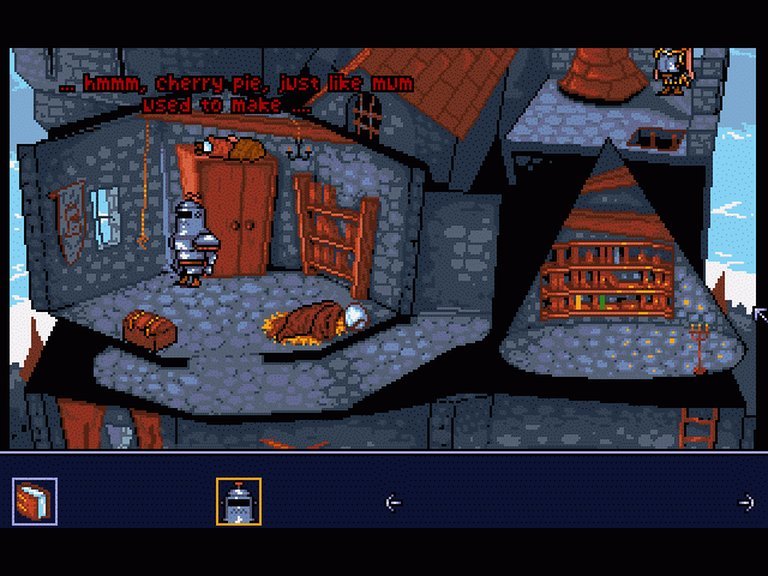
Knightsquire is a freeware point-and-click adventure game set in a cartoonish medieval fantasy world. Players control two characters—Knight and Squire—who embark on a quest to save the king’s daughter from an evil ogre. Using inventory-based puzzles and teamwork, players navigate two large static screens inspired by the classic Gobliiins gameplay style.
Knightsquire Free Download
PC
Knightsquire Guides & Walkthroughs
Knightsquire Reviews & Reception
obsoletegamer.com (90/100): A brilliant short adventure game that’s funny, quirky and touching on the delicate subject of squire-maltreatment.
Knightsquire: A Hidden Gem of Medieval Adventure
Introduction
In the vast landscape of indie adventure games, Knightsquire (2006) stands as a charming, albeit overlooked, title that blends humor, puzzle-solving, and a touch of medieval whimsy. Developed by Jean Fourie (under the pseudonym “buloght”) using the Adventure Game Studio (AGS) engine, this freeware gem draws inspiration from the Gobliiins series, offering a delightful, if brief, experience that captures the essence of classic point-and-click adventures. At its core, Knightsquire is a testament to the creativity that thrived in the early 2000s indie scene, where small teams could craft memorable experiences without the backing of major publishers. This review will dissect the game’s development, narrative, gameplay, and legacy, ultimately arguing that Knightsquire deserves recognition as a clever, if niche, entry in the adventure genre.
Development History & Context
The Indie Adventure Scene in the 2000s
The early 2000s were a golden age for indie adventure games, particularly those developed using AGS. This engine democratized game development, allowing enthusiasts to create polished 2D adventures with minimal resources. Knightsquire emerged during this period, benefiting from the tools and community that AGS provided. The game’s development was a solo effort by Jean Fourie, who handled graphics, design, and scripting, with additional contributions from beta testers and translators.
Technological Constraints & Influences
Knightsquire was built using AGS, a free engine designed for creating 2D adventure games in the style of classic titles like Monkey Island and King’s Quest. The game’s small file size (870.4 KB) reflects the limitations of the era, but Fourie maximized the engine’s capabilities to deliver a visually charming and mechanically sound experience. The game’s cartoonish art style, reminiscent of Gobliiins, was a deliberate choice, evoking nostalgia for earlier adventure games while adding a unique flair.
The Gaming Landscape in 2006
By 2006, the adventure game genre was in a state of flux. Major studios like LucasArts had shifted focus, leaving a void filled by indie developers. Knightsquire arrived at a time when freeware and shareware titles could still find an audience, particularly among fans of classic point-and-click mechanics. The game’s release on July 25, 2006, coincided with a resurgence of interest in retro-style adventures, making it a timely addition to the genre.
Narrative & Thematic Deep Dive
Plot Summary
Knightsquire follows a knight and his squire on a mission to rescue a princess kidnapped by an evil ogre. The knight, burdened by the king’s quest, relies on his squire to perform the more mundane (and often perilous) tasks. The game’s humor stems from the dynamic between the two characters, with the squire often bearing the brunt of the knight’s demands.
Characters & Dialogue
- The Knight: A stereotypical, pompous medieval warrior who delegates all the “dirty work” to his squire. His dialogue is laced with self-importance, creating a comedic contrast with the squire’s plight.
- The Squire: The game’s true protagonist, tasked with solving puzzles and enduring the knight’s orders. His silent suffering adds a layer of dark humor.
- The Ogre: The antagonist, whose sleep animation was notably aided by Erik Fourie, adding a touch of absurdity to the game’s minimalist storytelling.
Themes & Tone
The game’s primary theme is the hierarchical relationship between knights and squires in medieval society. The squire’s struggles highlight the often-overlooked labor behind the knight’s glory. The tone is lighthearted, with a focus on humor and charm rather than deep narrative complexity. The game’s brevity (designed to be completed in under an hour) reinforces its status as a “quick bite” adventure.
Gameplay Mechanics & Systems
Core Gameplay Loop
Knightsquire is a point-and-click adventure with inventory-based puzzles. Players switch between the knight and squire to solve environmental challenges. The knight’s limited mobility and the squire’s agility create a dynamic where cooperation is essential.
Puzzle Design
The puzzles are inventory-driven, requiring players to combine items in creative ways. For example, the squire might need to use a ladder to reach a high ledge while the knight distracts the ogre. The puzzles are designed to be intuitive but not overly simplistic, offering a satisfying challenge.
User Interface & Controls
The UI is straightforward, with a cursor that changes to indicate interactable objects. The inventory system is accessible and well-integrated, allowing for quick item management. The game’s controls are mouse-driven, typical of AGS titles, ensuring accessibility for casual and veteran players alike.
Strengths & Flaws
- Strengths: The game’s humor and puzzle design are its strongest assets. The dynamic between the knight and squire is consistently entertaining.
- Flaws: The game’s brevity and lack of replayability are its main drawbacks. Additionally, the static screens limit exploration, making the world feel smaller than it could be.
World-Building, Art & Sound
Visual Direction
The game’s art style is a standout feature, with vibrant, cartoonish visuals that evoke the Gobliiins series. The environments are detailed and expressive, using color and design to convey the medieval setting. The character animations, though limited, are well-executed and add to the game’s charm.
Sound Design
Knightsquire lacks a musical score, relying instead on sound effects to enhance immersion. The absence of music is a notable omission, but the sound effects (such as the ogre’s snoring) are used effectively to create atmosphere.
Atmosphere & Setting
The game’s medieval setting is rendered with a playful, almost fairy-tale aesthetic. The castle and surrounding environments are filled with whimsical details, from sleeping ogres to mischievous animals. The atmosphere is lighthearted, reinforcing the game’s comedic tone.
Reception & Legacy
Critical Reception
Knightsquire received generally positive reviews upon release, with critics praising its humor, art style, and puzzle design. The game’s Moby Score of 7.3 reflects its status as a well-regarded indie title. Notable reviews include:
– Adventure Island: 80% – “A delightful adventure with humor and charm.”
– Clubic: 8/10 – “Amusing for anglophones and well-realized.”
– Hrej!: 60% – “A short but enjoyable experience.”
Awards & Recognition
The game was nominated for four AGS Awards in 2006, winning “Best Short Game.” This recognition underscores its impact within the AGS community and the broader indie adventure scene.
Legacy & Influence
While Knightsquire did not achieve mainstream success, it remains a beloved title among adventure game enthusiasts. Its influence can be seen in later AGS titles that embrace humor and inventory-based puzzles. The game’s legacy is further cemented by its inclusion in discussions of classic indie adventures, particularly those from the mid-2000s.
Conclusion
Knightsquire is a hidden gem that exemplifies the creativity and charm of early 2000s indie adventure games. Its humor, puzzle design, and art style make it a memorable experience, despite its brevity. While it may not have the depth or longevity of larger titles, it stands as a testament to the power of small-scale game development. For fans of classic point-and-click adventures, Knightsquire is a must-play—a delightful, if fleeting, journey into a world of knights, squires, and ogres.
Final Verdict: A charming, well-crafted adventure that deserves a place in the pantheon of indie classics.