
- Release Year: 2016
- Platforms: Quest, Windows
- Publisher: Crytek GmbH
- Developer: Crytek GmbH
- Genre: Simulation, Sports
- Perspective: 1st-person
- Game Mode: Single-player
- Gameplay: Rock climbing
- Setting: Asia
- VR Support: Yes
Description
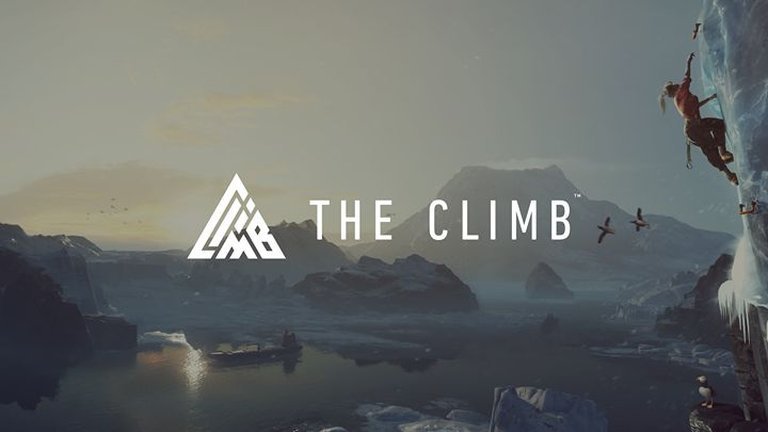
The Climb is a virtual reality rock climbing game developed exclusively for HMDs like the Oculus Rift, offering a first-person perspective as players scale mountains and other challenging environments. The gameplay requires careful exploration to find handholds and frequent use of chalk to maintain grip, simulating the real-life experience of rock climbing.
Gameplay Videos
The Climb Cracks & Fixes
The Climb Mods
The Climb: A Pioneering VR Experience That Redefined Climbing Simulations
Introduction
In the rapidly evolving landscape of virtual reality gaming, The Climb stands as a landmark title that demonstrated the potential of VR to create immersive, physically demanding experiences. Developed by Crytek GmbH and released in 2016, this first-person rock climbing simulator was one of the first games to fully leverage the Oculus Rift’s capabilities, offering players an unparalleled sense of vertigo and accomplishment. This review will dissect The Climb‘s development, narrative, gameplay mechanics, and its lasting impact on the industry, arguing that it remains a pivotal work in VR gaming history.
Development History & Context
Crytek’s Vision and the Birth of a VR Pioneer
Crytek, known for its work on the Crysis series, ventured into VR with The Climb at a time when the technology was still in its infancy. The game was designed exclusively for the Oculus Rift, making it one of the earliest titles to embrace VR as a core experience rather than an afterthought. The development team, led by Executive Producer Elijah Freeman and Technical Director Rok Erjavec, sought to create a game that would push the boundaries of what VR could achieve in terms of immersion and physical interaction.
Technological Constraints and Innovations
Released in 2016, The Climb faced the challenges of early VR hardware, including limited processing power and the need for precise motion tracking. Crytek’s proprietary CryEngine 5 was instrumental in rendering the game’s detailed environments and realistic physics. The initial release relied on standard gamepad controls, but the later addition of Oculus Touch support significantly enhanced the experience by allowing players to use hand-tracked movements for climbing, a feature that critics praised for its natural feel.
Narrative & Thematic Deep Dive
A Minimalist Story, Maximalist Immersion
The Climb eschews a traditional narrative in favor of an atmospheric, almost meditative experience. Players ascend various mountain ranges, from lush jungles to icy peaks, with no overarching plot to follow. Instead, the game focuses on the sheer thrill of climbing, punctuated by environmental storytelling—abandoned campsites, weathered equipment, and breathtaking vistas serve as silent narrators of the climber’s journey.
Themes of Challenge and Conquest
The game’s central theme revolves around the physical and mental challenges of rock climbing. Each route tests the player’s endurance, precision, and problem-solving skills, mirroring real-world climbing in its demand for focus and strategy. The absence of dialogue or cutscenes forces players to engage solely with the environment, reinforcing the game’s core philosophy: climbing is its own reward.
Gameplay Mechanics & Systems
Core Gameplay Loop: Precision and Peril
At its heart, The Climb is about finding the right handholds and footholds to ascend a route while managing stamina and avoiding falls. The game’s physics engine ensures that every grip feels weighty and responsive, with realistic slipping and falling mechanics that heighten the tension. Players must also manage chalk usage to maintain grip, adding a layer of strategy to the climbing process.
Controls: From Gamepad to Oculus Touch
Initially, the gamepad controls were criticized for feeling clunky and unintuitive, as they required players to mimic climbing motions with a controller. The introduction of Oculus Touch controllers revolutionized the experience, allowing for natural hand movements that significantly improved immersion. However, even with Touch, some players found the chalking mechanic cumbersome, requiring quick, repetitive motions that could lead to fatigue.
Progression and Replayability
The Climb features multiple routes of varying difficulty, each with its own unique challenges, such as crumbling ledges or poisonous plants. Speed trials and hidden paths encourage replayability, as players strive to master each route. The game’s lack of a traditional progression system means that the reward is purely the satisfaction of reaching the summit, a design choice that aligns with the game’s minimalist ethos.
World-Building, Art & Sound
A Feast for the Eyes
Crytek’s art direction in The Climb is nothing short of spectacular. The game’s environments are meticulously crafted, from the jagged rock faces of the Himalayas to the misty cliffs of Patagonia. The use of dynamic lighting and weather effects—such as rain, snow, and shifting shadows—creates a living, breathing world that reacts to the player’s presence.
Sound Design: The Symphony of the Wild
The sound design complements the visuals beautifully, with the crunch of gravel underfoot, the rustle of wind, and the distant calls of birds creating an immersive auditory landscape. The absence of a musical score ensures that the environment’s natural sounds take center stage, further enhancing the sense of solitude and isolation.
Reception & Legacy
Critical and Commercial Reception
Upon release, The Climb received mixed to positive reviews, with critics praising its visual fidelity, immersive gameplay, and innovative use of VR technology. However, some criticized its high price point and limited content. The game’s average critic score of 77% reflects its strengths and weaknesses, with particular praise for its Oculus Touch implementation and atmospheric design.
Influence on Subsequent Games
The Climb paved the way for future VR climbing simulations and influenced titles like The Climb 2 (2021) and Ascend: Hand & Foot (2018). Its success demonstrated that VR could offer unique, physically engaging experiences that traditional gaming could not replicate. The game’s emphasis on realism and immersion has become a benchmark for VR developers, inspiring a new wave of motion-controlled games.
Conclusion
The Climb is a testament to the power of VR to create experiences that are as physically demanding as they are visually stunning. While its initial release was hampered by control issues and a high price tag, the addition of Oculus Touch and its breathtaking environments cemented its place as a pioneer in the VR genre. It may not have the narrative depth or replayability of some other titles, but its sheer immersion and technical achievements make it a landmark in gaming history. For those willing to embrace its challenges, The Climb offers an unparalleled sense of accomplishment and a glimpse into the future of virtual reality.