
- Release Year: 2018
- Platforms: Windows
- Publisher: Toplitz Productions GmbH
- Developer: Polygon Art Ltd.
- Genre: Action
- Perspective: 1st-person
- Game Mode: Online PVP
- Gameplay: Shooter
- Average Score: 38/100
Description
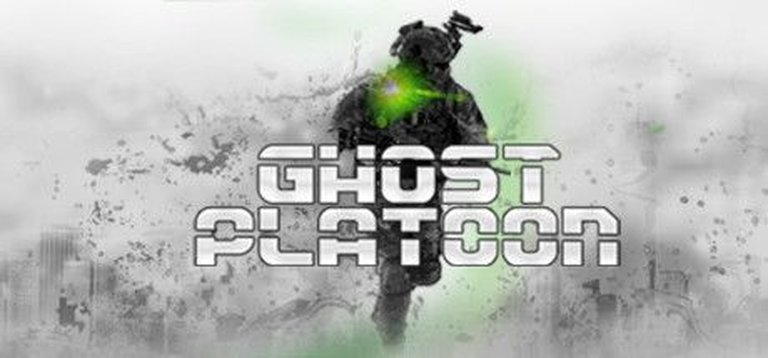
Ghost Platoon is a fast-paced first-person shooter developed by Polygon Art Ltd. and published by Toplitz Productions GmbH, released on Windows in February 2018. Built with Unreal Engine 4, the game emphasizes intense gunplay and tactical combat across 11 handcrafted maps like war-torn villages, desert depots, and tropical islands. Players engage in diverse PvP modes including Deathmatch, Team Deathmatch, and unique options like Golden Gun and Melee, supporting 2-16 players. Features include a 140-rank progression system with unlockable skins, diverse weaponry, and an old-school approach with no loadouts, no automatic health regeneration, and no classes.
Gameplay Videos
Where to Buy Ghost Platoon
PC
Ghost Platoon Guides & Walkthroughs
Ghost Platoon: A Comprehensive Review
Introduction
Ghost Platoon (2018) is a fast-paced, multiplayer-focused first-person shooter (FPS) developed by Polygon Art and published by Toplitz Productions. Built on Unreal Engine 4, the game emphasizes gunplay, map design, and old-school FPS mechanics in a competitive PvP environment. Despite its modest reception, Ghost Platoon offers a unique blend of tactical gameplay and retro-inspired design that warrants a deeper examination. This review will dissect its development history, narrative, gameplay mechanics, world-building, reception, and legacy to determine its place in gaming history.
Development History & Context
Studio and Creators
Developed by the relatively obscure Polygon Art, Ghost Platoon is one of the studio’s few notable titles, alongside Operation: Arctic Hawk and Beyond Enemy Lines. Polygon Art, a small independent studio, aimed to create a competitive FPS that harkened back to the golden age of multiplayer shooters while leveraging modern technology.
The game was published by Toplitz Productions, a company known for its niche, passion-driven projects. Toplitz Productions, named after the mysterious Toplitz Lake in the Austrian Alps, focuses on games with “heart and soul,” often catering to underserved genres or audiences.
Technological Constraints and Gaming Landscape
Released in February 2018 (Early Access) and fully launched in May 2018, Ghost Platoon entered a crowded FPS market dominated by titans like Counter-Strike: Global Offensive, Call of Duty, and Battlefield. The game’s reliance on Unreal Engine 4 allowed for polished visuals and smooth gameplay, but it lacked the budget or marketing muscle of AAA competitors.
The late 2010s saw a resurgence of interest in retro-style shooters, with games like DOOM (2016) and Quake Champions appealing to nostalgia. Ghost Platoon positioned itself as a modern take on classic FPS mechanics, eschewing modern trends like loadout systems and health regeneration in favor of a more “pure” competitive experience.
Narrative & Thematic Deep Dive
Plot and Setting
Unlike many modern shooters, Ghost Platoon lacks a deep narrative. The game is purely multiplayer-focused, with no single-player campaign or overarching story. The maps—ranging from war-torn villages to tropical islands—serve as the primary setting, each with its own atmospheric flair.
Characters and Dialogue
There are no named characters or dialogue in Ghost Platoon. The game is purely about competitive play, with player customization limited to cosmetic skins earned through progression. This minimalist approach allows the gameplay to take center stage.
Themes
The game’s themes revolve around competition, strategy, and mastery of gunplay. The absence of a narrative allows players to focus entirely on skill-based combat, making it a purist’s shooter. The maps, however, subtly evoke themes of war and conflict, with settings like “Crosspoint” (a war-torn town) and “Storm” (a chaotic, thunderous battlefield) reinforcing a militaristic aesthetic.
Gameplay Mechanics & Systems
Core Gameplay Loop
Ghost Platoon is a pure PvP experience, with no single-player content. The core loop revolves around:
– Spawning, picking up weapons, and engaging in combat.
– Earning experience points (XP) through kills to unlock cosmetic skins.
– Mastering map layouts and movement techniques.
Combat and Progression
- No Loadouts: Weapons are picked up on the fly, encouraging adaptability.
- No Health Regeneration: Players must rely on medkits scattered across maps.
- No Classes: Every player is on an even footing, with no specialized roles.
- Ranked Progression: Players climb 140 ranks based on performance, unlocking new skins.
Game Modes
The game offers a variety of modes, including:
– Classic Deathmatch (2-16 players): Simple elimination.
– Team Deathmatch (2-16 players): Team-based elimination.
– Bot Deathmatch: Players fight against AI-controlled bots.
– Resource War: Teams compete for AI-dropped resources.
– Golden Gun: A high-stakes mode where players fight for a powerful golden revolver.
– AIM (2-4 players): Sniper-only mode with restricted movement.
– Melee (2-16 players): Fists-only combat.
UI and Controls
The UI is minimalistic, with a heads-up display (HUD) that shows health, ammo, and kill count. Controls are standard for an FPS, with support for both keyboard/mouse and gamepad.
Innovations and Flaws
- Strengths:
- Fast-paced, skill-based combat.
- Variety of maps and game modes.
- Old-school FPS mechanics that appeal to purists.
- Weaknesses:
- Lack of content beyond multiplayer.
- Limited player base, leading to matchmaking issues.
- Repetitive progression system (cosmetic-only unlocks).
World-Building, Art & Sound
Visual Direction
Ghost Platoon features handcrafted maps with distinct environments:
– Village: A quaint town that feels out of place in a shooter.
– Storm: A chaotic, thunderous battlefield with dynamic weather.
– Crosspoint: A war-torn town with crashed helicopters and destroyed buildings.
– Sunset: A tropical island with bamboo huts and dense vegetation.
– Temple: An ancient structure with tight corridors and a central courtyard.
The art style is realistic but not groundbreaking, with Unreal Engine 4 providing solid visuals without pushing technical boundaries.
Sound Design
The sound design is functional but unremarkable. Gunshots, explosions, and environmental sounds are well-implemented, but the lack of a soundtrack or atmospheric audio depth is noticeable.
Reception & Legacy
Critical and Commercial Reception
Ghost Platoon received mixed to negative reviews at launch. On Steam, it holds a “Mostly Negative” rating (33% positive reviews) based on 18 user reviews. Critics praised its fast-paced gameplay and retro mechanics but criticized its lack of content and small player base.
Influence on Subsequent Games
While not a commercial success, Ghost Platoon contributed to the resurgence of old-school shooters in the late 2010s. Its emphasis on pure gunplay and minimalist design influenced later indie shooters like Ultrakill and Dusk.
Evolution of Reputation
Over time, Ghost Platoon has gained a cult following among retro FPS enthusiasts. Its low price point ($0.59 on Steam as of 2025) and niche appeal have kept it alive in the competitive shooter scene, albeit with a small but dedicated player base.
Conclusion
Ghost Platoon is a niche but worthy entry in the FPS genre. While it lacks the polish and depth of AAA shooters, its old-school mechanics, fast-paced gameplay, and handcrafted maps offer a refreshing alternative to modern trends. Its legacy lies in its purity of design, appealing to players who crave skill-based competition without unnecessary frills.
Final Verdict: A hidden gem for retro FPS fans, Ghost Platoon may not be a household name, but it carves out a unique space in the history of competitive shooters. Its influence, though subtle, is felt in the indie shooter scene, proving that sometimes, less is more.