
- Release Year: 2013
- Platforms: Android, iPad, iPhone, Linux, Macintosh, Windows
- Publisher: Exequor Studios Inc.
- Developer: Exequor Studios Inc.
- Genre: Role-playing (RPG), Strategy, Tactics
- Perspective: Diagonal-down Side view
- Game Mode: Single-player
- Gameplay: Turn-based combat
- Setting: Fantasy
- Average Score: 50/100
Description
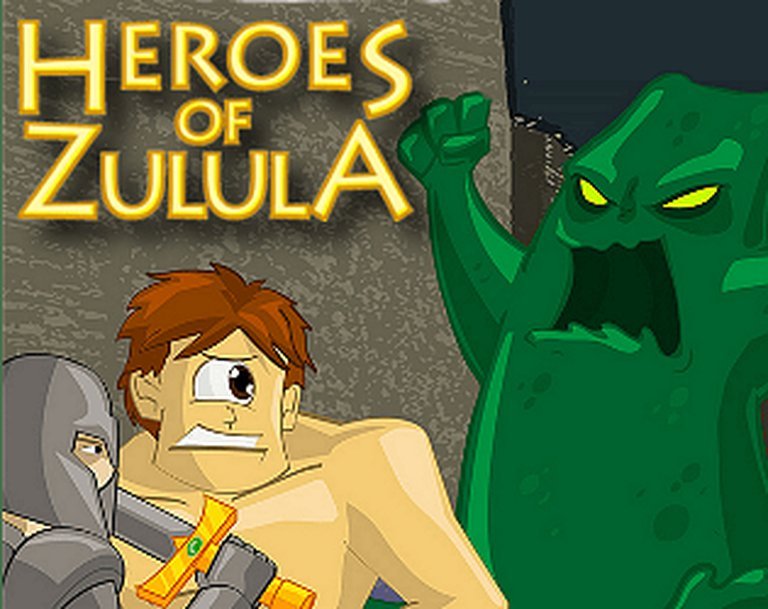
In Heroes of Zulula: MOAR, players command a squad of quirky ex-champions—including Grunty the Cyclop, Ledouche the Knight, and Oulette the Slime—in a turn-based strategy RPG set in the fantasy realm of Zulula. The game tasks players with overthrowing the villainous Akolan after he bans the kingdom’s beloved tournament, featuring tactical battlefield movements, an item-based character progression system, and realtime combat execution. With its humorous, foul-mouthed storyline, retro-styled visuals, and arena mode for testing tactics, it offers strategic depth wrapped in comedic chaos.
Heroes of Zulula: MOAR Reviews & Reception
a.villagegamer.net : Indie studio Exequor has released the long awaited reboot of Heroes of Zulula.
sockscap64.com (50/100): The traditional Zulula fighting tournament has been banned by the vile king Akolan. Battle to restore the tournament in this strategy RPG.
Heroes of Zulula: MOAR: Review
Introduction
In the crowded landscape of mobile RPGs, few titles embrace the mantle of “cult classic” with such unapologetic, irreverent gusto as Heroes of Zulula: MOAR. Arriving in 2013 as a definitive remake and expansion of the 2011 mobile title, this turn-based strategy RPG from Canadian developer Exequor Studios isn’t just a game; it’s a time capsule of crude humor, tactical innovation, and passionate indie development. Drawing directly from the DNA of their 1995 DOS masterpiece, Champions of Zulula: Elite Edition, the original team reunited to deliver an experience that promised “MOAR” – more monsters, more strategies, more drama, and significantly more profanity. Far beyond a simple mobile port, MOAR represents a fascinating intersection of retro sensibilities and modern mobile design, a self-aware satire wrapped in deceptively complex tactical gameplay. Its place in gaming history is cemented not by blockbuster sales or industry accolades, but by its unwavering commitment to a singular, hilarious, and surprisingly deep vision. This review delves exhaustively into the legacy, mechanics, and enduring charm of Heroes of Zulula: MOAR, arguing that despite its niche appeal and rough edges, it remains a uniquely valuable and entertaining artifact of independent game design.
Development History & Context
Heroes of Zulula: MOAR is intrinsically tied to the history of its creator, Exequor Studios Inc., and the legacy of the Zulula franchise. The studio, founded by Christian Boutin and based in Montreal, Canada, was the same entity responsible for the original Champions of Zulula (1994) and its acclaimed Elite Edition (1995). Elite Edition was a shareware sensation on DOS, known for its fast-paced fighting game mechanics and bizarre, character-driven humor – a precursor to the crude, absurdist tone MOAR would inherit. The reunion of the Elite Edition team – Boutin (design, programming, sound), Trent Troop (art), and Dany Bougie (music) – for MOAR is a key piece of context. It wasn’t merely a remake; it was a passion project fueled by nearly two decades of nostalgia and a shared comedic sensibility, aiming to bring the chaotic spirit of Zulula to a new generation of mobile devices.
The technological constraints of the era (2013) were significant but embraced. The game was initially developed for iOS (October 9, 2013) and Android, targeting devices ranging from the iPhone 3GS to the iPhone 5c/5s, requiring iOS 4.0+ or Android 2.2+. This dictated a visual style that, while described as “glorious retro-styled,” was necessarily scaled back compared to contemporary console or high-end PC titles. The diagonal-down and side-view perspectives (on different platforms) were chosen to optimize for mobile screens while maintaining tactical clarity. The shift from the top-down perspective of the 2011 Heroes of Zulula to a diagonal-down view on iOS was a deliberate design choice to enhance battlefield visibility and unit positioning on smaller screens.
The gaming landscape in 2013 was dominated by the rise of free-to-play (F2P) models on mobile, especially in the RPG and strategy genres. Exequor Studios strategically adopted this model for MOAR. The base game was free-to-play, supported by ads, with downloadable content (DLC) offered via in-app purchases (IAPs), such as “Episode 1 Acts” for $0.99. This allowed for a lower barrier to entry while monetizing additional content. The later release on Linux, Mac, and Windows (2014) via itch.io for $2.99 (later $5.99 value including IAPs) demonstrated the studio’s desire to reach a broader PC audience, explicitly stating it included “all in-app purchases the mobile version has,” effectively making the PC version the definitive, ad-free experience for committed players. This multi-platform release strategy, moving from mobile to desktop, reflects the evolving distribution avenues for indie games at the time and the studio’s commitment to their creation beyond the initial mobile market.
Narrative & Thematic Deep Dive
At its core, Heroes of Zulula: MOAR presents a narrative that is less about epic fantasy quests and more about a gloriously absurd, foul-mouthed bar fight writ large. The premise is simple yet perfectly encapsulates the game’s tone: the vile Akolan declares himself overlord of Zulula and, in his first act of tyranny, bans the traditional fighting tournaments forever. This act of villainy is the catalyst for an unlikely rebellion. Players lead a ragtag band of ex-champions – the washed-up, eccentric, and deeply flawed heroes of a bygone era – who unite solely to kick Akolan’s behind and restore their beloved tournament.
The narrative’s strength lies entirely in its characterization and dialogue. The roster is a masterclass in bizarre yet endearing archetypes:
* Grunty the Cyclop: A slow-witted, one-eyed powerhouse, serving as the team’s primary muscle and often the butt of jokes about his lack of depth (literal and figurative).
* Ledouche the Knight: A French-accented nobleman whose pomposity clashes violently with the crude reality of their mission, his name itself a running gag.
* Oulette the Slime: A Quebecois-speaking slime creature whose dialogue is rendered in thick “joual” Quebecois slang, providing linguistic chaos and cultural flavor, even in the English version.
* The Chatroom Eye: A walking eyeball that communicates entirely in l33t-speak and internet memes, a meta-commentary on digital culture.
* The Straight-Man Dog: A rare, more grounded character who serves as the exasperated voice of reason amidst the madness.
* The Robotic Stone Golem: Emotionally detached and literal-minded, providing contrast and dry humor.
* The Run-of-the-Mill Mage: A standard fantasy archetype, made more interesting by the company he keeps.
* The Mercenary Snake: A cynical, opportunistic fighter motivated by gold and survival.
The dialogue is the engine of the narrative, delivering a relentless barrage of profanity, crude humor, surreal non-sequiturs, and surprisingly heartfelt moments amidst the chaos. Phrases like “Deep, emotionally charged storyline of brotherly love, redemption and crap” (from the GameFAQs listing) perfectly capture the game’s self-aware juxtaposition of juvenile humor and genuine character moments. The thematic undercurrents are deliberately subversive. While nominally a fantasy rebellion, the stakes are incredibly personal and mundane – restoring a sporting event. This anti-epic scale is central to the game’s charm. It lampoons traditional RPG tropes, portraying heroes more as dysfunctional family members than paragons of virtue. The recurring theme of “crap” (both literal and figurative, as seen in the “MOAR Crap monsters”) underscores the game’s embrace of the vulgar and absurd. It’s a story about found family, redemption (of sorts), and the enduring power of pointless, violent competition, all wrapped in a narrative that feels like a raucous, politically incorrect cartoon crossed with a strategy manual.
Gameplay Mechanics & Systems
Heroes of Zulula: MOAR distinguishes itself through a unique hybrid gameplay loop that blends strategic movement with a distinctive tactical combat simulation, all underpinned by character progression and itemization.
-
Strategic Layer (Turn-Based Movement): The game unfolds on a strategic map composed of 10 distinct battlefields (initially, with “more to come” promised). Players command a party of champions, moving them across the map in a turn-based fashion. The objective is typically to reach specific points, defeat enemy leaders, or survive waves of enemies. The movement phase emphasizes positioning and resource management, as players must consider terrain, enemy patrols, and the locations of key objectives before committing to combat.
-
The Combat Layer (Real-Time Simulation): This is MOAR‘s most innovative and defining feature. Instead of the traditional tactical RPG turn-by-turn grid combat, MOAR employs a planning phase followed by real-time execution. When armies engage:
- Planning Phase: Players position their units (infantry, archers, cavalry, monsters) on a tactical grid within the engagement zone. They then assign orders – move, attack, use special abilities, hold position – to each unit. This phase emphasizes foresight, positioning, and understanding unit synergies and counters. The “Arena mode” is crucial here, allowing players to test tactics without penalty before risking them in the story.
- Execution Phase: Pressing “Play” triggers a real-time simulation. Players watch as their pre-programmed orders unfold dynamically. Units move, attack, and react based on their stats, equipment, and the orders given. The simulation isn’t purely deterministic; factors like morale, flanking, and random chance influence the outcome. This creates a tense, spectator-like experience where the carefully laid plan either succeeds spectacularly or collapses into chaotic disaster. The shift from abstract planning to tangible, simulated action provides a unique feedback loop.
-
Character Progression & Item System: Progression primarily occurs through story acts and arena battles. Characters gain experience, leveling up to improve base stats (Health, Attack, Defense, Speed, etc.). The item system is a core strategic element. A “variety of items” (potions, weapons, armor, trinkets, and bizarre consumables) can be found, bought, or crafted. These items directly and significantly alter character stats and can unlock unique powers or abilities. Finding the right combination of equipment for each champion in specific roles (tank, damage dealer, support) is key to overcoming tougher challenges. The game encourages experimentation with different loadouts.
-
UI & Presentation: The UI on mobile is designed for touch interaction, with clear buttons for movement, unit selection, order assignment, and item management. While functional for its purpose, it prioritizes clarity over aesthetic flair, fitting the retro aesthetic. The desktop versions added WASD camera movement and Q/E rotation for a more traditional PC control scheme, a welcome adaptation. The “no-holds-barred” nature extends to the UI, with character stats and item descriptions often infused with the same crude humor as the narrative.
The core gameplay loop – strategic positioning -> meticulous combat planning -> tense real-time simulation -> loot and progression – is MOAR‘s greatest strength. It rewards patience, tactical foresight, and adaptability. The free-to-play model with optional acts meant players could sample the core loop before committing funds, though the fragmentation across episodes could be seen as a minor flaw in pacing.
World-Building, Art & Sound
Heroes of Zulula: MOAR crafts a world that is simultaneously a classic fantasy realm and a deliberate, self-aware parody of one. The setting of Zulula is a vibrant, chaotic amalgam of medieval tropes filtered through a lens of absurdist humor and low-budget charm.
-
World-Building & Atmosphere: Zulula is defined by its contrasts. It has kings and knights, but also sentient slimes, walking eyeballs, and literal crap monsters. The central conflict – banning the tournament – grounds the fantastical setting in a relatable, petty human (or cyclop, or slime) desire. The world feels lived-in and slightly rundown, reflecting the “ex-champion” status of the protagonists. Locations range from generic battlefields to the “labyrinthine sewers” where players face “Yvan Shar Ooze, the horrific protoplasmic horror.” The environment isn’t just a backdrop; it influences tactical positioning and provides the stage for the game’s unique brand of slapstick violence. The atmosphere is one of chaotic energy, where the line between hilarious slapstick and genuine (if cartoonish) danger is constantly blurred. The “Trailer Park Boys meet South Park” vibe mentioned in the MobyGames listing permeates everything, making the fantasy feel accessible and deeply silly.
-
Visual Direction & Art Style: The art embraces “glorious retro-styled visuals.” Character sprites are deliberately simple, chunky, and expressive, leaning into the 16-bit aesthetic but with a modern clarity for mobile screens. The designs are instantly recognizable: Grunty’s cyclopean bulk, Ledouche’s ornate (but slightly bedraggled) armor, Oulette’s gelatinous form, the Eye’s l33t-speak bubble. The environments are functional yet charming, using bright, saturated colors and simple tile-based designs that clearly delineate terrain types (plains, forests, mountains, sewers) for tactical purposes. The “MOAR Graphics” boast (at least 3 Graphics!) is a self-deprecating nod to the game’s budget, turning a limitation into a stylistic choice. The animations, particularly during the real-time combat simulation, are simple but effective – sword swings, fireballs, slime bounces, gore (cartoonish, of course) – conveying action clearly on limited hardware. The overall visual package is cohesive, serving the game’s tone and mechanics perfectly without needing high-fidelity graphics.
-
Sound Design & Music: The audio is another pillar of Zulula’s identity. The soundtrack, composed by Dany Bougie, features catchy, upbeat, and often synthesizer-heavy tracks that evoke classic RPGs but with a playful, slightly irreverent twist. The music sets the tone for each encounter, shifting appropriately between strategic planning, tense combat, and comedic dialogue moments. Sound effects are crucial for feedback: the clanging of swords, the squelch of a slime attack, the distinctive thud of a cyclop’s punch, the fizz of a potion. The voice acting (implied or text-based delivery) is central to the humor. The thick Quebecois slang of Oulette, the l33t-speak of the Eye, the pompous French of Ledouche, and the sheer volume of profanity create a rich auditory tapestry that brings the crude characters to life. Sound design isn’t just about immersion; it’s integral to delivering the game’s unique comedic timing and personality. The “retro-styled audio” complements the visuals, creating a cohesive nostalgic yet modern package.
Reception & Legacy
The reception of Heroes of Zulula: MOAR upon its release in October/November 2013 was muted, primarily due to its niche appeal and lack of major marketing push. As evidenced by the MobyGames and Metacritic listings, there are no professional critic reviews archived. This is a common fate for small-scale mobile titles, especially those with such a specific and potentially off-putting tone. The user review sections on platforms like Metacritic and MobyGames are similarly devoid of public feedback, suggesting limited player engagement in formal review channels.
However, it garnered attention within specific gaming communities:
* Mobile & Indie Circles: News outlets like Village Gamer covered its release, highlighting its unique premise, the reunion of the original team, and its free-to-play model with IAPs. Kotaku also listed it, acknowledging its existence and core concept.
* Platform-Specific Stores: It was available on the iOS App Store and Google Play, rated Teen (12+) or Medium Maturity for “Frequent/Intense Profanity or Crude Humor,” “Frequent/Intense Cartoon or Fantasy Violence,” and “Infrequent/Mild Alcohol, Tobacco, or Drug Use or References.” These ratings signaled its mature content to potential buyers.
* PC Release: The 2014 release on itch.io for Windows, Mac, and Linux (with a “Pay what you want” option for Linux) aimed to broaden its reach beyond mobile. The itch.io page shows a perfect user rating (5.0 out of 5 stars, though based on only one rating), indicating at least a small but dedicated core of PC players who appreciated the desktop port.
Its commercial success is difficult to quantify definitively from the sources. The F2P model with IAPs allowed for wide distribution, but specific sales figures aren’t available. The continued availability and cross-platform releases suggest it found a sustainable, albeit likely modest, audience.
Legacy and Influence:
* Niche Cult Status: MOAR‘s primary legacy is as a cult classic within the indie and mobile RPG scene. Its combination of genuinely deep tactical mechanics (the planning/simulation combat) and relentless, juvenile humor created a unique space. It’s remembered fondly by players who discovered it and appreciated its unfiltered personality and surprising strategic depth.
* The Zulula Series Continuation: It served as a significant entry in the Zulula saga, directly following the 2011 mobile Heroes of Zulula and preceding later entries like Heroes of Arzar (2018). It kept the franchise alive for a new generation.
* Tactical Innovation (On Mobile): The real-time simulated combat system was a standout feature in the mobile strategy RPG landscape of 2013. While not revolutionary in absolute terms, its implementation on the platform was unique and offered a different tactical experience than the ubiquitous turn-based grid combat of contemporaries.
* Indie Passion Project: The reunion of the original Champions of Zulula: Elite Edition team after nearly 20 years is a significant point of its legacy. It stands as an example of indie developers revisiting a beloved past work with modern tools and platforms, driven by passion rather than pure commercial calculation.
* Self-Publishing & Distribution: Its release trajectory – mobile first (F2P + IAPs), then PC (itch.io) – reflects common indie strategies of the era, leveraging digital distribution to reach different audiences. The explicit inclusion of all mobile IAP content in the PC version was a value proposition aimed at core fans.
While MOAR didn’t spawn a wave of clones or redefine genres, its legacy is secure for those who cherish it. It represents a specific, uncompromising vision of gaming: smart tactics delivered with maximum silliness and profanity. Its influence is more cultural within its niche – a reminder that games don’t need blockbuster budgets or universal acclaim to be memorable, fun, and artistically valid.
Conclusion
Heroes of Zulula: MOAR is not a flawless masterpiece; its rough edges, niche humor, and relatively limited scope prevent it from achieving widespread acclaim. However, to dismiss it solely on those terms is to miss the point entirely. It is a triumph of passion, personality, and clever design, forged by a reunited team determined to recapture the chaotic spirit of their 1995 DOS classic for a new era.
The game’s greatest achievement lies in its seamless fusion of surprisingly deep tactical gameplay with an unapologetically juvenile and hilarious narrative. The hybrid combat system – meticulous planning followed by tense real-time simulation – remains genuinely engaging and distinct, offering a more dynamic tactical experience than many of its contemporaries. This is wrapped in a world and cast bursting with character: Grunty the dim cyclop, Ledouche the pompous knight, Oulette the profane slime, and the absurd menagerie of monsters and champions that populate Zulula. The “Trailer Park Boys meets South Park” tone, fueled by relentless profanity and crude humor, is not just shtick; it’s the essential ingredient that makes the game’s world feel alive and its characters, however dysfunctional, strangely endearing.
Technically, it embraced the constraints of 2013 mobile development, delivering a coherent “retro-styled” experience that functioned well on its target hardware and later adapted successfully to PC platforms. Its free-to-play model was a pragmatic choice for mobile reach, while the definitive PC version on itch.io offered a premium experience for dedicated fans.
Its legacy is that of a cult classic. MOAR didn’t change the industry, but it carved out a unique and memorable space within it. It stands as a testament to the enduring appeal of tactical RPGs and the power of indie developers to create deeply personal, entertaining, and utterly singular experiences. For players seeking a strategy game that demands thought while delivering laughs, or for those who appreciate the history of passionate, independent game development, Heroes of Zulula: MOAR remains a hidden gem. It may not be for everyone, but for those who connect with its absurd, foul-mouthed heart, it offers an unforgettable, hilarious, and strategically satisfying adventure. Its place in video game history is secure as a unique, charming, and wonderfully flawed artifact of the indie renaissance on mobile and PC.