
- Release Year: 2014
- Platforms: PlayStation 3, PlayStation 4, PS Vita, Windows
- Publisher: Nomad Games Ltd., The Fyzz Facility
- Developer: VooFoo Studios Ltd.
- Genre: Strategy, Tactics
- Perspective: 1st-person
- Game Mode: Hotseat, Online PVP, Single-player
- Gameplay: Board game
- Average Score: 54/100
Description
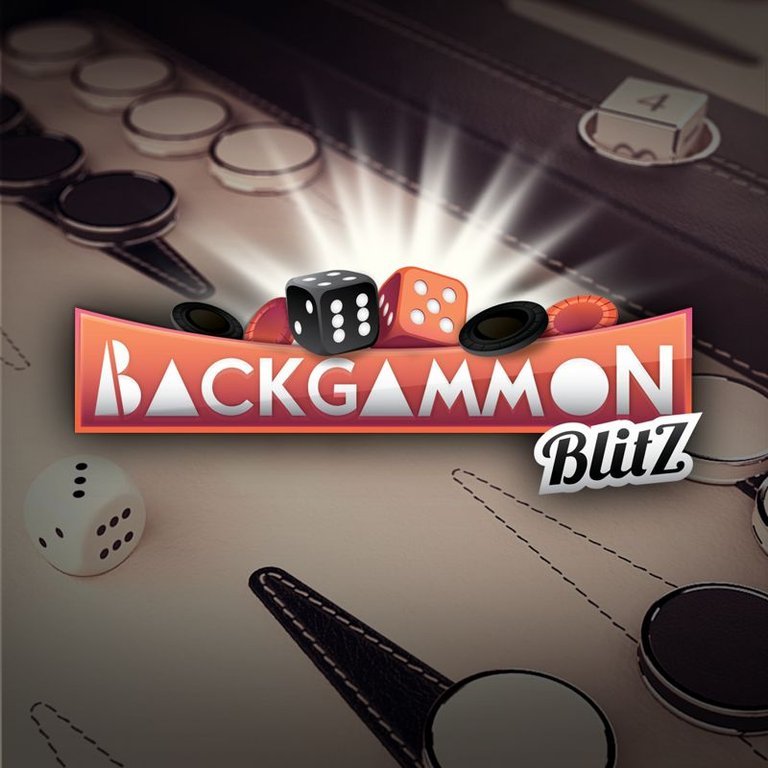
Backgammon Blitz is a visually stunning digital adaptation of the classic two-player strategy board game backgammon, where players race to bear off all their checkers first through deceptively deep tactics and dice rolls. Rendered in immersive 1st-person perspective with cutting-edge graphics, it offers single-player practice, local and online multiplayer for 2 players, and a fast-paced Blitz mode, available on PlayStation 3, PS4, PS Vita, and Windows, appealing to both casual fans and seasoned masters.
Gameplay Videos
Where to Buy Backgammon Blitz
PC
Backgammon Blitz Cracks & Fixes
Backgammon Blitz Guides & Walkthroughs
Backgammon Blitz Reviews & Reception
metacritic.com (50/100): There’s not a lot of content here, and unless you can find regular online opponents, that means it can all start to feel really repetitive pretty quickly.
terminalgamer.com : micro-transactions really don’t help the game, and in the end hurt the folks on a limited budget.
digitallydownloaded.net : the game of Backgammon itself is a far more limited one than chess or pool, and as a consequence this title just isn’t as engaging.
Backgammon Blitz: Review
Introduction
Imagine the clack of wooden checkers on a polished board, the rattle of dice echoing through centuries of human history—now digitized in stunning high definition, with a twist of arcade frenzy. Backgammon Blitz, released in 2014 by VooFoo Studios, breathes new life into one of humanity’s oldest pastimes, a game tracing back over 5,000 years to ancient Mesopotamia. As a faithful yet innovative adaptation, it catapults backgammon from dusty parlors to modern consoles, blending timeless strategy with online multiplayer and a chaotic “Blitz” mode. This review posits that Backgammon Blitz excels as a visually opulent tribute to classic board gaming, perfect for casual family play and cross-platform rivalry, but stumbles under the weight of luck-dominated mechanics, microtransaction-laden extras, and a niche appeal that limits its enduring draw—cementing it as a polished curiosity rather than a genre-defining masterpiece.
Development History & Context
VooFoo Studios, a UK-based developer known for elevating tabletop simulations, crafted Backgammon Blitz amid the tail end of the seventh console generation and the dawn of the eighth. Founded by industry veterans, VooFoo had already garnered acclaim with Pure Chess and Hustle Kings, establishing a signature style of photo-realistic board games that harnessed cutting-edge console tech for immersive authenticity. Led by Technology Director Mark Williams, Producer/Designer Shaun Read, and a 87-person credit list including programmers Chris Gilkes and Matthew Golder, 3D artists Chung Hang Wong and Sam Faulkner, and quirky roles like “Blitz Master” Ben Kaye and “Gammon Guru” Robert Jones, the team poured expertise into this project.
Published by The Fyzz Facility (with Nomad Games Ltd. handling later ports), the game launched on April 15, 2014, for PlayStation 3, swiftly followed by PS Vita and PlayStation 4 versions, and a 2015 Windows release via Steam. This multi-platform strategy capitalized on Sony’s ecosystem, enabling cross-play interconnectivity across PS3, PS4, and Vita— a forward-thinking move in an era when digital downloads were exploding and services like PlayStation Network demanded robust online features. Technological constraints of the time, such as 1080p HD output and DUALSHOCK 4 support, were leveraged for tactile realism, while the gaming landscape brimmed with blockbusters like Destiny and Watch Dogs. Yet, amid this AAA frenzy, Backgammon Blitz targeted underserved board game enthusiasts, filling a void for “console generation exclusives” in the strategy/tactics genre. Priced affordably at $3.99–$7.99, it reflected indie ambitions within Sony’s digital storefronts, battling microtransaction skepticism and the rise of free-to-play mobile titles.
Narrative & Thematic Deep Dive
Backgammon Blitz eschews traditional video game storytelling for the abstract narrative of pure competition, where the “plot” unfolds through dice rolls, checker maneuvers, and bear-off races—a microcosm of life’s unpredictability. There are no protagonists or scripted dialogues; instead, thematic depth emerges from backgammon’s inherent duality: strategy versus fate. Players embody anonymous tacticians, plotting to safely escort 15 checkers around the board, hitting opponents’ blots (lone pieces) to send them to the bar, and priming blocks to stymie advances. This mirrors ancient themes of fortune’s whims—evident in credits like “Snake Eyes” (Wayne Marc Godfrey) and “Double Trouble” (Robert Karp)—evoking the gambler’s thrill of doubling cubes, where bold risks amplify stakes.
The Blitz mode injects narrative flair via power-ups, transforming matches into heroic sagas of empowerment: “On Fire” scorches foes, “Knockout” clears paths, and extras like freezing pieces or bonus dice cast players as augmented masters rising from “pupil to show-off,” per the official blurb. Tutorials frame progression as a journey from novice to veteran, with voice-chat and leaderboards weaving social tales of global rivalry. Yet, this minimalism is a double-edged sword; lacking voiced characters or lore (unlike VooFoo’s more narrative-leaning Pure Pool), themes of rivalry and mastery feel emergent rather than immersive. Dialogue is absent, replaced by lounge ambiance that underscores relaxation amid tension— a thematic nod to backgammon as “a world you want to reach out and touch,” blending cerebral depth with casual repose.
Gameplay Mechanics & Systems
At its core, Backgammon Blitz masterfully recreates backgammon’s loop: roll dice, move checkers along 24 points, hit blots, enter from the bar, form blocks, and bear off first. Standard rules include variants, with intuitive 1st-person perspective and UI art by Liam Shalloo ensuring fluid navigation. Tutorials demystify complexities like the doubling cube, making it accessible for beginners while challenging veterans with AI that avoids dice-fixing for fair play.
Core Modes:
– Single-Player: Versus scalable AI (easy lower settings criticized as too forgiving).
– Local Multiplayer: Split-screen for family battles, praised as “perfect” by reviewers.
– Online Multiplayer: Quick Play, asynchronous play-by-mail, voice-chat, and global leaderboards—cross-platform with PS3/PS4/Vita, though servers grew quiet post-launch.
– Blitz Mode: The star innovation, an arcade twist with 8 power-ups (e.g., extra dice, freezes) unlocked via in-game Bullion (earned slowly or bought £2.15–£10.99). Limited to 3 per match, it adds chaos but draws ire for grindy progression (128 games minimum) and paywalls, creating unfair online lopsides.
UI shines with touch-friendly Vita controls and Remote Play, but frame rate dips on certain tables mar polish. Progression ties to unlocks and rankings, fostering replayability, yet luck’s dominance—dice dictating outcomes—undermines skill, as noted by critics: a pro can fall to novice rolls, lacking chess-like depth. Flaws include repetitive AI and sparse online population, but systems like interconnectivity (600MB saves) innovate brilliantly for the era.
World-Building, Art & Sound
The “world” is an intimate lounge tableau: four exclusive boards (e.g., stone, per reviewers’ favorite) rendered in photo-realistic HD, with steam rising from virtual drinks and tactile checker clacks evoking physical play. Visual direction—harnessing PS4’s power—delivers “stunning HD photo-realistic visuals” and “gorgeous style,” from gleaming pieces to atmospheric lighting, fostering immersion akin to Pure Chess. Atmosphere relaxes via lounge music, subtle dice rolls, and environmental details like floating steam, turning sessions into cozy rituals.
Sound design complements: crisp dice rattles, checker slides, and optional voice-chat enhance rivalry without bombast. No bombastic score overwhelms; instead, mellow tracks underscore strategy’s rhythm, contributing to a “place to relax and soak up.” Cross-platform consistency maintains fidelity, though Vita sacrifices some shine for portability. Collectively, these elements elevate a static board into a living, touchable diorama—VooFoo’s hallmark.
Reception & Legacy
Launch reception was mixed: MobyGames averages 68% (Gamegravy: 6.75/10, lauding family MP next to Pure Chess); PS4Home (8.3/10) hailed visuals and homage; TerminalGamer (7/10) fun but microtransactions “hurt”; DigitallyDownloaded critiqued luck over skill; Metacritic user score 4.5/10 (generally unfavorable); Steam Mixed (59%, 258 reviews). Commercial estimates peg ~7k units, with low peaks (33 concurrent).
Legacy endures as VooFoo’s board game trifecta capstone, influencing digital adaptations via cross-play and realism (echoed in Chess Ultra). Groups like “Board game translations” and “Console Exclusives” underscore preservation. Post-2014, sparse updates reflect niche status—online lobbies quiet, no major sequels—but affordable pricing ($3.99 Steam) sustains collectors. It highlights perils of luck-based digitization and MTX in casuals, paving for purer sims like Wingspan while romanticizing ancients in modern tech.
Conclusion
Backgammon Blitz masterfully digitizes a 5,000-year legacy, its HD splendor, cross-play prowess, and Blitz flair captivating casuals and families, yet luck’s tyranny, grindy unlocks, and tepid multiplayer temper highs. VooFoo Studios delivers a worthy Pure series entry—immersive, authentic, fun in spurts—but not revolutionary. In video game history, it occupies a niche pedestal: essential for backgammon aficionados, skippable for strategy purists craving depth. Verdict: Buy for the board game void; 7.5/10—a polished relic blending eras, forever rattling dice in Sony’s digital halls.