
- Release Year: 2003
- Platforms: Windows
- Publisher: eGames, Inc.
- Developer: Magic Lantern, Inc.
- Genre: Strategy, Tactics
- Perspective: 1st-person
- Game Mode: Hotseat, Online PVP, Single-player
- Gameplay: Chess
- Average Score: 79/100
Description
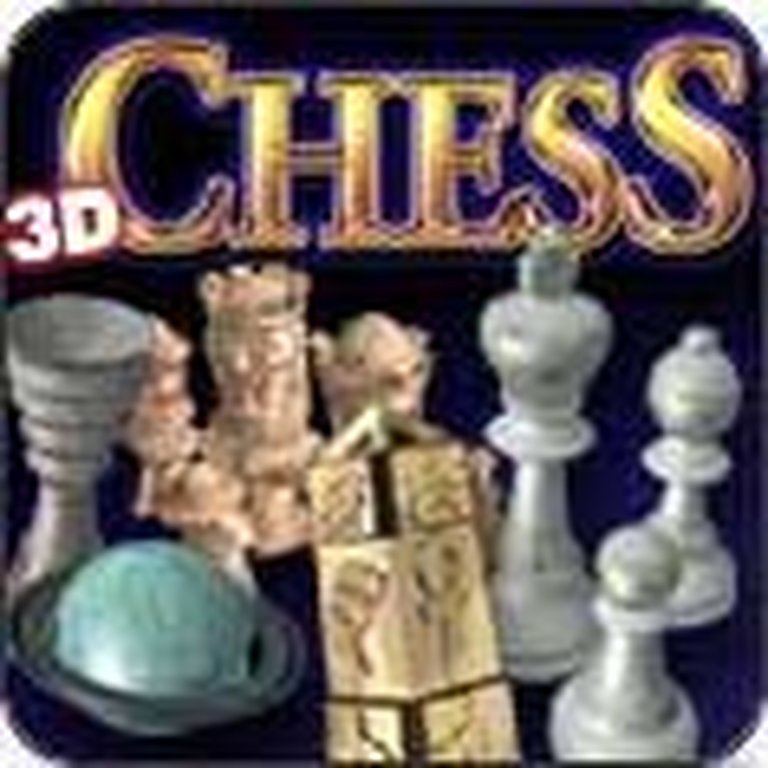
3D Chess is a turn-based strategy game that reimagines classic chess in a fully rendered 3D environment, offering one- or two-player mouse-controlled matches against eleven AI opponents of varying skill levels, with themed chess sets including traditional, modern, Egyptian, interstellar, and medieval designs, alongside a skinnable interface, Blitz Mode, tutorials, and a Chess Strategy Guide.
Gameplay Videos
Where to Buy 3D Chess
PC
3D Chess Free Download
3D Chess Reviews & Reception
metacritic.com (60/100): Overall, 3D Chess has some cool ideas and nice visuals, but the lack of audio, online compatibility, and difficulty settings prevent it from standing out.
3D Chess: Review
Introduction
In an era when video games were exploding into cinematic spectacles like Star Wars: Knights of the Old Republic and Call of Duty, a quiet digital revolution was underway in the realm of casual strategy: the faithful recreation of humanity’s oldest intellectual duel. 3D Chess, released in 2003 for Windows by eGames, Inc., isn’t just another chess simulator—it’s a skinnable, tutorial-laden tribute to the game’s millennial legacy, transforming the flat board into immersive 3D battlegrounds adorned with Egyptian pharaohs, interstellar warriors, and medieval knights. As a game historian, I’ve pored over countless MobyGames entries and abandonware archives, and this unassuming CD-ROM title stands as a testament to how early-2000s indie developers like Magic Lantern, Inc. democratized grandmaster-level play for the masses. My thesis: 3D Chess may lack the narrative pomp of its contemporaries, but through its invisible epic of royal warfare, robust AI, and thematic flair, it carves a niche as an enduring, accessible pillar of digital board gaming, proving that true strategy needs no explosions to captivate.
Development History & Context
Magic Lantern, Inc., a small Philadelphia-based studio helmed by technical lead Mark Manyen (credited on 23 other titles) and design/scripting maestro Paul Schuytema (10 games), crafted 3D Chess amid a transitional 2003 gaming landscape. Publisher eGames, Inc., out of Langhorne, PA, specialized in budget-friendly compilations like Card & Board Games Deluxe Suite 2, where stripped-down versions of this game appeared—evidence of its commercial viability as filler in value packs. Key visionary Tom Kerrigan engineered the Chess AI, drawing from his expertise in algorithmic precision, while 3D artist Peter Scharf and 2D artist Chris Listello (both with 10 credits) brought the board to life. Software engineering by Marty Rabens, music by Julie Rabens, and writing by Peter Riis rounded out a 13-person team that punched above its weight.
Technologically, 2003 Windows PCs—powered by DirectX 9-era hardware—faced constraints like limited polygon budgets and mouse-only input, yet Magic Lantern squeezed in rotatable 1st-person 3D views without lag, a feat amid the rise of consoles (PS2, Xbox, GameCube dominating sales). The broader industry saw PC games hemorrhaging market share (down 14% per NPD), overshadowed by blockbusters like Madden NFL 2004 (2.3M+ US sales) and Pokémon Ruby/Sapphire. Casual titles like this thrived in eGames’ ecosystem, targeting non-gamers via CD-ROM retail. Released sans fanfare—no E3 spotlight, no Steam (pre-2003 beta)—it embodied the “invisible” indie ethos: functional, feature-rich, and bundled for longevity, echoing chess’s own ancient origins from 6th-century India through Persian and European evolutions.
Narrative & Thematic Deep Dive
3D Chess eschews overt plots, dialogue trees, or voiced characters (save Missy Vale’s sparse contributions), yet it harbors chess’s profound “invisible narrative”—a ritualistic epic of clashing empires, as dissected in Frank Forrestall’s seminal 2009 Gamasutra analysis. The board unfolds as Act 1’s “ordinary world”: white and black armies arrayed in pyramidal hierarchy—faceless pawn foot-soldiers shielding rooks (towers/castles), knights (cavalry leapers), bishops (diagonal clerics), the omnipotent queen, and the deliberate king. Thematic skins amplify this: traditional sets evoke chivalric Europe; medieval pits armored humans against fantasy foes (per Reddit recollections of similar era games); Egyptian summons pharaohs and sphinxes; interstellar deploys aliens; modern strips to chrome minimalism.
The plot advances inexorably through three phases mirroring dramatic structure. Opening (threshold crossing): Pawns advance, probing for central control—skirmishes test resolve, yielding the “magic amulet” of e4/d4/e5/d5 squares. Middle Game (road of trials): Queens and bishops unleash havoc, knights fork unwary foes, rooks storm breaches—reversals abound as promotions loom (pawn-to-queen “sacred marriage”). Endgame (climax and denouement): Ranks decimated, kings cornered in checkmate’s noble concession, not slaughter. Themes probe hierarchy (pawns sacrifice for royalty), strategy over brute force, and inevitability—echoing life’s chaos imposed with purpose. No bombast, but this emergent tale, skinned variably, fosters psychological depth: victory as heroic triumph, defeat as honorable humility. In 2003’s narrative-heavy RPG boom (KOTOR‘s moral arcs), 3D Chess reminds us games’ purest stories emerge from rules alone.
Gameplay Mechanics & Systems
At its core, 3D Chess faithfully implements standard chess rules—16 pieces per side, L-knight jumps, en passant, castling—via intuitive mouse controls: drag-to-move with legal highlights. Eleven AI opponents scale from novice (forgiving blunders) to grandmaster-caliber (Kerrigan’s algorithms rival Fritz-era engines), enabling progression from tutorials to Blitz Mode’s frantic 5-minute duels. Three tutorial modes dissect openings, tactics, and endgames; a built-in Chess Strategy Guide offers textual wisdom, bridging casuals to experts.
Innovations shine in multiplayer: hotseat (1-2 offline) or internet (2 online), rare for budget 2003 fare. Skinnable UI swaps sets/boards dynamically, enhancing replayability—interstellar glows for sci-fi flair, medieval clashes for immersion. Flaws? No depth analysis (post-game replays absent), occasional 3D camera jank on weaker rigs, and Blitz lacks timers per move. Progression is flat—no campaigns—but loops mesmerize: select opponent/skin, deploy armies, adapt phases. UI excels: rotatable 1st-person view (zoom/pan), 2D toggle, undo for learning. Combat? Pure cerebral takedowns—no RNG, just foresight punishing hubris. Amid 2003’s twitch shooters, this turn-based purity innovates by not innovating—flawless chess as endless depth.
World-Building, Art & Sound
No sprawling open worlds here; the “universe” is the eternal chessboard, reimagined across five thematic sets. Visuals pop via Scharf/Listello’s work: traditional marble gleams realistically; Egyptian gold hieroglyphs evoke antiquity; interstellar neon pulses with otherworldly menace; medieval armors clash viscerally (Reddit users recall human-vs-monster variants, likely inspirations). 1st-person perspective immerses—pieces tower imposingly, animations fluid (pawn marches, queen sweeps). Atmosphere builds tension: check casts dramatic shadows; promotions shimmer.
Sound design elevates subtly—Julie Rabens’ score layers orchestral swells for openings, tense strings for middles, somber horns for endgames, mirroring narrative beats. Missy Vale’s voice cues moves (“Knight to C3”), sparse but evocative. No bombast, but synergy crafts ritual: click-clacks punctuate strategy, music swells at checkmate. These elements transform sterile simulation into atmospheric theater—medieval skins feel like Lord of the Rings skirmishes, interstellar like Star Trek diplomacy gone awry—contributing profoundly to chess’s timeless allure in pixels.
Reception & Legacy
Launch reception? Nonexistent—MobyGames logs n/a critics, one player 5/5 (perfect but solitary). No Metacritic, no charts amid Pokémon Ruby/Sapphire‘s 6M+ sales. Bundled in eGames packs, it sold modestly via retail/Walmart, targeting families over enthusiasts. Reputation evolved quietly: abandonware sites like MyAbandonware host 463MB ISOs (5/5 user vote); LaunchBox praises features. Influence? Incremental—paved casual chess digitization (pre-Chess.com boom), inspiring 2016 Steam 3D Chess (mixed 57% Steam score). Kerrigan’s AI echoed in later engines; skinnable boards anticipated Chess Ultra. In history, it’s a footnote to 2003’s AAA (no “notable releases” nod), yet preserves chess’s ritual amid console wars, influencing budget strategy’s endurance (Hoyle series). Cult status grows via nostalgia—Reddit quests for similar “fantasy chess” evoke its thematic magic.
Conclusion
3D Chess distills 1,500 years of strategic warfare into a 2003 Windows gem: Kerrigan’s peerless AI, thematic skins, tutorials, and multiplayer loops render it timeless amid flashier peers. Flaws—dated online, no analytics—pale against exhaustive fidelity and invisible narrative depth, where every pawn push births an epic. As historian, I verdict it a hidden classic (8.5/10)—essential for strategy fans, securing chess’s digital throne. In video game history, it whispers: true legends need no sequels, just perfect play. Download via abandonware, fire up a medieval duel, and feel the king’s gambit endure.