
- Release Year: 2021
- Platforms: Nintendo Switch, Windows
- Publisher: Foreign Gnomes, Surefire.Games
- Developer: Foreign Gnomes
- Genre: Adventure
- Perspective: 3rd-person (Other)
- Game Mode: Single-player
- Gameplay: Music, rhythm, RPG elements
- Setting: Fantasy, Futuristic, Sci-fi
- Average Score: 81/100
Description
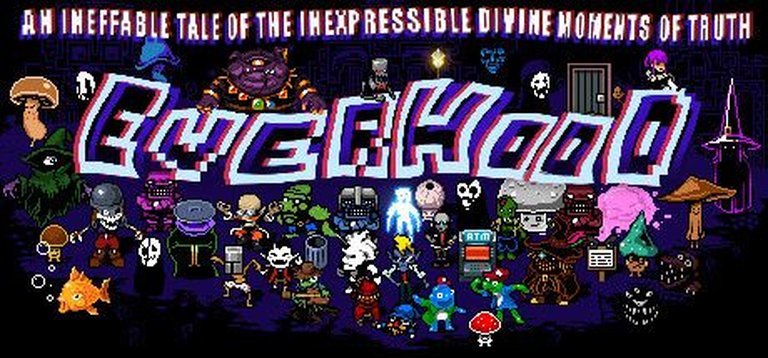
Everhood is a genre-defying adventure game that blends music/rhythm gameplay with RPG elements in a surreal 2D scrolling world set in a fusion of fantasy and sci-fi/futuristic environments. Featuring third-person perspective and direct control, players embark on a quirky, narrative-driven journey filled with intense rhythmic battles and philosophical undertones, earning high acclaim with an 8.1 Moby Score and comparisons to Undertale and Earthbound.
Gameplay Videos
Where to Buy Everhood
Everhood Mods
Everhood Guides & Walkthroughs
Everhood Reviews & Reception
metacritic.com (81/100): What a visually intense, aurally stunning, philosophically charged experience – and possibly one of the best games of the year.
opencritic.com (82/100): Everhood is one of the most memorable games we’ve played in recent years.
rpgamer.com : Everhood manages to not only distinguish itself from its influences, but also to turn the expectations that come with them upside-down, all to provide an experience that can’t be found anywhere else.
foreverclassicgames.com : wildly entertaining, thoughtful, unconventional RPG that is definitely worth playing.
pixeldie.com : if there’s one good reason to play, it’s to experience the spectacle that has been put together.
Everhood: Review
Introduction
Imagine awakening in a fractured dreamscape where immortality is not a gift but a curse, where every rhythm pulses with the weight of eternity, and your wooden doll protagonist must dance through bullet-hell symphonies to deliver mercy. Everhood, the 2021 debut from indie duo Foreign Gnomes, is that fever dream made manifest—a surreal RPG that hijacks the DNA of Undertale and Yume Nikki, remixing it into a hypnotic rhythm-action odyssey. Released amid a sea of polished blockbusters, it emerged as a raw, unfiltered cult phenomenon, its bizarre narrative and addictive battles lingering like an earworm you can’t shake. This review argues that Everhood transcends its indie trappings to become a landmark in experimental gaming: a profound meditation on mortality, boredom, and player agency, elevated by one of the decade’s most eclectic soundtracks, though not without its rough edges in polish and pacing.
Development History & Context
Everhood was the brainchild of two visionary creators: Swedish artist, VFX specialist, and composer Chris Nordgren (working at Mojang on titles like Minecraft Dungeons) and Spanish programmer Jordi Roca (founder of LittleStone Games). Operating under the whimsical banner Foreign Gnomes, the pair bootstrapped the project starting around August 2018 using Unity, a choice that enabled its psychedelic visuals and tight rhythm mechanics without blockbuster budgets. Nordgren handled art, effects, and much of the soundtrack, drawing from psychedelic influences like Shpongle’s Ineffable Mysteries trilogy—echoed directly in the subtitle An Ineffable Tale of the Inexpressible Divine Moments of Truth. Roca coded the core loop, iterating from prototypes that blended JRPG exploration with rhythm dodging.
The 2021 launch on Windows and Nintendo Switch (followed by Eternity Edition on PS4/5, Xbox One/Series X|S in 2023) arrived in a post-Undertale indie landscape craving quirky RPGs, but amid COVID delays that pushed it from Q4 2020. Vertical slice demos on itch.io and Game Jolt in 2018 built hype via community votes (e.g., the “fox” trailer win), while Steam wishlists swelled. Constraints like a tiny team fostered innovation—boss fights as bespoke songs—but also flaws like Switch frame drops. Published by Surefire.Games for broader reach, it retailed at $4.99, embodying the era’s DIY ethos: two creators against eternity, birthing a game that punches far above its weight.
Narrative & Thematic Deep Dive
Plot Overview and Twists
Everhood‘s story unfolds in two acts, a bait-and-switch masterpiece of escalating absurdity. You control Red, a mute wooden doll whose arm is pilfered by Blue Thief on orders from the tyrannical Gold Pig. Teaming up post a brutal incinerator “near-death,” Red traverses surreal realms via the Cosmic Hub—a Yume Nikki-esque nexus of doors—to reassemble the shattered Blue Door and confront Gold Pig. Fetch quests (toilet paper for Brown Mage? A flower pot chain?) mask deeper dread.
Act Two detonates the facade: Frog reveals Everhood as a “tattered remnant” of an ancient immortal paradise, now a prison of eons-old boredom. Billions entered via scientists’ portal, mutating into color-named freaks (Professor Orange, Green Mage, Rasta Beast) too terrified of oblivion to suicide. Red’s arm unlocks a “kill” option—mercy euthanasia to enable reincarnation. Multiple endings branch: Normal (genocide the ~30 survivors, kill the Sun, reconcile as Pink emerges from Red’s husk, battling the Universe Cube); Pacifist (Frog’s despairing duel, no closure); NG+ variants like Alone (eternal isolation) or Maker (fight the Dev Gnomes).
Characters and Dialogue
The cast is a fevered pantheon: affable Frog (tutorial/Sans expy, apocalyptic shredder boss); mad Green Mage (endless corridor troll, Medallion RPG parody); sentient Trash Can (toilet paper hoarder); Noseferachu (cold-afflicted vampire). Dialogue crackles with cryptic philosophy—”Why won’t you die?”—riddled with grammatical quirks (intentional? Critics debate). Pink, the true killer puppeteering Red post-incinerator, embodies dissociation; Gold Pig, greedy overlord, symbolizes stagnant power.
Themes: Immortality’s Horror and Existential Reckoning
Everhood flips Undertale‘s pacifism: genocide is heroic, freeing souls from Time Abyss-induced insanity (millennia of debauchery, per notes). Influenced by Shpongle, it probes “ineffable truths”—rejecting humanity for godhood, reconciling via death. Buddhist undertones (Waiting Room mandala, Bodhisattva sage) frame reincarnation as mercy; player choice mirrors real agency amid meaninglessness. Reddit theories posit Everhood as a dimension humans invaded, Pink a prior failed exterminator. It’s Who Wants to Live Forever? as interactive koan: eternity breeds nihilism, death rebirth.
Gameplay Mechanics & Systems
Core Loops: Exploration and Rhythm Bullet Hell
Overworld navigation mimics retro RPGs—top-down scrolling, side-view hubs—with double-tap running (clunky on Switch) and save lampposts. Progression hinges on battles: 5-lane Guitar Hero field where foes sync attacks to bespoke tracks. Dodge via lane-shift, jump (i-frames ground notes), air-roll. Pre-arm: survive song length. Post-arm: deflect (absorb/fire back), drain enemy HP before loop ends.
Innovations shine: Interface Screw (rotations, reversals, static); minigames (Super Racket tennis, Vampire Boy obstacle course, kart races); Medallion tabletop (Talisman parody, deflect sword). NG+ unlocks Insane mode (1HP, no checkpoints), Cat God/Sam bosses.
Progression, UI, Flaws
No traditional leveling—arm upgrades power. UI is minimalist: Magic 8-Ball tracks kills, lantern trails necessities. Difficulties (Story to Insane) scale health regen, deflection leniency. Flaws: tedious fetches (888-room corridor ~3 hours sprint), RNG strafes, Switch FPS dips/load times mar rhythm precision. Yet, retries/checkpoints forgive, making mastery euphoric.
| Mechanic | Innovation | Potential Flaw |
|---|---|---|
| Dodge/Deflect | Syncs to boss OSTs | Tight timings demand practice |
| Multiple Endings | 6+ paths (Normal, Alone, etc.) | Pacifist feels punitive |
| NG+ | New bosses/secrets | Replays reset reincarnation |
World-Building, Art & Sound
Everhood’s setting is a psychedelic patchwork: Mushroom Forest labs, Desert Temple, Cart Carnival neon, Cursed Castle haunts—unconnected yet thematically cohesive as immortal purgatory. Atmosphere evokes dread via Ominous Television static, abandoned post-genocide husks.
Visuals: Retro 2D scrolling/pixel art—minimalist silhouettes, shadowed faces/glowing eyes (gnomes/mages). Disney Acid Sequences (incinerator skeleton-dragons, Pink’s abyss plunge) burst with VFX flair, though sparse overworlds feel bland.
Sound: The crown jewel—58-credit OST by Nordgren, Cazok (“Vampires Invading Heaven”), Lewmoth (“Squid Jazz”), Dancefloor is Lava, even Chipzel/David Wise remixes. Boss themes dictate patterns: Frog’s banjo tutorial shreds to 12-guitar apocalypse; Shopkeeper’s irregular beat warps reality. It immerses, elevates every dodge to symphony.
These forge immersion: disjointed hubs mirror fractured psyches; music-as-enemy binds rhythm to existential rhythm of life/death.
Reception & Legacy
Critics hailed it (Moby 8.1/27K, Metacritic 81, 83% Moby avg): Nintendo World Report (95%, “instant classic”), Hardcore Gamer (90%, “euphoria”), Nintendo Life (90%, “bonkers originality”). Praises: combat joy, OST genius, Undertale flips. Gripes: plot overload (Destructoid 70%, “too many twists”), tech woes (Switch FPS, loads), grammar/pretension (Gaming Outsider 65%).
Commercially modest (112 Moby collectors), it cult-exploded via word-of-mouth, Steam Overwhelmingly Positive (13K+). Influenced rhythm-RPGs; Everhood 2 (2025) continues legacy. As VGChartz noted, two creators toppled giants—indie proof against new-gen monoliths. Reputation evolved to “required gaming,” inspiring theorycraft (Reddit: Pink genocide loops).
Conclusion
Everhood is a flawed masterpiece: rhythm perfection tempers narrative opacity and tech hiccups, birthing an unforgettable psyche-shredder. By inverting RPG morality—making “kill everything” redemptive—it carves a niche in video game history beside Undertale and Crypt of the NecroDancer, a bold thesis on immortality’s void. For rhythm fiends, philosophy seekers, or indie explorers, it’s essential—9/10, an eternal earworm demanding replays. In Everhood’s words: “Come visit again. It never ends.”