
- Release Year: 2017
- Platforms: Windows
- Publisher: DON’T NOD Eleven SAS
- Developer: DON’T NOD Eleven SAS
- Genre: Action
- Perspective: Side view
- Game Mode: Online PVP
- Gameplay: Shooter
- Setting: Futuristic, Sci-fi, Space station, Spaceship
- Average Score: 40/100
Description
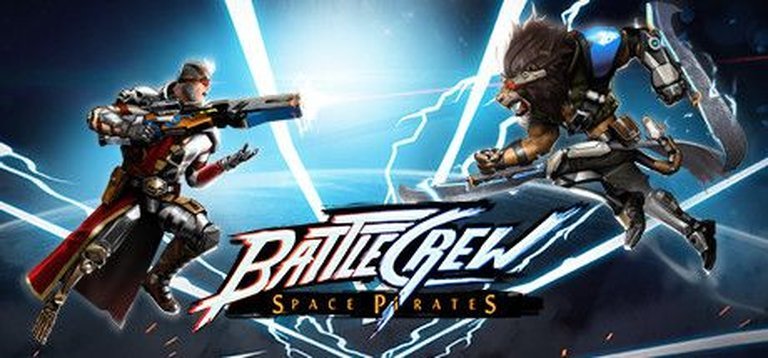
Battlecrew: Space Pirates is a sci-fi multiplayer shooter set in a futuristic galaxy where players lead teams of charismatic space pirates in intense side-view 2D battles aboard spaceships and space stations. Customize your crew with unique characters boasting distinct attack, defense, and movement abilities, steal gold from rival buccaneers, and dock at the notorious Tortuga station between matches to recruit teammates, check online leaderboards, and join community challenges.
Gameplay Videos
Where to Buy Battlecrew: Space Pirates
PC
Battlecrew: Space Pirates Guides & Walkthroughs
Battlecrew: Space Pirates Reviews & Reception
opencritic.com (10/100): Battlecrew: Space Pirates is a side-scrolling online action game, which is a genre that has infinite room to build upon, but Battlecrew didn’t seem too interested in that.
Battlecrew: Space Pirates: Review
Introduction
In the vast cosmos of 2017’s gaming galaxy, where hero shooters like Overwatch dominated the multiplayer arena and free-to-play battlegrounds were exploding in popularity, Battlecrew: Space Pirates blasted onto Steam as a quirky side-scrolling contender. Developed by the upstart French studio DONTNOD Eleven, this free-to-play multiplayer shooter promised swashbuckling chaos amid charismatic space buccaneers, blending 2D platforming with team-based combat. Yet, despite its vibrant pirate flair and ambitious community-driven evolution, it faded into obscurity, its servers now ghostly husks of unclaimed gold. As a game historian, I argue that Battlecrew represents a fascinating, if flawed, footnote in the hero shooter evolution—a bold fusion of retro side-scrollers and modern MOBAs that captured fleeting thrills but crumbled under technical woes, sparse content, and fierce competition.
Development History & Context
DONTNOD Eleven, a Montpellier-based studio spun off from the acclaimed DON’T NOD Entertainment (creators of Life is Strange), emerged as a dedicated action-game outfit. Previously known as HeSaw, they had cut their teeth on rail-shooter Blue Estate (2014), a VR-friendly party game that showcased their knack for punchy, accessible multiplayer. Battlecrew: Space Pirates marked their ambitious Steam debut, helmed by a compact team of 47 credits, including Managing Director Samuel Jacques, Game Director Florian Desforges, and Lead Programmer Cyrille Combes. Oskar Guilbert served as President, underscoring the studio’s tight-knit, passionate ethos.
Conceived around 18 months before its November 2016 Early Access tease, the project stemmed from a “simple list of ideas” aimed at instant fun: challenging action, rewarding depth, and player-driven evolution. Built on Unreal Engine 4—a powerhouse for its era, enabling lush 2D visuals and smooth netcode—the game targeted modest PC specs (quad-core CPU, GTX 560 Ti minimum), making it accessible amid the rise of esports titles demanding beefier rigs. Released fully on July 10, 2017 (after Early Access and closed betas with no NDA for streaming), it launched into a crowded 2017 landscape: PlayerUnknown’s Battlegrounds was dominating Steam Early Access, Overwatch had redefined hero shooters, and side-scrollers like Awesomenauts lingered as cult hits.
Technological constraints were forgiving—5GB storage, broadband required—but the era’s multiplayer gold rush favored polished live-service models. DONTNOD Eleven’s vision was community-centric: “Pirate Bounties” for unlocking content, Tortuga hub for socializing. Yet, as Samuel Jacques noted in Steam forums, they pledged to iterate based on feedback, a promise tested by the free-to-play model’s pitfalls like sparse player bases and paywalled cosmetics (e.g., All Pirates Skins DLC at $14.99).
Narrative & Thematic Deep Dive
Battlecrew: Space Pirates eschews traditional single-player storytelling for a vignette-driven multiplayer ethos, where “plot” emerges from emergent pirate rivalries rather than scripted arcs. You embody one of four “coolest and most charismatic pirates in the galaxy,” each with bespoke attacks, defenses, and mobility—think agile dodges, heavy-hitting barrages, or evasive grapples—leading crews in gold-heisting frenzies or deathmatch dust-ups. No overwrought campaign exists; instead, lore trickles through Tortuga, the game’s pulsing space station hub modeled after the infamous buccaneer isle. Here, pirates dock to recruit, gloat over leaderboards, and tackle “community challenges,” forging a narrative of galactic greed.
Thematically, it’s pure pulp sci-fi piracy: avarice reigns supreme in Gold Rush, where teams scramble for loot crates amid destructible arenas, echoing Sea of Thieves‘ treasure hunts but in 2D frenzy. Team Deathmatch amplifies bloodthirsty vendettas, vaporizing foes to rack up kills. Characters like the tanky bruiser or nimble flanker embody archetypes without deep backstories—dialogue limited to taunts and emotes—yet they pulse with thematic zest: over-the-top personalities satirizing pirate tropes in a futuristic Milky Way. Underlying motifs of cooperation versus betrayal shine in crew formation (2v2 or 4v4 squads), where skill and synergy trump solo heroics, critiquing the era’s lone-wolf esports grind. Pirate Bounties add meta-narrative layers, as global challenges unlock maps, skins, and modes, making players co-authors of the universe’s expansion. It’s light on pathos but heavy on anarchic joy, a thematic pirate yarn spun from chaos rather than cutscenes.
Gameplay Mechanics & Systems
At its core, Battlecrew loops through pick-a-hero, queue-for-mayhem, and post-match hubbing, delivering frantic side-scrolling shootouts for 2-8 players. Four classes define playstyles:
- Bruiser: High-health tank with crowd-control blasts, ideal for gold-guarding.
- Flanker: Speedy assassin with mobility dashes, excelling in ambushes.
- Support: Utility healer/enabler, fostering team synergy.
- DPS Striker: Burst-damage dealer, fragile but lethal.
Combat thrives on direct control—keyboard/mouse or gamepad—with twin-stick fluidity: left stick for movement (grapples, jumps across vertical maps), right for aiming volleys. Gold Rush demands objective play: harvest crates, bank at dropships while dodging enemy steals, blending Payload from TF2 with platformer chaos. Team Deathmatch is pure fragfest, first-to-X kills. Progression ties to Pirate Points (XP) and Bounties, unlocking 18+ maps (9 per mode), cosmetics, taunts—though “unlimited version” perks hinted at premium tiers.
UI shines in Tortuga: a vibrant social nexus for matchmaking, stats, avatar tweaks, and challenges. Training vs. bots eases onboarding, but flaws abound—matchmaking lobbies often ghosted, netcode stuttered under latency, balance tilted toward meta classes. Innovative systems like destructible environments and verticality (multi-tier arenas) innovated on side-scrollers, but repetitive loops and absent bots in customs doomed longevity. Steam Achievements (20 total) and trading cards added grind appeal, yet in-app purchases for skins felt predatory in a free-to-play skeleton crew.
World-Building, Art & Sound
Battlecrew‘s universe orbits Tortuga, a neon-drenched space station teeming with holographic billboards, rowdy saloons, and docking bays—a masterful hub evoking Tortuga from Sid Meier’s Pirates! reimagined in hyperspace. Arenas span derelict ships, asteroid fields, and orbital platforms, with 2D scrolling visuals bursting in UE4 polish: juicy particle FX (explosions, gold sparks), layered parallax skies, and readable chaos despite bullet-hell density.
Art direction nails “richly-colored cast of cool pirates”—blocky, cel-shaded heroes with exaggerated swagger (hook hands, eyepatches, laser cutlasses), instantly distinguishable amid frenzy. Visuals contribute kinetic energy: dynamic lighting on destructibles heightens tension, vertical maps reward platforming mastery. Sound design amplifies immersion—crisp pew-pews, booming ship horns, Léa Bareil’s punchy FX layered over R-Shot Music’s electro-swing OST, blending sea shanties with synthwave. Taunts deliver piratey barbs in French-accented English (plus German/Spanish dubs), fostering rival trash-talk. Collectively, these forge an atmospheric powder keg: exhilarating in peak lobbies, hollow in dead ones.
Reception & Legacy
Launch reception was muted—MobyGames lists no critic scores, Steam’s 210 reviews settle at “Mixed” (55% positive), praising “addictive” matches but slamming dead servers, balance issues, and abandoned updates. GameZone’s lone major critique (1/10) lambasted it as uninspired side-scrolling fodder. Commercially free ($0 now, bundles with skins), it peaked modestly before player exodus; forums buzzed with beta enthusiasm (no NDA streaming) but soured on unfulfilled roadmaps.
Legacy endures as a niche artifact: DONTNOD Eleven pivoted to Twin Mirror, but Battlecrew influenced micro-trends in 2.5D hero shooters (Awesomenauts echoes, micro-MOBAs). Servers offline, it’s unplayable—yet mods or private lobbies could revive it. In industry terms, it presaged community-unlock models (e.g., Fortnite events) but highlighted free-to-play pitfalls for indies against juggernauts. A cult curiosity for platformer purists, its influence ripples faintly in Brawlhalla‘s side-scrolling brawls.
Conclusion
Battlecrew: Space Pirates is a rollicking relic: vibrant art, sharp mechanics, and pirate panache marred by multiplayer malaise and market timing. DONTNOD Eleven’s debut swung for competitive stars but crash-landed amid giants, its Tortuga hub a poignant ghost town of untapped potential. In video game history, it claims a quirky berth—not a masterpiece, but a testament to indies daring side-scrolling reinvention. Verdict: 6/10—worth emulating locally for fans of chaotic crews, forever a “what if” in the free-to-play frontier. Fire up an emulator if servers stir; otherwise, plunder elsewhere.