
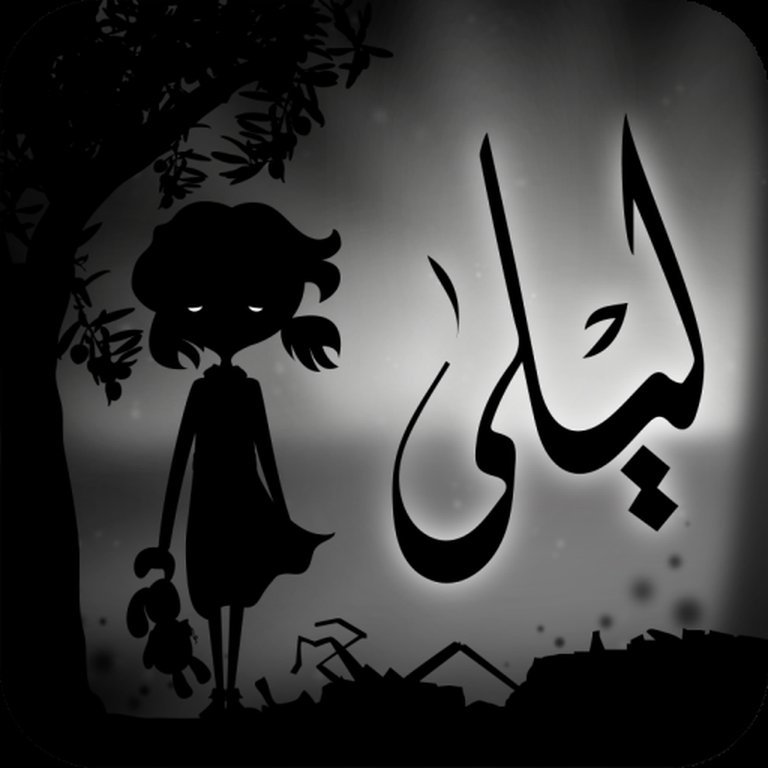
Description
Liyla and the Shadows of War is a side-scrolling platformer adventure set in a contemporary war-torn Gaza neighborhood during the 2014 Gaza War, where players guide a Palestinian father through shadowy night streets, avoiding drones, missiles, and gunfire to reunite with his family and ensure their survival amid indiscriminate attacks by Israeli security forces.
Liyla and The Shadows of War Reviews & Reception
rasheedabueideh.itch.io (94/100): This is amazing. I damn cried while playing.
videogamesandthebible.com : It’s about a father and daughter, running, illuminated only by the white phosphorus burning under Gaza’s night sky.
Liyla and The Shadows of War: Review
Introduction
Imagine a game where victory is impossible, where every choice leads to devastation, and where the controller in your hands feels like a futile grasp at survival amid indiscriminate death. Liyla and The Shadows of War (2016) thrusts players into this nightmare, a freeware platformer born from the 2014 Gaza War’s horrors. Developed by Palestinian creator Rasheed Abueideh, this brief yet harrowing experience—clocking in at 10-20 minutes—has endured as a lightning rod for discourse on games as activism, censorship, and the human cost of conflict. Its legacy lies not in blockbuster sales or Metacritic scores (which remain absent), but in its raw emotional punch, award wins like IMGA MENA’s Excellence in Storytelling, and its role in the 2021 Itch.io Palestinian aid bundle that raised over $900,000. My thesis: Liyla is less a “game” in the escapist sense and more a vital interactive elegy, proving indie titles can humanize the dehumanized and challenge industry gatekeepers, securing its place as a landmark in politically charged gaming.
Development History & Context
Rasheed Abueideh, a software engineer from Nablus in the West Bank and father of two, conceived Liyla in secrecy amid personal fears for his family’s safety. Inspired by images of a father cradling his dead daughter during Israel’s Operation Protective Edge (the 2014 Gaza War), Abueideh channeled his “sadness, fear, empathy, and anger” into a project questioning his own protective instincts. Working nights around his full-time job, he spent two years immersing himself in war footage and reports, ensuring every event—from beach strikes to ambulance bombings—mirrored reality.
The “studio” was a distributed trio of volunteers across countries: Abueideh handled game design, programming, and direction; Wedad Irshaid provided art and illustrations; Sarah Shawwa managed animations. Jorge Méndez composed music (under his alias “Cold”), with sounds sourced from Freesound.org and special thanks to supporters like Heather Kelley. Co-funded unconventionally by Finnish online casino Suomalaiset Nettikasinot, the game targeted mobile amid the 2016 indie boom, echoing Limbo‘s silhouette style and The Last of Us‘ familial stakes but stripped to essentials due to resource constraints—no AAA budgets, just spare-time passion.
The 2016 mobile landscape favored casual hits like Pokémon GO and endless runners, but political games were rare and risky. Technological limits (Unity for mobile/PC) suited its 2D simplicity, yet release hit snags: Android launched May 18, but Apple rejected iOS listing as a “game,” deeming it “not appropriate” for Games—suggesting News/Reference instead—sparking outrage over double standards (e.g., pro-Israel Israeli Heroes thrived). Public backlash reversed this by May 22. A 2021 Windows port via Itch.io amplified its reach during renewed crisis. In an era of gamification and safe narratives, Liyla emerged as defiant activism from the Global South.
Narrative & Thematic Deep Dive
Liyla‘s plot unfolds in Gaza’s shadowed nights: you control an unnamed Palestinian father racing home through bombardments to reunite with his wife and young daughter, Liyla (“night” in Arabic). What begins as evasion escalates into a desperate exodus—guiding family past drones, missiles, and collapsing safe havens. Key vignettes draw from real tragedies:
- Beach Soccer Strike: Timed choice—approach four boys (Ahed, Ismail, Zakariya, Mohammad Baker, aged 9-11, killed July 16, 2014)? Approaching dooms Liyla too; avoiding spares her briefly.
- UNRWA School Bombing: Shelter in the school? It’s obliterated (mirroring 2014 strikes on 28 schools).
- Power Station and Light Bomb: Darkness engulfs after strikes; hide from parachute flares and drones.
- Auto-Scroll Flight: Post-mother’s death, dual-control father/Liyla over wreckage.
- Inevitable End: Injured Liyla boards an ambulance (one of 20 destroyed); a missile annihilates it. Father cradles her body as blue souls (hers, mother’s, others) ascend.
No dialogue beyond sparse prompts; narrative relies on Liyla’s cries, screams, and silent desperation. Characters are silhouettes—universal everymen—emphasizing anonymity in statistics (“A Million Is a Statistic” trope subverted). Themes pierce deeply:
- Hopelessness and Helplessness: “But Thou Must!” choices (e.g., ambulance is sole option) underscore war’s inevitability; retries mock real-world finality.
- Dehumanization of Civilians: Credits tally casualties, naming the Baker boys, humanizing “collateral damage.”
- Parental Terror: Abueideh’s “what if this happened to me?” fuels fatherly anguish, evoking The Last of Us but without redemption.
- Indiscriminate Violence: Drones/missiles ignore innocence; red accents on projectiles symbolize blood amid monochrome despair.
This isn’t propaganda—Abueideh avoided “sides,” focusing on civilian plight—but a “call for help,” breaking media silence on Palestinian stories.
Gameplay Mechanics & Systems
A hybrid 2D side-scrolling platformer and “choose-your-own-adventure,” Liyla subverts genre norms for thematic punch. Core loop: auto-forward movement through levels; jump (tap/up arrow) and interact (space/contextual) evade threats. No combat—pure survival against environmental hazards.
- Progression: Linear levels escalate peril—early solo runs yield to family sections. Dual-control (separate jumps for father/Liyla) in auto-scroll heightens tension; mis-time, and one dies, restarting segment.
- Choices: Timed moral dilemmas (e.g., beach boys, school) as “Schmuck Bait”—wrong paths (humanitarian impulses) kill via strikes; “correct” evasion feels cowardly, replayable but futile long-term.
- Hazards: Missiles clear paths/kill; drones hunt under flares; wreckage demands precision. Death retries instant, no lives/continues—reinforcing contingency.
- UI/Controls: Minimalist—touch/jump buttons on mobile, keyboard on PC. No HUD; intuitive but buggy (some report slow performance, missing audio, progression glitches).
- Innovations/Flaws: Genius in subverting player agency—Downer Ending denies triumph, mirroring Gaza’s reality. Puzzles are environmental (hide spots). Flaws: Brevity limits depth; trial-and-error feels punitive (30+ deaths common); linearity/non-replayability irks some (“interactive animation,” not game).
Yet, this austerity amplifies immersion: split attention mirrors parental overload, retries evoke respawn-less life.
World-Building, Art & Sound
Gaza’s war-torn night is a silhouette hellscape—Deliberately Monochrome black/gray evokes Limbo, with red flares/explosions piercing darkness (post-power station blackout intensifies). Hollywood Darkness averted: true pitch-black forces reliance on audio cues. Settings progress: home streets → beach → ruins → ambulance road—destroyed infrastructure (schools, ambulances) builds a collapsing world.
Art (Irshaid/Shawwa) is sparse, evocative: faceless shadows humanize via proportion (tiny Liyla), Winged Souls (blue orbs at death) poeticize loss. Atmosphere: Claustrophobic, urgent—night hides/kills.
Sound design: No score (early claims; Méndez credited later), just ambient horror—gunfire, explosions, Liyla’s piercing screams (“nails on chalkboard”). Freesound.org assets amplify realism; layered effects (overlapping blasts) immerse, though bugs mute some. Collectively, they forge dread: visuals disorient, audio assaults, birthing empathy through sensory overload.
Reception & Legacy
Launch reception mixed but fervent—no MobyGames/Metacritic aggregates, but player feedback (Itch.io 4.7/5 from 90+ ratings) lauds emotional impact (“made me cry,” “work of art,” “Free Palestine”). Critics praised messaging: Hardcore Gamer noted “impressive elements” despite shortness; Wired (2021) deemed it “more relevant than ever.” Awards: IMGA MENA Storytelling winner, GDWC 3rd Serious, Reboot Develop Visual Excellence, IndieCade selections.
Controversy boosted visibility—Apple’s rejection decried as censorship (TouchArcade, Kill Screen, Polygon highlighted double standards). Commercial: Freeware success via virality; 2021 Itch bundle ( centerpiece amid 1,000+ games) funneled $900k to UNRWA.
Legacy evolves: Initial “political” label faded to art-game staple, influencing “serious games” (Games for Change lists it). Sparks discourse on games vs. apps, Palestinian devs (Abueideh’s Dreams on a Pillow crowdfunder faces similar hurdles). Influences: Echoed in empathy-driven titles like Life is Strange 2; TV Tropes catalogs its bleak tropes. In industry, it exposed gatekeeping, amplifying Global South voices amid ongoing crises.
Conclusion
Liyla and The Shadows of War distills war’s absurdity into 10 minutes of shadowed agony: masterful narrative economy, subversive mechanics, and austere artistry converge to evoke profound helplessness. Flaws—brevity, bugs, linearity—pale against its unflinching humanity, transforming statistics into souls. As historian, I verdict it a cornerstone of activist gaming, akin to LIMBO for horror or Papers, Please for morality. Not for escapism, but essential: Play it, feel the shadows, and confront the cost. 9/10—a defiant cry echoing through game history. Free on Itch.io, Android/iOS; its light must not fade.