
- Release Year: 2019
- Platforms: Windows
- Genre: Adventure
- Perspective: 1st-person
- Game Mode: Single-player
- Gameplay: Graphic adventure
- Setting: Futuristic, Sci-fi
Description
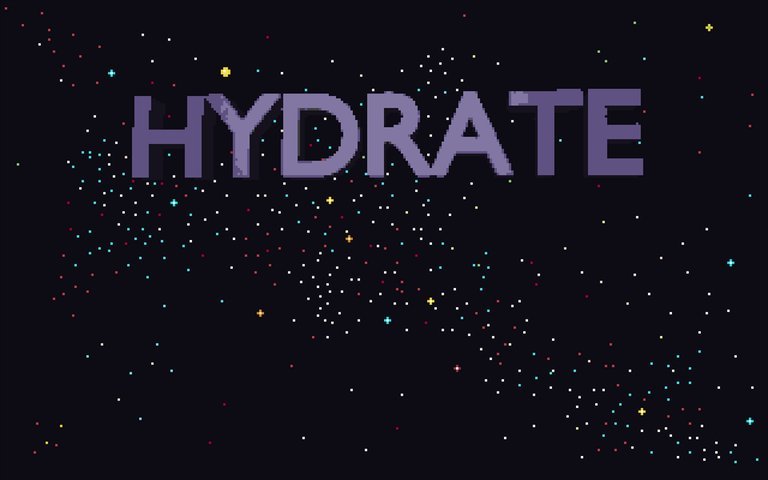
Hydrate is a free, short 2D point-and-click adventure game set in a sci-fi mining station that served as a neutral ground for peace talks between warring alien races—Assholian, Pacifian, and Neutri—until a devastating battle left few survivors, damaged critical systems, and depleted the water supply two days prior, with rescue not arriving for a month; players control Shar, the last remaining engineer, in a 5-10 minute graphic adventure solving the crisis using mouse controls and inventory management.
Hydrate: Review
Introduction
In the vast cosmos of video game history, where sprawling epics like The Elder Scrolls V: Skyrim dominate discussions of narrative depth and emergent storytelling, few titles capture the essence of pure, unadulterated indie creativity quite like Hydrate. Released in 2019 as a freeware gem from the Adventure Game Studio (AGS) community’s Monthly Adventure Game Studio (MAGS) contest, this bite-sized point-and-click adventure clocks in at a brisk 5–10 minutes—yet it punches far above its weight. As a professional game journalist and historian, I’ve pored over countless entries in the graphic adventure genre, from the text-heavy pioneers like Zork to modern interactive narratives like Life is Strange. Hydrate stands as a microcosm of the genre’s enduring appeal: clever puzzle-solving wrapped in a sci-fi mystery, born from severe constraints. My thesis is simple yet profound: Hydrate exemplifies how even the shortest games can deliver thematic resonance, mechanical ingenuity, and communal joy, cementing its place as a vital artifact in the indie adventure game’s rich tapestry.
Development History & Context
Hydrate emerged from the fertile ground of the AGS community, a grassroots ecosystem that has sustained point-and-click adventures since the engine’s inception in 1997. Developed solo by Retro Wolf (also known as Oldschool_Wolf), a prolific indie creator with credits on titles like Rackham and Moustache Quest, the game was crafted explicitly for the March 2019 MAGS event. This monthly contest challenges participants to build a complete adventure game in just four weeks, themed around “Glass of Water”—a prompt Hydrate ingeniously literalizes amid a sci-fi survival crisis.
The technological constraints were AGS’s hallmark: limited to 320×200 resolution with 32-bit color, mouse-only controls, and fixed/flip-screen perspectives reminiscent of 1990s classics like The Secret of Monkey Island. Retro Wolf leveraged AGS’s robust scripting for inventory management and puzzle logic, with music sourced from Eric Matyas (a frequent AGS collaborator on tracks for games like Rackham and Ice Station Zero) and quality control by Cassiebsg, another community veteran. No massive studio backing here—just pure passion project ethos.
In 2019’s gaming landscape, Hydrate arrived amid a renaissance for narrative-driven indies. Blockbusters like Disco Elysium and Control elevated storytelling via branching paths and environmental cues, while free-to-play models exploded (Apex Legends topped charts). Yet the adventure genre, once king in the ’90s (think Day of the Tentacle), had niche-ified into AGS jams and itch.io uploads. MAGS represented a countercultural holdout, echoing early PC gaming’s DIY spirit amid AAA’s narrative bloat. Hydrate‘s freeware model (public domain vibes) democratized access, aligning with evolving mediums where short-form tales—like mobile Sky: Children of the Light—thrived. Retro Wolf’s vision? A “quick and easy” comedy-mystery skewering interstellar politics, proving constraints breed innovation.
Narrative & Thematic Deep Dive
Hydrate‘s plot is a masterclass in concise sci-fi satire, unfolding as a detective/mystery aboard a battered mining station. Neutral ground for peace talks among warring races—Assholian (a punny nod to belligerent warmongers), Pacifian (pacifist idealists), and pre-existing Neutri—erupts into battle. Recycling and storage systems shatter, water supplies vanish two days prior, and survivors await rescue in one month. Enter Shar, the last engineer: a lone protagonist thrust into hydration heroism.
The narrative hook is immediate: survival hinges on ingenuity amid absurdity. Shar navigates damaged corridors, piecing clues via point-and-click investigation—echoing Colossal Cave Adventure‘s parser roots but visualized. Characters shine through sparse, suggestive dialogue: the “last high-ranking officer, drunk out of his face,” embodies post-trauma despair, while racial tensions (Assholian aggression vs. Pacifian naivety) satirize real-world diplomacy. No voice acting, yet text crackles with comedy—”suggestive dialog” per AGS ratings—hinting at flirtatious banter amid crisis.
Thematically, Hydrate dives deep into hydration as metaphor. Water scarcity critiques resource wars (mirroring BioShock‘s environmental storytelling), with the “Glass of Water” theme literalized as puzzle linchpin. Broader motifs nod Aristotle’s Poetics—problem (dehydration), struggle (puzzles), resolution (salvation)—while subverting expectations: peace talks breed violence, survival demands irreverence. Like Bloodborne‘s opaque lore, clues emerge environmentally, rewarding interpretation. Shar’s arc embodies resilience, a “mental state” evolution per Marie-Laure Ryan’s narratology: from isolated fixer to savior. At 5–10 minutes, it’s embedded narrative purity—no emergent branches, just laser-focused progression—proving brevity amplifies impact in an era of 100-hour slogs.
Gameplay Mechanics & Systems
Core loop: explore fixed-screen rooms, collect inventory items, solve puzzles to restore water. Mouse-driven point-and-select interface is intuitive, AGS-standard: hotspots glow subtly, inventory auto-opens on clicks. No combat—pure graphic adventure, emphasizing logic over reflexes.
Puzzles blend classicism with theme: manipulate recycling systems, jury-rig storage, interrogate NPCs. Reviews praise “nice mix but not very difficult… always clear what to do next,” avoiding pixel-hunting frustration of yore (Maniac Mansion). Shar’s progression is linear yet satisfying: early clues (battle debris) unlock mid-game tools (engineer’s kit), culminating in hydration triumph. UI shines— “interesting GUI” per players—with compact inventory and flip-screen transitions evoking Sam & Max Hit the Road.
Innovations? Theme integration: water motifs permeate (e.g., glass vessels as keys). Flaws minimal—brevity limits replayability, no branching paths (unlike Until Dawn‘s butterfly effect). No progression trees, but short length suits “one-player offline” spec. Overall, mechanics honor genre forebears while streamlining for jam constraints, delivering puzzle joy without bloat.
World-Building, Art & Sound
The mining station is a claustrophobic sci-fi diorama: corridors scarred by battle, flickering lights, depleted tanks—atmosphere via scarcity. Fixed screens build tension, flipping like Beneath a Steel Sky‘s panels, evoking isolation. World-building shines subtly: racial lore via logs/NPCs (Neutri neutrality, Assholian bluster), tying to peace-talk irony.
Art: 320×200 pixel perfection—”cute graphics” glow with charm. Bold palettes (rusty reds, sterile blues) contrast debris, 32-bit depth adding polish. Atmosphere: oppressive yet whimsical, station as character—damaged vents whisper peril.
Sound: Eric Matyas’ tracks (e.g., “Dreamy Game” vibes) underscore tension—ambient hums, drips amplify hydration dread. Sparse SFX (clanks, slurps?) heighten immersion, no voiceover needed. Collectively, elements forge cohesion: visuals claustrophobic, audio taut, world a puzzle-box amplifying narrative thirst.
Reception & Legacy
Launch reception was niche but glowing: MAGS “Glass of Water” winner, AGS page averages praise—”fun little game… solid MAGS… great little game !”—highlighting GUI, puzzles, brevity. No MobyScore (n/a), zero critic reviews, but player nods (821 downloads) affirm community love. Commercially? Freeware success: zero barrier, pure preservation.
Reputation evolved modestly; MobyGames entry (2023) signals archival rising. Influence? Micro—yet ripples in AGS scene, inspiring short jams amid narrative debates (The Atlantic‘s “games better without stories”). Echoes genre history: from Pong‘s storylessness to Half-Life‘s seamless integration, Hydrate upholds adventures’ puzzle-narrative core. No Skyrim-scale impact, but embodies indie ethos—free, thematic, communal—like Undertale‘s subversion. In historiography, it’s a footnote gem: MAGS as “gateway” to preservation, countering AAA dominance.
Conclusion
Hydrate distills adventure gaming to essence: sharp narrative, taut puzzles, thematic wit in 10 minutes flat. From MAGS origins to AGS polish, it triumphs over constraints, blending sci-fi satire with survival smarts. Flaws? Length limits depth; yet strength lies therein—pure, uncompromised joy. Verdict: Essential for genre historians, a 9/10 micro-masterpiece securing Retro Wolf’s legacy. In video games’ narrative evolution—from embedded tales to interactive dreams—Hydrate reminds us: sometimes, a single glass quenches eternally. Download it; history awaits.