
- Release Year: 2007
- Platforms: Nintendo Switch, PlayStation 2, PlayStation 3, PlayStation 4, Wii, Windows
- Publisher: 505 Games S.R.L., Joyful table, Mebius, Sony Computer Entertainment America LLC, Starfish-SD Inc., UFO Interactive Games, Inc.
- Developer: Joyfulstar Inc., Starfish-SD Inc.
- Genre: Action
- Perspective: Diagonal-down
- Game Mode: Co-op, Single-player
- Gameplay: Shooter
- Setting: Fantasy
- Average Score: 39/100
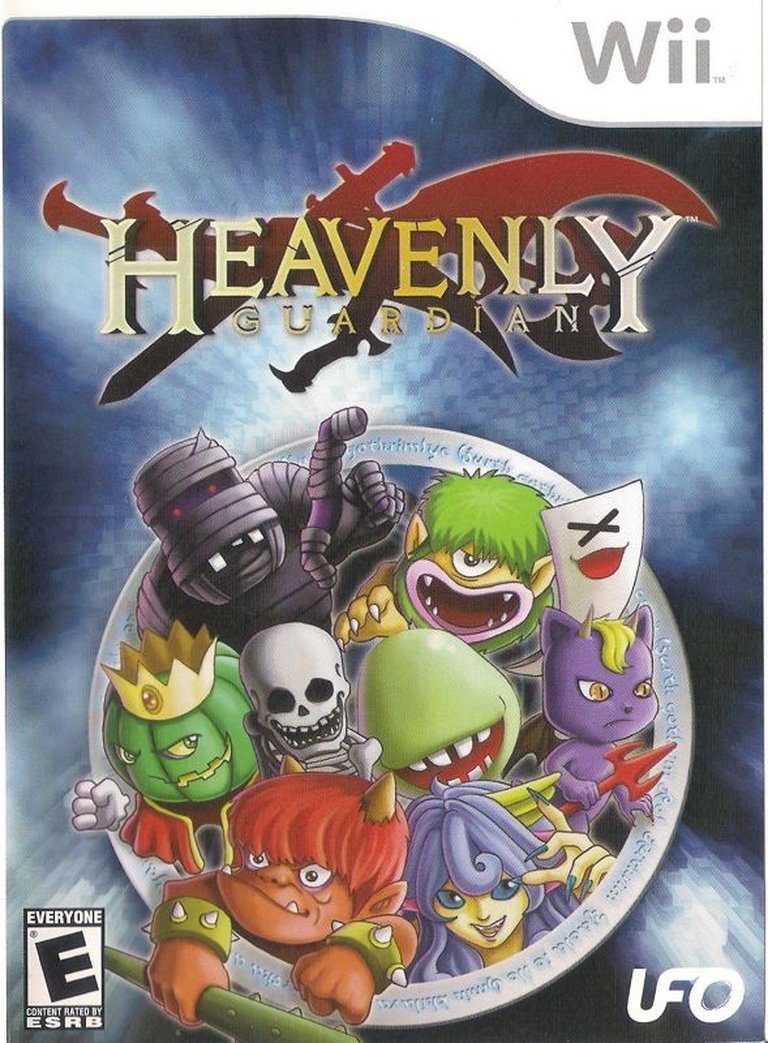
Description
Heavenly Guardian is a fantasy 2D scrolling shooter where protagonist Sayuki, a snow battle princess, embarks on a quest to save her beloved from a deadly curse by gathering special ingredients across snowy realms filled with ghosts and enemies. Accompanied by her pet snow rabbit Toto, which fires freezing shots, players control Sayuki (or her sister Koyuki in multiplayer) in fast-paced action, destroying foes and collecting snowballs in single-player or competitive two-player modes, reminiscent of the Pocky & Rocky series.
Gameplay Videos
Heavenly Guardian Reviews & Reception
metacritic.com : This is not the 16-bit throwback you’re looking for.
ign.com (40/100): Sometimes old school is just… well, old.
gamespot.com (30/100): This 2D action game proves that you can’t go home again.
Heavenly Guardian: Review
Introduction
In the twilight of the seventh console generation, as sprawling 3D blockbusters dominated shelves, a peculiar gem—or rather, a frosty snowball—rolled onto the Wii and PlayStation 2: Heavenly Guardian. Born from the ashes of a canceled sequel to Taito’s cult-classic Pocky & Rocky (known as Kiki KaiKai in Japan), this scrolling shooter promised a nostalgic return to top-down, shrine-maiden-versus-youkai action. Yet, what emerged was a rethemed spiritual successor starring snow goddesses amid wintery wastelands, battling ghosts and demons. As a game historian, I see Heavenly Guardian as a poignant artifact of corporate upheaval and indie-like ambition in a major studio’s hands—a noble but flawed echo of 16-bit glory that captures both the charm and pitfalls of retro revivalism. My thesis: While its innovative snowball mechanics and co-op competition inject fresh ice into the genre, interminable levels, unpolished design, and a license-loss hangover doom it to cult obscurity rather than revivalist triumph.
Development History & Context
Starfish-SD Inc., a Japanese developer with roots in ports and sequels like Classic Action: Devilish and contributions to Fatal Fury, envisioned Heavenly Guardian (Japanese: Yukinko Daisenpuu ~Sayuki to Koyuki no Hie-Hie Daisoudou~, or “Snow Girls Winter Blast”) as the next chapter in Taito’s Kiki KaiKai lineage. Initially pitched as Kiki KaiKai 2 for GameCube, it pivoted to PS2 exclusivity before targeting Wii amid Nintendo’s motion-control revolution. Tragedy struck in 2005 when Square Enix acquired Taito, yanking the license due to “issues” (as UFO Interactive’s spokesperson vaguely noted). Undeterred, director Swan, project lead Tsubura Nakajima, and a 27-person team—including character designer Kazuyuki Yoshizumi and composer Masahiro Fukuzawa—rebuilt it from the ground up.
The rework was drastic: Early Kiki Kai World prototypes retained a blue-recolored miko heroine and Japanese folklore vibes, but to evade legal snares, they overhauled graphics, swapped Shinto themes for a snowy fantasy realm, and introduced snow goddesses Sayuki and Koyuki. Technological constraints of 2007 Wii/PS2 hardware—limited to 2D scrolling without 3D flair—mirrored the SNES era it emulated, but motion controls added Wii-specific pointer aiming (“FlameIN” mode). Released December 20, 2007, in Japan (Wii only, self-published by Starfish-SD), it hit NA PS2/Wii via UFO Interactive in early 2008 and EU via 505 Games later that year. Later ports (PS3 2013, Switch/PS4/PC 2018-2019 as Snow Battle Princess Sayuki) reflect enduring niche appeal amid the indie shooter boom.
This era’s landscape was brutal for 2D shooters: Wii favored casual party games, PS2 clung to budget bins post-360/PS3 launch, and retro revivals like Geometry Wars thrived on Xbox Live Arcade. Heavenly Guardian arrived as a budget title ($10-30 used today), squeezed between Pocky & Rocky‘s cult fandom and modern indies, its license drama symbolizing how buyouts stifled sequels in pre-crowdfunding days.
Narrative & Thematic Deep Dive
Heavenly Guardian‘s dual narratives—diverging by mode—offer whimsical fantasy laced with subtle pathos, though shaky localization and brevity undermine depth. In single-player, Sayuki, a shunned snow goddess, quests to cure her village boy beloved’s “curse” (revealed as paralysis, necessitating a two-playthrough full game like Ghosts ‘n Goblins). Accompanied by pet snow rabbit Toto, she gathers eight ingredients across eight stages, traversing snowy villages to demon lairs. Themes of forbidden love echo folklore prejudices against ethereal beings, with Sayuki’s determination challenging isolation—a tragic romance glimmering amid bullet-hell chaos.
Multiplayer flips to rivalry: Sayuki and sister Koyuki vie in a Snow Goddess Tribe beauty contest via a destructive race—who slays more ghosts, hoards more snowballs? This competitive framing turns co-op into versus-lite (split-screen scoring), subverting shooter norms for sibling banter. Dialogue is sparse, manga-inspired cutscenes deliver cute quips (“Hie-hie daisoudou!”—a punny “freezing commotion”), but English ports suffer clunky translation, flattening emotional beats.
Thematically, it grapples with legacy: As a Pocky & Rocky heir, it inherits youkai battles but pivots to winter horror (mummies, witches, jack-o’-lanterns), blending folklore with gelatinous oddities. Plot twists demand replays, critiquing curse tropes, yet the story’s shallowness—plot-driven fetch quests—feels like padding for eight lengthy levels. Characters shine: Sayuki’s grace, Koyuki’s spunk, Toto’s utility evoke Pocky‘s Becky, but lack iconic spark, mirroring the game’s identity crisis post-rework.
Gameplay Mechanics & Systems
At core, Heavenly Guardian is a diagonal-down 2D scrolling shooter: Free-roaming movement (Wii Nunchuk/PS2 analog) lets Sayuki/Koyuki dodge in 360 degrees while firing ofuda-like projectiles. Innovation lies in the snowball economy: Defeat frosty foes or freeze-then-shatter enemies for snowballs, spent on wind gusts (5 balls, freezes projectiles/foes) or Toto’s homing freeze (20 balls). This resource loop rewards aggression—freeze clusters for combos, snowball refunds, high scores—adding strategy absent in vanilla Pocky blasts.
Power-ups mirror Pocky & Rocky with Becky: Default rapid-fire upgrades via color-matched crystals (x5 max, from peashooter to barrage); homing, spread, or explosive bombs. Health extends to 8 hits (lost on death), but game overs reset progress harshly. UI is minimalist—MobyGames specs note 1-2 player split-screen, Boss Attack mode unlocks post-boss—but cluttered scoring obscures snowball counts.
Flaws abound: Levels drag (overlong, per Joystiq), enemy patterns feel “canned” (IGN), bosses repeat tediously (four encounters pre-ending, plus rush). Wii pointer shines for independent aiming (Z-toggle or always-on), but PS2 locks to facing direction, feeling archaic. Multiplayer’s contest mode incentivizes rivalry, yet same-screen chaos amplifies frustration. No melee (unlike Pocky) shifts to pure shooting, but weak base weapons demand upgrades, punishing restarts. It’s resourcefully tense yet tediously punitive—a bold evolution hampered by unrefined pacing.
World-Building, Art & Sound
Snow-draped Japan-inspired realms—from villages to haunted forests, mirror mazes, banshee haunts—craft a cohesive icy fantasy, yokai mingling with horror tropes (mummies amid pumpkins). Yet, inconsistent sprites betray rushed rework: Sayuki’s fluid animations contrast gelatin cubes’ awkward inserts, per Hardcore Gaming 101. 2D visuals evoke SNES but lack cohesion; early Kiki Kai World folklore art was stronger, budget cuts evident.
Atmosphere thrives on chill: Freezing mechanics visually pop, bosses like cloning mirrors or control-reversing banshees innovate. Sound design elevates—Mashiro Fukuzawa’s chiptune-orchestral score frosts peppy stages, ghostly wails amp dread. SFX crisp (snowball crunches, freezes), but repetitive loops grate in marathons. Collectively, they immerse in “hie-hie” chaos, yet mismatched enemies dilute yokai purity, contributing to a pretty but soulless throwback.
Reception & Legacy
Launch reception iced it: Critics averaged 47% (MobyGames)—PC Action’s 67% praised “hübsches Ballerspiel” simplicity; Joystiq’s 50% lauded visuals/controls but slammed restarts; IGN’s dual 40% called it “lifeless,” an “affront”; GameSpot’s 30% deemed it “charmless shadow.” Players averaged 2.9/5, echoing tedium. Commercially, budget-bin fodder (eBay $8-30), few copies sold amid Wii’s motion glut.
Legacy endures via ports (Snow Battle Princess Sayuki on Switch/PC/PS4), preserving it digitally. It influenced no direct successors but symbolizes license perils pre-Pocky & Rocky Reshrined (2022), which reclaimed the torch. In shooter history, it’s a cautionary tale: Ambitious amid indie droughts, but flaws (length, polish) eclipse innovation. Cult collectors cherish it; modern players skip for superior retroports.
Conclusion
Heavenly Guardian freezes a moment: Starfish-SD’s defiance against Square Enix’s grip birthed a snowball-flinging shooter brimming with co-op rivalry and freeze tactics, its snowy realms and dual tales evoking Pocky‘s spirit amid yokai whimsy. Yet, dragged by marathon levels, repetitive bosses, and identity flux, it thaws into frustration—a “noble but unimpressive” (HG101) relic. Verdict: Not history’s pinnacle, but a definitive 6/10 curio for shooter historians, warranting emulation for its what-if legacy. Dust off your Wii; just bundle up for the chill.