
- Release Year: 2011
- Platforms: Android, Blacknut, Dreamcast, iiRcade, iPad, iPhone, Linux, Macintosh, Nintendo 3DS, Nintendo Switch, Ouya, PlayStation 3, PlayStation 4, PS Vita, Wii U, Windows, Xbox One
- Publisher: Beyond Interactive, Inc., Bulkypix, DotEmu SAS, Focus Home Interactive SAS, JoshProd, The Digital Lounge, Worker Bee Inc.
- Developer: The Digital Lounge
- Genre: Action
- Perspective: Side view
- Game Mode: Single-player
- Gameplay: Platform, Puzzle elements, Shooter
- Setting: Futuristic, Sci-fi
- Average Score: 78/100
Description
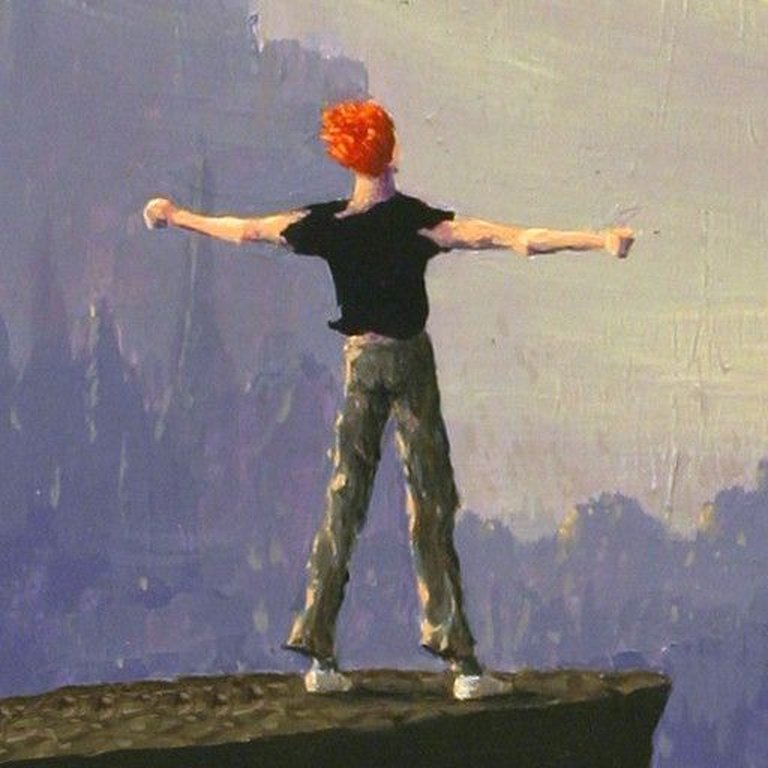
Another World: 20th Anniversary Edition is a remastered update of the classic 1991 sci-fi cinematic platformer Out of This World, where a young physicist is mysteriously transported from his laboratory to a dangerous alien planet teeming with hostile creatures and futuristic threats. Players navigate side-scrolling 2D environments, combining platforming, puzzle-solving, and shooter gameplay to survive and escape, now featuring higher-resolution reworked backgrounds, crisper animations, remastered sound effects, three difficulty modes, and the option to toggle original graphics.
Gameplay Videos
Where to Buy Another World: 20th Anniversary Edition
Another World: 20th Anniversary Edition Cracks & Fixes
Another World: 20th Anniversary Edition Guides & Walkthroughs
Another World: 20th Anniversary Edition Reviews & Reception
metacritic.com (80/100): the iOS version of Another World is flawless.
opencritic.com (73/100): Another World still feels like a great sci fi adventure after 25 years.
ign.com : Another World is a bad game.
Another World: 20th Anniversary Edition: Review
Introduction
Imagine a lightning bolt shattering the veil between worlds, hurling a lone scientist into a nightmarish alien realm where every shadow hides death and survival hinges on intuition alone—no tutorials, no hand-holding, just raw cinematic immersion. This is the electrifying hook of Another World (known as Out of This World in North America), Éric Chahi’s 1991 masterpiece that redefined video games as interactive cinema. The 20th Anniversary Edition, first launched on iOS in 2011 and ported across platforms from Android to Nintendo Switch by 2018, polishes this gem without diluting its revolutionary spirit. Featuring toggleable HD visuals, remastered audio, three difficulty modes, and faithful adaptations like touch controls or virtual D-pads, it stands as the definitive way to experience Chahi’s vision. My thesis: While its trial-and-error brutality and minimalist design feel unforgiving today, this edition cements Another World‘s legacy as a pioneering cinematic platformer, proving that bold artistry endures beyond technological constraints.
Development History & Context
Éric Chahi, a French programmer and artist with prior credits on Delphine Software’s Future Wars, crafted the original Another World solo over two grueling years starting in 1989, self-publishing through Delphine in Europe and Interplay in North America. Freed by royalties from his graphic design work, Chahi rejected editorial pressures, drawing from sci-fi epics like Dune and Hyperion, fantasy artists (Frank Frazetta, Richard Corben), manga (Dragon Ball‘s motion blur and energy attacks), and Star Wars blasters. Inspired by Dragon’s Lair‘s Amiga animations, he pioneered vector polygons on the Motorola 68000 processor—achieving 20 FPS on Amiga/Atari ST—using rotoscoping (filming himself) for fluid motion and assembly language for efficiency. Bitmapped backgrounds supplemented “pixigons” after laborious tests proved too slow.
The 1991 landscape was dominated by pixel-art platformers (Super Mario World incoming) and text-heavy adventures, but Chahi’s engine blurred gameplay and cutscenes seamlessly—no HUD, no dialogue—creating “rhythmic pacing” through improvisation. He built levels chronologically, infusing isolation from his solitary dev process, adding Buddy spontaneously for emotional depth. Facing delays, he story-boarded the rest, rejecting Virgin’s point-and-click pivot. Delphine rushed release sans full playtesting; Interplay added console ports (SNES, Genesis) with music tweaks Chahi fiercely defended via “infinite fax” and legal muscle.
The 20th Anniversary Edition, overseen by Chahi via The Digital Lounge/DotEmu, debuted on iPhone/iPad (Bulkypix, 2011) with HD-res (up to 2560×1600), subtler lighting, crisper polygons, remastered SFX by Jean-François Freitas (influenced by Back to the Future), and modes (Easy/Normal/Hardcore). Ports followed: Android (2012), PC/Mac (2013 via Steam/GOG, bundling 15th Ed.), consoles (3DS/Wii U/PS3/PS4/Vita/XOne, 2014; Switch, 2018). FMOD audio, original/HD toggle, and platform tweaks (e.g., PS cross-buy) honored the source amid mobile/console booms, replacing GOG’s 15th Ed. (2006, with DRM woes). Chahi’s exhaustion mirrors Lester’s finale, tagline: “It took six days to create the Earth. Another World took two years.”
Narrative & Thematic Deep Dive
Another World‘s plot unfolds wordlessly, a triumph of visual storytelling in an era of verbose RPGs. Protagonist Lester Knight Chaykin, a Ferrari-driving physicist, triggers a particle accelerator during a storm; lightning fuses particles, teleporting him to a brutal alien planet. Emerging from a pond, he flees a tentacled “Beast,” gets captured by humanoid aliens, imprisons with “Buddy” (a loyal, unintelligible alien), and escapes through prisons, caves, and towers—solving puzzles, battling foes, culminating in Lester’s mortal wound, Buddy’s rescue, and a dragon-ride horizon flight.
Themes pulse with isolation and unlikely bonds: Early loneliness (mirroring Chahi’s dev solitude) yields to symbiotic trust with Buddy, emphasizing mutual aid sans language. Sci-fi minimalism evokes dread—barren landscapes, predatory fauna—exploring hubris (man’s god-playing experiment) and survival’s poetry. No HUD/dialogue forces imagination; alien gibberish heightens otherworldliness. Open-ended finale (abandoned leader-Lester storyboard) preserves mystery, rejecting sequels to safeguard “magic.” Reviews praise its “energetic, thrilling” non-verbal energy (A.V. Club), like a “lost Heavy Metal segment,” blending pulp adventure with existential weight. Flaws? Abrupt deaths underscore fragility, but checkpoints enable persistence, turning frustration into cathartic rhythm.
Gameplay Mechanics & Systems
Core loop: Side-view 2D platforming/shooter/puzzler, blending run/jump/kick (unarmed start), environmental navigation, and laser combat post-tutorial pickup. Gun modes innovate—tap: rapid fire; short-hold: shield blocks shots; long-hold: charged blast shatters shields/walls—for rhythmic duels demanding timing/positioning. No health; instant death (projectiles, hazards, drowning—oxygen bar only UI) respawns at checkpoints (codes on old hardware; infinite modern). Puzzles demand observation: rock cages, timed leaps, Buddy co-op (e.g., switch-pulling).
Innovations shine: Cinematic integration (seamless cuts), trial-and-error mastery (no hints), momentum-based movement. Flaws persist—stiff rotoscope controls (invisible grid, dual jump buttons), glitches (shot-through shields), obtuse sequencing (FAQ bait). 20th Ed. mitigates via difficulties (Easy dumbs AI/shields; Hardcore amps peril), chapter select, controller support (PS4 excels; touch iffy). ~1-5 hours (vets blitz; newbies grind), replay slim bar achievements (PS/Xbox/Steam). UI? Absent genius—world tells all. Ports vary: Vita/3DS portable but lazy (no 3D); Wii U Gamepad off-TV; Switch faithful. Brutal yet addictive, evoking “achievement” (Day of the OUYA).
World-Building, Art & Sound
The alien planet—prisons, caves, towers—exudes oppressive futurism: Vector polygons craft paper-craft aliens/beasts, rotoscoped fluidity (Chahi’s footage) amid bitmapped vistas (HD: crisper edges/shading). Toggle original/HD reveals evolution; atmospheres mesmerize—stormy labs to bioluminescent horrors—fostering dread/beauty. No exposition builds enigma: Venus flytraps, dragon escapes imply rich lore.
Freitas’ score (3 toggles: original, CD-enhanced, remastered) layers tension—sparse synths, laser zaps, alien cries (goofy today)—immersing sans bombast. FMOD ensures polish; Amiga roots shine. Elements synergize: Visuals/sound rhythm survival, evoking Prince of Persia grace amid peril. Ports upscale faithfully (PS4 HD pinnacle; 3DS compressed), atmosphere undiminished.
Reception & Legacy
Original sold ~1M (1990s), acclaim as “visionary” (Eurogamer): Amiga #1 1992 (Amiga World), innovative (EGM). Consoles added music/prologues; critics lauded cinematics, rued shortness.
20th Ed.: Moby 70% critics (App Spy 100%: “intriguing”; IGN 40%: “terrible controls”), 3.7/5 players. Highs: Preservation (Nintendo Life: “ultimate version”); lows: Dated frustration (Retro Spirit: “obnoxious garbage”). Metacritic: iOS 80, Switch 75, PS4 53. Evolved as retro edutainment—MoMA art (2012), NAVGTR nom.
Influence profound: Flashback, Ico (Ueda), Metal Gear Solid (Kojima), Silent Hill (Toyama’s fear genesis), Suda51’s fave. “Buddy” iconic sidekick (GameSpot #3); Beast #6 monster; gun #86 weapon. Spiritual heir Heart of Darkness. Fan films underscore cult status. Ports (Jaguar 2013 collector’s) preserve history.
Conclusion
Another World: 20th Anniversary Edition masterfully revives Chahi’s solo symphony—cinematic minimalism, vector artistry, tense symbiosis—via HD polish and options, without compromising one-hit purity. Its flaws (frustration, brevity) are era artifacts, rewarding patient historians over casuals. Definitive verdict: Essential hall-of-famer, 9/10—a blueprint for indie artistry, proving games as evocative art. Play it; teleport to 1991’s bold frontier.