
- Release Year: 2022
- Platforms: Windows
- Publisher: TiernanGames
- Developer: TiernanGames
- Genre: Adventure
- Perspective: 1st-person
- Game Mode: Single-player
- Gameplay: Puzzle elements
- Average Score: 88/100
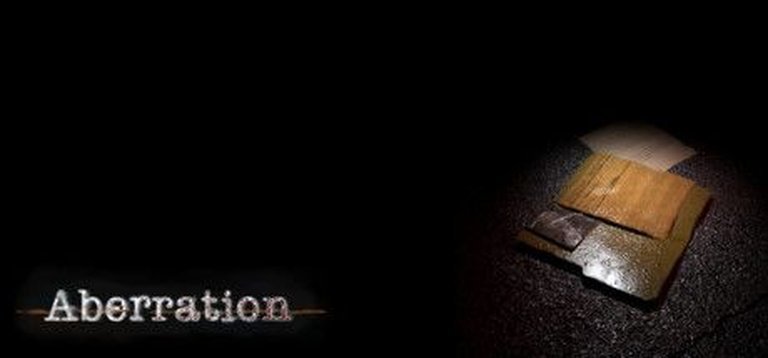
Description
Aberration is a cooperative board game for 1-4 players set in the Grim Hollow universe’s Bürach Empire, where players defend the village of Altenheim from aberrated monsters spawned by the Great Beast using an Action Cube mechanic—drawing colored cubes from a bag to perform actions on individual player boards amid tower defense elements, fires, towers, and monster threats, all without a Game Master, app, or campaign mechanics.
Gameplay Videos
Where to Buy Aberration
PC
Aberration: Review
Introduction
In the shadowed corridors of indie gaming, where forgotten mansions whisper secrets and farmyards hide unspeakable horrors, Aberration emerges as a chilling reminder of the point-and-click adventure’s enduring allure. Released in January 2022 by solo developer TiernanGames (operating under the banner CassowaryStudios), this compact thriller casts players as Detective Nick Stone, unraveling a murder mystery across decrepit locales that blur the line between investigation and personal nightmare. Though overshadowed by flashier horror releases and a namesake board game adaptation in the Grim Hollow universe, Aberration‘s legacy lies in its unpretentious craft—a taut, atmospheric puzzle experience that punches above its weight in suspense but stumbles on technical polish. My thesis: Aberration is a commendable indie debut that revives classic point-and-click tension for modern audiences, earning a firm recommendation for genre enthusiasts despite its brevity and launch bugs, cementing TiernanGames as a voice worth watching in narrative-driven horror.
Development History & Context
TiernanGames, a one-person operation led by the pseudonymous CassowaryStudios, poured a “10-month journey of development” into Aberration, launching it on Steam on January 17, 2022, for a modest $4.99. This labor of love reflects the indie ethos of the early 2020s, a post-pandemic era flooded with Unity-powered horror titles amid the rise of accessible engines and platforms like Steam. The developer explicitly framed it as a “nice, short and meaningful experience,” prioritizing streamlined mechanics over sprawling ambition—left-click to examine, right-click to interact, eschewing contextual menus for pure intuition.
The technological constraints were minimal thanks to Unity, enabling stylized 3D visuals and free-camera 1st-person exploration on modest hardware (Intel Core i5 7th Gen minimum). Yet, the 2022 landscape was brutal: indie adventures competed with viral hits like Doki Doki Literature Club Plus! and cozy revivals like Unpacking, while horror surged with Inscryption and The Quarry. Point-and-clicks, once giants via LucasArts and Sierra, had niche appeal, echoing resurgences in Return to Monkey Island (2022) but lacking AAA marketing. TiernanGames’ vision—story-driven puzzles in eerie, misdirecting environments—drew from classics like Myst or modern indies like Rusty Lake’s Lynchian shorts, but without a publisher, visibility hinged on word-of-mouth. Post-launch, CassowaryStudios engaged actively in Steam forums, teasing patches and a “more hands-on” sequel in pre-production, signaling iterative growth amid bug reports that plagued early playthroughs.
This context underscores Aberration‘s scrappy triumph: born in isolation, it embodies solo dev resilience, navigating Steam’s algorithm jungle without hype, much like contemporaries such as Paratopic (stylized unease) or Slay the Princess (narrative rabbit holes).
Narrative & Thematic Deep Dive
At its core, Aberration weaves a detective thriller starring Nick Stone, a hardened investigator thrust into a “shocking murder” that spirals into psychological dread. The plot unfolds linearly across three pivotal locations: the creaking halls of an abandoned mansion (secrets “buried in the walls”), a muddied farm property (haystacks concealing horrors), and Stone’s own eerie quiet house—a masterful crescendo blending external mystery with intimate violation. Dialogue is sparse but punchy, delivered through environmental storytelling and internal monologues, emphasizing observation: “Look for the out of place. Listen out for creaking footsteps that aren’t yours.”
Thematically, Aberration delves into misdirection and paranoia, subverting player expectations in a rabbit hole of suspense. The murder investigation masks deeper personal stakes—hints of Stone’s unraveling psyche via household artifacts suggest guilt, addiction (medication, alcohol, smoking), or supernatural intrusion. Mature elements like blood, firearms, dynamite, and coarse language amplify thriller tropes, evoking noir detectives like Sam Spade trapped in Silent Hill‘s domestic hell. Characters are archetypal yet evocative: Stone as the flawed everyman, antagonists implied through clues (e.g., farmyard carnage, mansion hauntings). Puzzles integrate narrative organically—telescope stargazing for constellations, safe combinations from overlooked ledgers, rotating mechanisms symbolizing fractured memories—culminating in revelations that twist reality.
Undergirding this is a meditation on isolation and the uncanny: the mansion’s decay mirrors institutional failure, the farm’s muck evokes rural rot, and home’s silence weaponizes familiarity. No voice acting heightens immersion, letting ambient unease carry the load. While concise (likely 2-4 hours), the script’s economy rivals What Remains of Edith Finch, rewarding replay for missed audio cues like phantom steps, though linearity limits branching paths.
Gameplay Mechanics & Systems
Aberration‘s loops revolve around exploration-puzzle-solving cycles, distilled to elegant point-and-click purity in 1st-person free camera. Core progression: scour scenes for interactables, solve environmental riddles to unlock areas/narrative beats, advancing the mystery. No inventory clutter—clues feed directly into logic puzzles, fostering “think outside the box” eureka moments.
-
Puzzle Variety: Standouts include telescope alignment (constellation matching amid starry misdirection), safe-cracking (code from disparate clues), rotating house-end puzzles (spatial manipulation), axe/light bulb interactions (resourceful tool-use), and shed access (progression gates). These blend logic (pattern recognition), observation (audio/visual cues), and narrative integration, with thriller pacing—false leads build tension.
-
Combat/Progression: Absent traditional combat; “action” is intellectual, with firearm/dynamite as plot devices. Character growth is narrative-driven—no RPG stats, just Stone’s evolving insights.
-
UI/Controls: Streamlined brilliance—no HUD obstruction, direct L/R clicks promote fluidity. Yet, flaws emerge: launch bugs (telescope glitches, axe failures, rotating puzzle stalls, light bulb issues, Chapter 2 stalls) frustrated players, per Steam forums. Patches addressed some, but iteration feels ongoing.
Innovations shine in audio-reactive puzzles (footsteps guiding searches) and misdirection layers (red herrings like irrelevant hay bales), but repetition in location-scouring and short length curb depth. Accessibility options are basic, suiting casual play, though no hints system risks softlocks for novices.
World-Building, Art & Sound
Aberration‘s world is a triumph of stylized minimalism, crafting immersive dread from sparse assets. The abandoned mansion drips gothic decay—peeling wallpaper, dust-moted beams, wall-embedded horrors evoking Layers of Fear. Farm property contrasts with visceral grit: rain-slick mud, bloodied hay, lurking shadows fostering agoraphobic tension. Stone’s house subverts safety, its “eerie quiet” pierced by unnatural creaks, building claustrophobic climax.
Visual direction employs Unity’s cel-shaded 3D for atmospheric pop—moody lighting casts long shadows, free camera encourages lingering scrutiny. Art style is “stylized” per tags, blending realism with abstraction for unease, akin to Control‘s brutalism but intimate.
Sound design elevates: ambient mastery—distant footsteps, creaking floors, muffled winds—creates paranoia without jump scares. No score dominates; subtle stings punctuate reveals, with coarse voice logs adding grit. These elements synergize for psychological immersion, where audio cues are puzzles themselves, amplifying themes of isolation far beyond visuals.
Reception & Legacy
Launch reception was whisper-quiet: no MobyScore, zero critic reviews on MobyGames/Metacritic/OpenCritic. Steam’s 8 user reviews yield 88% positive (7/8), praising atmosphere/story but noting bugs (“short but meaningful”). Forums buzzed with troubleshooting (e.g., “Chapter 2 can’t find anything,” safe combos), dev responsiveness fostering loyalty—CassowaryStudios announced patches, teasing sequels.
Commercially obscure (1 MobyGames collector, low Steam peaks), its reputation evolved modestly: Backloggd/Steambase note niche appeal, no viral breakout. Influence is nascent—inspires indie point-and-clicks like The Berlin Apartment (forum echoes), but confusion with Ghostfire’s Grim Hollow Aberration board game (2023 Gamefound crowdfund, BGG threads) dilutes visibility. Historically, it slots into 2020s indie thriller revival (Rusty Lake parallels per Kotaku), proving solo devs can craft evocative shorts, paving TiernanGames’ path amid Unity indiefest.
Conclusion
Aberration distills point-and-click essence into a suspenseful, puzzle-rich thriller, excelling in atmospheric world-building, narrative misdirection, and intuitive mechanics while faltering on bugs and brevity. TiernanGames delivers a haunting detective tale that lingers like unexplained footsteps, meriting 8/10 for fans of Machinarium or Samorost. Not a pantheon entry like The Witness, but a hidden gem affirming indie’s power—play it, solve it, and await the dev’s bolder horizons. In video game history, it endures as a testament to solitary vision in a crowded crypt. Final Verdict: Essential for puzzle aficionados; a quiet classic in waiting.