
- Release Year: 2013
- Platforms: Android, Windows
- Publisher: Advanced Mobile Applications Ltd, Shinypix SARL
- Developer: Shinypix SARL
- Genre: Simulation
- Perspective: Diagonal-down
- Game Mode: Single-player
- Gameplay: Business simulation, City building, construction simulation, Managerial
- Average Score: 50/100
Description
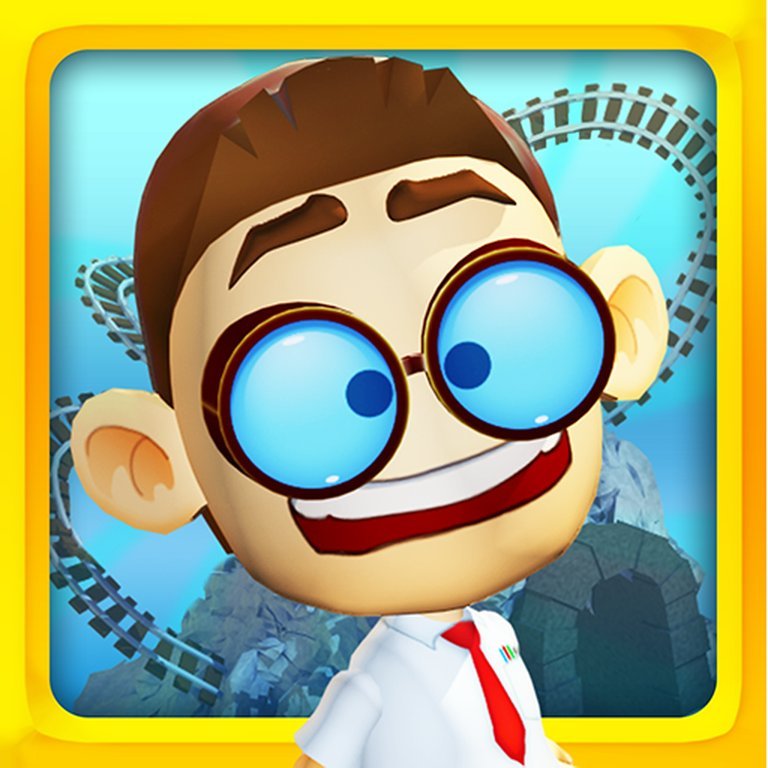
Geek Resort is a city-building and managerial simulation game where players create, customize, and manage a geek-themed theme park, constructing and upgrading attractions while handling finances, hiring staff, maintaining cleanliness, and defending against random catastrophes like zombie invasions or hack attacks to satisfy high geek standards and build the ultimate paradise.
Where to Buy Geek Resort
PC
Geek Resort Reviews & Reception
metacritic.com (40/100): Geek Resort is a tycoon-style park creation title with an overall fun art-style; it’s simply let down on its reliance of in-app purchases to drive its gameplay, and a few obvious bugs.
alphasignalfive.wordpress.com : The theme park builder with real geek appeal for mobile and tablet.
Geek Resort: Review
Introduction
Imagine constructing a theme park where lightsabers whirl alongside mecha battles, elves mingle with superheroes, and every corner pulses with the electric hum of pixelated nostalgia—welcome to Geek Resort, a 2013 mobile simulation that dared to bottle the chaotic joy of geek culture into a tycoon empire-builder. Released initially on Android amid the freemium boom, it later clawed its way to Steam in 2016, embodying the era’s mobile-to-PC port trend. As a historian of simulations from Theme Park to RollerCoaster Tycoon, I find Geek Resort a quirky footnote: a heartfelt homage to fandoms that stumbles under its own ambitions, delivering addictive park-crafting highs laced with freemium frustrations. My thesis? It’s a cult curiosity for genre enthusiasts, capturing geek essence in bite-sized management but forever hampered by shallow depth and monetization woes, cementing its place as an underdog rather than a titan.
Development History & Context
Geek Resort emerged from Shinypix SARL, a modest French studio navigating the explosive mobile gaming landscape of the early 2010s. Founded amid the Android/iOS gold rush, Shinypix leveraged middleware like Marmalade for cross-platform efficiency, releasing the game on December 19, 2013, for Android under publishers Advanced Mobile Applications Ltd and themselves. The credits list 46 contributors—40 developers and 6 in thanks—revealing a lean operation heavy on marketing and sales muscle: names like President/CEO Christian Guillemot (echoing Ubisoft royalty), Head of Production Guillaume Campion, and a roster of sales managers (Gary Kashefska, Ovidiu Husarencu) and assistants from Romania suggest outsourced support for a core French team. Game Designer Laurent Brossard shaped its geeky core, while Producer Marine Fradet and Product Manager Marie-Anne Denis handled the freemium pivot.
The era’s technological constraints were forgiving for mobile: diagonal-down perspective via point-and-select interface suited touchscreens, with low specs (later PC ports demanded only Intel 2.0 GHz, 1GB RAM, Intel HD 3000). Gaming contextually, it rode the tycoon revival post-SimCity (2013 reboot flop) and amid hits like The Simpsons: Tapped Out, which popularized “check-in” freemium loops. Shinypix’s prior works (Yeti On Furry, Hills of Glory 3D, Babel Rising 3D) hinted at simulation chops, but Geek Resort was their geek-infused swing at evergreen appeal. The 2016 Windows port (Steam App ID 370560, $4.99) via self-publishing targeted PC loyalists, adding Steam Cloud, Trading Cards, and Family Sharing, yet faced XP incompatibility gripes in forums. Vision-wise, it was a “gotta catch ’em all” park builder for BIOS-deep geeks, but freemium demands (Geektonite IAP) reflected desperate monetization in a crowded app store.
Narrative & Thematic Deep Dive
Geek Resort eschews traditional plotting for emergent storytelling through management crises, positioning you as an omnipotent park mogul safeguarding a geek utopia. No linear campaign exists; instead, progression unfolds via escalating park sizes and “mini-missions”—random catastrophes like zombie invasions, hack attacks on ticket gates, or power failures that demand quick fixes, echoing Spider-Man’s mantra: “with great power comes great responsibility.” Dialogue is sparse, limited to staff reports or geek chatter (“BAZINGA!” nods in Steam forums), but characters shine as collectible “geeks in cosplay outfits, each more original than the last.” Blog reviews note 25+ types unlocked via theme combos, from sci-fi stormtroopers to anime otakus, fostering a Pokédex-like compulsion: “Gotta catch ’em all!”
Thematically, it’s a love letter to geekdom’s silos—five core universes (sci-fi, tech, anime, fantasy, comic book) packed with references (lightsabers? Mechs? Capes?) inviting eagle-eyed fans to “spot all the references.” Nuclear power vs. “geek-approved” solar evokes ethical dilemmas: cheap but unpopular energy mirrors real-world fandom debates on commercialization. Progression narratives emerge organically—start with basic rides, balloon to mega-parks, balancing income/expenditure amid litter and breakdowns. Flaws abound: repetitive hacks feel punitive, lacking narrative variety, and no deep lore (unlike Bethesda’s wikis). Yet, its themes resonate as a meta-celebration of simulation fandoms (Theme Park, The Sims), where building satisfaction trumps scripted drama, though freemium gates (Geektonite for rares) underscore capitalism’s intrusion on paradise.
Gameplay Mechanics & Systems
At its core, Geek Resort is a taut city-building/managerial sim loop: acquire land, plop rides/statues, optimize layouts for geek influx, then micromanage to profitability. Point-and-select shines on mobile—tap to buy/place themed attractions (e.g., sci-fi rollercoasters), upgrade for higher tickets, and watch diagonal-down parks teem with visitors. Progression tiers via cash from entries, spent on staff (janitors for litter-taps, mechanics for fixes), energy (nuclear cheap/geek-hated vs. eco-friendly), and expansions. Innovation lies in geek-matching: sci-fi + comic draws hybrid fans, unlocking 25+ types for collection bragging. Catastrophes inject chaos—zombies horde, hacks stall gates—forcing hires or Geektonite spends (freemium currency mined from parks or bought).
UI is intuitive yet clunky: clean maps for placement, satisfaction meters for tweaks, but PC ports lag windowed mode requests and XP fails. Character progression? Indirect via park levels; no RPG trees, just empire growth. Flaws mar depth: repetitive missions (endless hacks), basic economy (easy to snowball post-midgame), and IAP pressure for speed-ups/rares. Blog critiques nail it—addictive check-ins like Tapped Out, but “limited” sans promised updates (more themes?). Strengths: tactile joys (tap litter!), energy puzzles, social sharing. Overall, solid loops for casual tycooning, undermined by freemium grind and unpolished edges.
World-Building, Art & Sound
The game’s world is a vibrant pastiche of geek multiverses, diagonal-down vistas sprawling from humble lots to neon-lit sprawls dotted with mechs, dragons, and web-slingers. Atmosphere thrives on specificity: cosplay geeks swarm attractions, nerding over statues (Sims-esque decor boosts morale), while catastrophes shatter idyll—zombies lurching past holograms. Visual direction charms with cartoonish flair—bold colors, exaggerated silhouettes evoking Theme Park—but feels “basic and clunky” per reviews: low-poly models, occasional bugs (unfixed rides), no widescreen/AA on PC. Five themes build immersion, promising expansions unfulfilled.
Sound design is understated: bubbly SFX for taps/upgrades, upbeat chiptune-esque BGM nodding retro geeks, with multilingual support (English, French, etc.) for global appeal. No voice acting, subtitles minimal; audio reinforces managerial zen punctuated by alarm blares. Collectively, elements craft a cozy, referential sandbox—atmosphere peaks in thriving parks, geeks fist-pumping rides—but clunk betrays mobile roots, lacking polish for immersion.
Reception & Legacy
Launch reception was muted: Android/iOS sparse, with 148Apps scoring 40/100 (March 2014) slamming IAP reliance and bugs amid “fun art-style.” MobyGames lacks scores/reviews; Metacritic tbd. Steam’s 2016 PC debut fares “Mixed” (54% positive from 11 reviews, 58/100 player score via Steambase), forums griping launch crashes, no windowed mode, XP woes—yet some praise geek nods (“BAZINGA!”). Blogs like Alpha Signal Five laud addictive building (“worth losing hours”), critiquing limits/freemium but urging plays for sim fans.
Commercially niche (collected by 2 MobyGames players, low Steam owners), legacy endures as forgotten mobile curio. No industry influence—overshadowed by Planet Coaster (2016)—but nods in tycoon evolutions (Two Point Hospital) echo its managerial whimsy. Reputation evolved from freemium novelty to cult obscurity; no patches post-2016, it’s a relic of 2010s mobile ports, preserved via Steam but uncelebrated. As historian, it influences indie sims’ fandom twists, yet fades against giants.
Conclusion
Geek Resort distills tycoon joy into geek-flavored bites—building nerd Edens amid zombie sieges, collecting cosplayers like rare cards—yet crumbles under freemium bloat, repetitive loops, and unrefined execution. Shinypix’s vision shines in thematic depth and tactile highs, but shallow systems and abandonment cap its potential. In video game history, it slots as a charming footnote: essential for simulation completists craving Theme Park with capes, but no pantheon entrant. Verdict: 7/10—play for the references, forgive the glitches; a geeky gem demanding rediscovery.