
- Release Year: 2009
- Platforms: Windows
- Publisher: CINEMAX, s.r.o.
- Developer: CINEMAX, s.r.o.
- Genre: Role-playing (RPG)
- Perspective: Diagonal-down
- Game Mode: Single-player
- Gameplay: Auto-mapping, Open World, Real-time combat, Spellcasting
- Setting: Fantasy
- Average Score: 64/100
Description
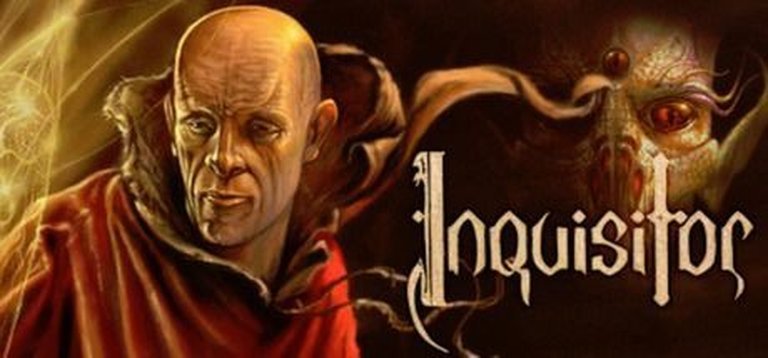
Inquisitor is a fantasy role-playing game set in the dark land of Ultherst, where players embody an inquisitor hunting heretics by collecting evidence of crimes against God, leading to torture or burning at the stake. With three classes—paladin, priest, and thief—it blends inquisition-themed quests with classic RPG elements like real-time isometric combat against monsters, looting treasures, NPC dialogues, and exploration of an open world featuring surface areas and dungeons, supported by over 200 weapons, 80 spells, and seven schools of magic.
Where to Buy Inquisitor
Inquisitor Patches & Updates
Inquisitor Guides & Walkthroughs
Inquisitor Reviews & Reception
metacritic.com (64/100): Mixed or Average.
ign.com : A fascinating investigative premise with a bit too much handholding.
rpgwatch.com : Inquisitor is a difficult game to review. It’s very long.
Inquisitor Cheats & Codes
PC
Press ~ (tilde) during gameplay to open the console prompt, then type the commands.
| Code | Effect |
|---|---|
| givenewitem * | Adds the desired item to inventory |
| givemoney # | Increases money by the specified amount |
| addexp # | Increases experience by the specified amount |
| addskillpts # | Increases skill points by the specified amount |
| addattribpts # | Increases attribute points by the specified amount |
| addbeing_afriend being -1 -1 | Adds being to map at player position |
| tdolby | Uses science skill to affect enemy vision, if female character |
| givenewitem kamenmudrcu | Adds a magical box |
| transferplayer map 0 0 | Transfers to world map |
| heal | Heals HP, stamina, mana and resets status effects |
Inquisitor: Review
Introduction
In the shadowed annals of RPG history, few titles evoke the grim specter of medieval fanaticism quite like Inquisitor, a 2009 isometric RPG that thrusts players into the blood-soaked robes of a divine enforcer. Imagine a world where heresy isn’t just metaphor—it’s a tangible plague, punishable by rack, iron maiden, or pyre—and you’re the one wielding the instruments. Developed over a torturous decade by a small Czech team, Inquisitor emerged from obscurity to claim a niche legacy as an unapologetically hardcore experience, blending detective intrigue with Diablo-esque hack-and-slash in the fictional kingdom of Ultherst. Its thesis? A bold fusion of investigative depth and apocalyptic fantasy that shines in narrative ambition but stumbles in mechanical execution, cementing it as a cult artifact for old-school RPG masochists rather than mainstream triumph.
Development History & Context
Inquisitor‘s genesis traces back to 1999, when Wooden Dragon—a fledgling Czech studio—was founded specifically to birth this project, bankrolled by publisher Cinemax s.r.o. Led by writer and director Johan Justoň, the team envisioned a RPG steeped in Umberto Eco’s The Name of the Rose: a dark medieval tapestry of ecclesiastical intrigue, where players embody the Inquisition amid omens of apocalypse. Initial hype pegged a 2001 launch, delayed to 2002 amid scope creep, only to balloon into a 10-year odyssey due to technological hurdles and perfectionism.
The era’s constraints were brutal. Pre-World of Warcraft dominance, isometric RPGs like Baldur’s Gate II (2000) and Diablo II (2000) ruled, but indie devs lacked Unity or Unreal Engine polish. Cinemax coded from scratch on Windows, yielding hand-drawn 2D assets amid real-time combat demands. Programming by Michal Pavlíček and Vít Kovalčík grappled with auto-mapping, screenshot capture, and a sprawling open world of surface areas and dungeons. Graphics by Vojtech Pecka, Martin Vocet, and Erik Codl (artistic design) prioritized atmospheric detail over fluidity, while Martin Linda’s organ-inspired score evoked Renaissance dread.
The 2009 Czech release landed in a post-Warcraft III landscape craving depth amid rising MMOs and World of Warcraft clones. English localization took three more years—polished by proofreaders like Lee Bishop and Zsolt Brechler—debuting on GOG.com in 2012 and Steam (Greenlit 2013) for $5-15. Cinemax’s vision: a 100-hour epic with 200+ weapons, 80 spells across seven magic schools (including forbidden Infernal/Heretical/Pagan), and 90+ monsters. Yet bugs, uneven translation, and no patches marred it, reflecting indie grit in a AAA-saturated 2009 scene dominated by Dragon Age: Origins.
Narrative & Thematic Deep Dive
Inquisitor‘s plot is a masterclass in black-and-gray morality, unfolding across three acts in Ultherst—a plague-ravaged realm where Saint Ezekiel’s prophecy heralds doom via meteors, undead, and demons. Protagonist Maxmilian Conti (default name, customizable) arrives in Hillbrandt to probe merchant Kurth Ollmier’s murder, unraveling a web of noble deceit: Linda von Callagan confesses under duress, fingering Bishop Vallarian, who summoned demon Arthamon for an apocalyptic cult. Vallarian burns, but clues point to a deeper conspiracy.
Act II shifts to Glatzburg, enlisting priest Trevorius (soon murdered) against Cardinal Truncquillius, who births demon Bafomet. Act III culminates in capital Alvaron post-King’s death, battling demons (Arthamon, Bafomet, Cerdie) to confront Archbishop Laurentius. Branching finale: join the cult (slay knight Christoffer, defeat Archangel Gabriel, revive Prince Louis for dystopian order) or thwart it (kill Laurentius/Azrael, restore Louis amid papal crusade—Conti’s fate ambiguous).
Characters embody thematic tension: Vallarian’s Knight Templar zeal masks cult ties; Trevorius aids piously before betrayal; companions like Olfghard (barricaded father) or pteremon (hell-escaped soul) add flavor. Dialogue trees—walls of text, per critics—delve into hypocrisy, with NPCs like Enrie (fortune-teller) or Dieter (missing girls quest) layering intrigue. Evidence notebooks log testimonies/items, enabling deductions, but linearity frustrates (e.g., torture yields scripted confessions).
Themes probe Inquisition horrors: cold-blooded torture as mechanic (karma impacts evil paths), right-hand-vs-left-hand schisms (Paladins vs. Inquisitors), and forbidden magics thriving despite lore bans. Eco’s influence shines in deductive heresy hunts amid famine/plague, questioning piety vs. power. Predictable twists (cult reveals telegraphed) and ramble-y soliloquies dilute maturity, yet the moral ambiguity—innocents burn on false evidence—elevates it beyond Diablo clones, earning GameBanshee’s Best Story 2012.
Key Quests Illustrating Depth
- Murder in the Tavern (Act I): Beggar Flitz, blade at Gwen’s grave, Quentinus’ autopsy—arrest/torture Riemann/Vallejan.
- Missing Girls (Act II): Dieter’s bribe uncovers Rowan van Leerin’s cult lair.
- Owner of the Letters (Act III): Torture Verenicus, testimonies from Kathryn’s spirit/Downay/Sven expose Jean de Guise.
Seamless overlaps (e.g., Rashgar’s head aids Baroness rescue) weave 50+ quests into prophecy fulfillment.
Gameplay Mechanics & Systems
Core loop: explore isometric open world (diagonal-down, real-time with pause), converse/investigate towns, dungeon-crawl for evidence/loot, arrest/torture/burn, progress via levels. Classes—Paladin (melee/tank), Priest (magic), Thief (stealth/noble)—start with 5 attributes (Strength/Dex/Int/Con/Speed), 4-tier skills (e.g., Priest Authority for NPC sway).
Combat: Diablo-like but flawed—real-time hack-and-slash with stamina/mana drain, spell failure rates, global cooldowns. Enemies swarm (90+ types: orcs, demons, werewolves); kite/potion-spam dominates. Imbalance plagues: Priests excel late-game, Paladins early; passives (Melee Combat) trump actives (Mana Restoration). UI limits 10 slots, no hotkey rebinding mid-move—frustrating amid filler mobs.
Progression: Robust on paper—200 weapons, 80 spells (7 schools), loot with lore-rich descriptions—but exploits abound (save-scumming insta-kills). Investigations shine: notebook deductions, torture mini-games (tool-irrelevant), karma meter (evil unlocks forbidden magic). Sidequests reward scalps/heads (gp bounties). Auto-map aids navigation; companions (e.g., Olfghard) bolster fights.
Innovations/Flaws: Inquisition cycle (evidence → arrest → torture → pyre) innovates detective RPGs, but randomness (no crime scenes, talk-to-everyone tedium) and segregation (town adventure vs. dungeon slog) bifurcate experience. 100-hour scope amplifies repetition; bugs (attribute-drain deaths) persist. UI clunky, no voice acting—immersive text-heavy design demands patience.
World-Building, Art & Sound
Ultherst pulses with dread: Hillbrandt’s besieged mines, Glatzburg’s sewers/cemeteries, Alvaron’s citadel—open world spans Dragon Rock, Orc Caves, Devil’s Hole. Atmosphere thrives on gray-brown palettes, occult lairs (gory altars, runes), evoking Black Death paranoia. Hand-drawn assets excel: gothic cathedrals, ruined inns feel lived-in, enhancing immersion.
Art direction peaks in statics—eerie pagan temples, execution grounds—but animations stutter (blocky attacks). Martin Linda’s score—medieval organ hymns—perfectly underscores heresy hunts, though sparse SFX (generic noise, abrupt hits) underwhelm. Sound design amplifies occult: demon roars, pyre crackles heighten tension, making night play chilling.
Reception & Legacy
Launch reception split: Czech critics averaged 60-79% (Bonusweb 79%: “veteran appeal”; Sector 50%: “nostalgic but flawed”); English west echoed—MobyScore 6.4/10, Metacritic 64/100 (praised story/scope, panned graphics/difficulty/combat). 411mania’s 23% decried “zero fun”; PC Master 78%: “hardcore gem.” Players averaged 3/5 (Moby), Steam Mixed (684 reviews).
Commercially niche—75 Moby collectors, GOG/Steam sales modest ($5-15)—but legacy endures as “unpolished gem.” Won GameBanshee Best Story/Writing 2012, RPG France Indie of 2012. Cult status via forums (GOG/Steam guides detail 100+ quests/maps); inspired no direct sequels (2012 Inquisitor 2 concept flopped), but novel Renesance zla (2015) revives Conti from hell. Influences echo in The Inquisitor (2024), Warhammer Inquisitor games—pioneering inquisitorial RPGs amid Pathfinder: Kingmaker rise. Evolved from “buggy obscurity” to retrospective darling (RPGWatch: “fantastic atmosphere, poor combat”).
Conclusion
Inquisitor is a monumental misfire wrapped in medieval splendor—a 10-year passion project that nails narrative dread and thematic heresy but fumbles combat/UI into tedium. Strengths (investigative fusion, atmospheric art/music, 100-hour depth) clash with flaws (repetitive fights, illogical quests, class imbalance), yielding a niche trial-by-fire. In RPG history, it carves a place as indie endurance test: essential for Baldur’s Gate/Eco fans craving unhandhelded darkness, skippable for action seekers. Verdict: 7.5/10—a flawed inquisitor purging flaws from your backlog, if you endure the rack. Play with lights low; heresy awaits.