
- Release Year: 2014
- Platforms: Macintosh, Windows
- Publisher: Rake in Grass
- Developer: Rake in Grass
- Genre: Role-playing (RPG), Strategy, Tactics
- Perspective: Diagonal-down
- Game Mode: Single-player
- Gameplay: Collectible card, Trading
- Setting: Fantasy
- Average Score: 79/100
Description
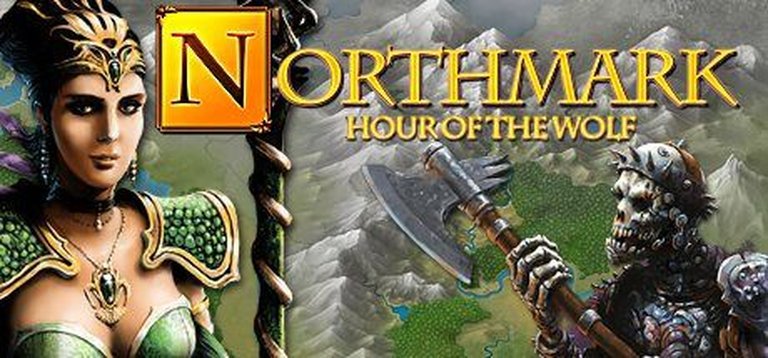
Northmark: Hour of the Wolf is a fantasy role-playing game set in a whimsical world of political intrigue, eccentric townsfolk, and mysterious villains, where players engage in strategic card-based combat using collectible cards to navigate diagonal-down perspective battles and an engaging storyline filled with humor and immersive worldbuilding.
Gameplay Videos
Where to Buy Northmark: Hour of the Wolf
PC
Northmark: Hour of the Wolf Cracks & Fixes
Northmark: Hour of the Wolf Guides & Walkthroughs
Northmark: Hour of the Wolf Reviews & Reception
metacritic.com (70/100): enjoyable enough as it is, if you’re looking for a casual card game with a story to tell.
steamcommunity.com : just beat the game in 7 hrs … pretty much just demolished everything.
Northmark: Hour of the Wolf: Review
Introduction
In the sprawling tapestry of fantasy RPGs, where epic quests and grinding progression often dominate, Northmark: Hour of the Wolf emerges as a quaint, card-flipping outlier—a bite-sized adventure that packs the punch of strategic deckbuilding into a storybook world of whimsy and peril. Released in 2014 by the indie studio Rake in Grass, this unassuming title invites players to don the mantle of a warrior, mage, or druid, traversing the diverse lands of Northmark to unravel a conspiracy threatening their homeland, all while battling via an arsenal of over 180 hand-drawn cards. Its legacy lies not in revolutionizing the genre but in distilling RPG essence into a compact, accessible form, evoking the charm of a forgotten fairy tale. My thesis: Northmark is a delightful hidden gem for casual strategists craving narrative-driven card combat, marred only by its brevity and lack of depth, cementing its place as a cult curiosity in the indie RPG landscape.
Development History & Context
Rake in Grass, a modest Czech indie developer (also handling publishing duties), birthed Northmark: Hour of the Wolf amid the early 2010s indie boom on platforms like Steam. Launched on August 2, 2014, for Windows (with Macintosh support shortly after), it arrived as Steam App ID 307010, boasting humble system requirements: a 1GHz processor, 1GB RAM, and OpenGL-compatible graphics—reflecting its lightweight Flash-era roots, possibly evolving from browser or casual mobile experiments. The studio’s vision, gleaned from promotional materials, centered on fusing RPG adventure with collectible card mechanics, predating the deckbuilder explosion sparked by Hearthstone (also 2014) and later Slay the Spire. Constraints of the era—limited budgets for a solo/small-team outfit—manifest in its 50MB footprint and simplistic UI, prioritizing hand-drawn art over flashy animations.
The 2014 gaming landscape was a fertile ground for such hybrids: RPGs like Darkest Dungeon (in development) emphasized tactics, while card games gained traction post-Magic: The Gathering digital shifts. Northmark positioned itself as a “card-based RPG” with diagonal-down perspective exploration, blending Final Fantasy Tactics-style strategy with trading card gameplay. Rake in Grass supported multilingual efforts, including a Czech dub and translation patch, hinting at a homegrown Eastern European flair. No major patches are noted post-launch, but community guides (e.g., for secrets and riddles) and bundles (like the Rake in Grass collection) sustained visibility. Technological limits bred innovation: mouse-only input streamlined card play, but exposed polish gaps, as critics like Diehard GameFan lamented low production values.
Narrative & Thematic Deep Dive
Northmark‘s plot is a compact yarn of heroism amid intrigue, where players embody a customizable protagonist—warrior, cunning mage, or powerful druid—tasked with saving Northmark from a shadowy “plot” embodied by the enigmatic “The Wolf.” The story unfolds across a linear yet exploratory campaign: investigate chilling mysteries, confront assassins, thieves, and hideous monsters, and pierce political machinations involving fantasy factions like elves and dwarves. Key beats include arena combats for glory and gold, journeys from icy peaks to fiery deserts, deep forests, great cities, lost ruins, and druidic mystic sites. Companions like Adriana (a warrior figure) and Sophie feature in quests, with riddles guarding secrets (13 total for achievements) and stashes rewarding the diligent.
Thematically, it weaves destiny, survival, and moral ambiguity: “Become the greatest hero Northmark has ever known—you know it’s your destiny!” proclaims the blurb, echoing classic fantasy tropes, yet laced with wry humor from eccentric townsfolk. Political intrigue simmers—factions vie amid the Wolf’s threat—blending light-hearted whimsy (playful dialogue) with tension (homeland in peril). Dialogue sparkles with quirky charm, as player reviews note its “heart and humor,” though critics decry it as “poorly written and predictable.” Characters lack profundity—adversaries are archetypal (monsters, assassins)—but the mystery sustains curiosity, culminating in brutal boss fights like the dragon (100 HP slog) and finale against high-HP foes. Subtle progression ties narrative to mechanics: uncovering cards mirrors plot revelations, thematizing growth from novice to legend. Flaws abound—no voice acting beyond optional Czech dub, short length (5-7 hours)—but its fable-like brevity enhances thematic punch, prioritizing cozy immersion over epic sprawl.
Gameplay Mechanics & Systems
At its core, Northmark deconstructs RPG loops into a trading/collectible card system: build decks from 180+ gorgeous cards (monsters, weapons, buffs, heals), summon units (e.g., lvl 5 bear, rock golem, angel; total level cap 15), and clash in turn-based arena battles. Choose a class for perks—warrior buffs attacks/defense, mage/druid lean magic/DoTs—then allocate stats (e.g., attack to 6, defense to 6, ice attacks). Core loop: explore map (diagonal-down view), shop for cards with gold, battle for loot/XP, tweak decks. Combat rewards planning: deploy AOE hits (barbarian rage, poison birds), buffs (druid tree, paladin resistance), heals (over-time variants crucial for bosses), and dispels. Luck factors in draws—pacing lags on poor hands—but strategy shines in focusing adds first, exploiting weaknesses (physical vs. magic).
Progression is deckbuilding lite: collect via shops/arena rewards, no heavy grinding. UI is mouse-driven, simple yet “dated”—card previews, stats page tracks secrets/cards (196 total?). Innovations: class synergies (warrior’s high-attack weapons hit 11+ dmg), companion quests (talk to Sophie), secrets/riddles for achievements (e.g., horse puzzle). Flaws: easy difficulty (no challenge per critics), balance issues (guard auto-replenish bugs, dragon tedium), limited replay (class swaps only). Single-player only, no multiplayer. Achievements (13) encourage exploration. Verdict: accessible depth—easy to learn, satisfying tweaks—but luck-heavy pacing and shortness curb mastery.
World-Building, Art & Sound
Northmark’s realm is a whimsical fantasy diorama: cold mountain peaks, desert wastes, lush forests, elven/dwarven kingdoms, bustling cities, druidic sites, and foreboding ruins. Exploration feels purposeful—uncover stashes, solve riddles—fostering a “storybook” immersion, per reviews. Atmosphere blends peril (assassin ambushes) with playfulness (eccentric NPCs), enhanced by hand-drawn art: warm, nostalgic visuals of cards/monsters evoke illustrated tomes, earning universal praise as “beautiful” and “charming.”
Sound design is minimalist: no full OST details, but subtle effects underscore card plays/battles, with optional Czech dubbing adding flavor. No bombast—fits casual vibe—but lacks polish; animations feel sparse, UI simplistic. Collectively, these forge cozy escapism: art elevates brevity, world teases depth (factions, mysteries), sound supports without distracting. A nostalgic gem, perfect for unwinding.
Reception & Legacy
Launch reception was mixed: Steam’s “Very Positive” (85% of 142 reviews; 82% of 345 broader) lauds fun, humor, casual appeal—”hidden treasure” for story-strategy fans—yet gripes short playtime (3-7 hours), ease, replay scarcity, balance. MobyGames: 4/5 player average (3 ratings), one glowing review; critics unscored/negative (Diehard GameFan: “flawed execution, no challenge”; Softpedia 70/100: enjoyable casual). Metacritic tbd, low visibility.
Commercially modest ($9.99, bundles), it endures via Steam features (achievements, cards, cloud saves). Influence: niche precursor to deckbuilders (Hero’s Hour, Slay the Spire), blending RPG narrative with cards pre-Inscryption. Legacy evolves positively—curator nods, community guides (secrets, builds)—as accessible indie RPG, inspiring casual hybrids. No direct sequels, but Rake in Grass’s bundle ties it to their portfolio.
Conclusion
Northmark: Hour of the Wolf distills RPG adventure into a card-flavored elixir: inventive combat, whimsical world, and heartfelt humor shine, but brevity, ease, and polish gaps temper its glow. As a 2014 indie artifact, it carves a cozy niche—ideal for short sessions—yet yearns for expansions. In video game history, it resides as a charming footnote: not a titan, but a treasury for deckbuilding dabblers, warranting a hearty recommendation at discount. Final Verdict: 7.5/10—a wolfish underdog with heart.