
- Release Year: 1997
- Platforms: Windows
- Publisher: Nihon Falcom Corp.
- Developer: Nihon Falcom Corp.
- Genre: Action, Role-playing (RPG)
- Perspective: Side view
- Game Mode: Single-player
- Gameplay: Item enchanting, Side-scrolling, Spell creation
- Setting: Fantasy
- Average Score: 73/100
Description
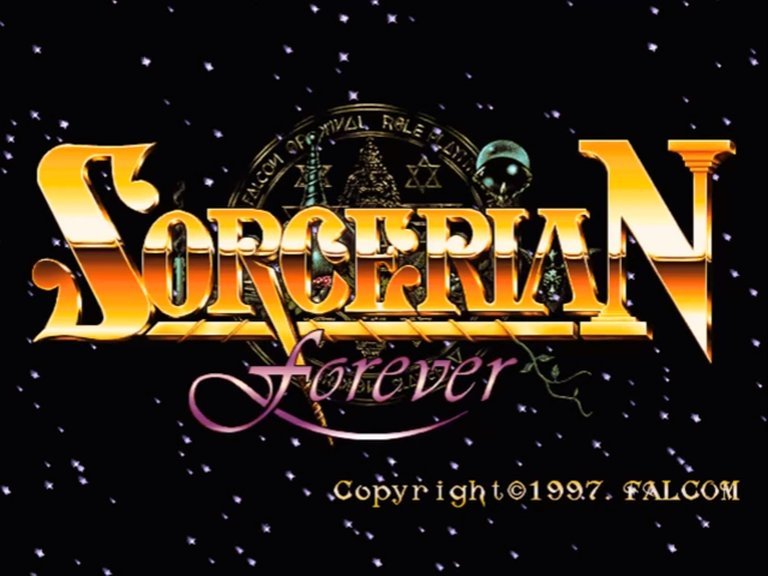
Sorcerian Forever is a 1997 Windows sequel to the classic 1987 RPG Sorcerian, set in a fantasy world where players control a party of four customizable characters through side-scrolling dungeons to solve quests across five brand-new standalone scenarios. It features an updated graphics engine, the original’s control scheme with added direct magic controls and a new HUD, plus travel between town for shopping and a magic academy for creating spells and enchanting items.
Gameplay Videos
Sorcerian Forever Patches & Updates
Sorcerian Forever Mods
Sorcerian Forever: Review
Introduction
In the pantheon of Japanese RPGs, few titles evoke the spirit of innovation and endurance quite like Sorcerian Forever. Released a full decade after the groundbreaking 1987 original Sorcerian, this Windows sequel from Nihon Falcom arrives as a “next-generation” evolution, blending side-scrolling action with deep RPG systems in a fantasy world ripe for exploration. As players guide a customizable party of four adventurers through standalone quests, the game pays homage to its predecessor’s modular legacy while introducing fresh mechanics like a spell-crafting academy. Yet, for all its ambition, Sorcerian Forever remains a hidden gem, obscured by its Japan-only release and lack of localization. This review argues that Sorcerian Forever stands as a pivotal bridge in Falcom’s Dragon Slayer saga, refining revolutionary ideas from the original into a more accessible package—though its obscurity underscores the challenges of preserving niche JRPG history.
Development History & Context
Nihon Falcom Corp., the visionary studio behind early hits like Xanadu and the Dragon Slayer series, developed and published Sorcerian Forever exclusively for Windows in 1997 (with some sources noting a late-1996 Japanese launch). As the direct sequel to Sorcerian—the fifth entry in the Dragon Slayer universe—it inherits the blueprint laid by series forefather Yoshio Kiya. Kiya, a pioneer of JRPG mechanics alongside figures like Yuji Horii, envisioned the original as a reusable “operating system” for games: a core engine (System Disk) supporting modular Scenario Disks from Falcom, third parties like Takeru and Amorphous, and even public contests. This predated modern DLC by over a decade, allowing expansions with new quests, utility shops for exclusive gear, and cross-hardware save transfers (e.g., PC-88 to PC-98).
By 1997, the gaming landscape had shifted dramatically. Windows PCs were overtaking Japanese home computers like the PC-98, while console RPGs like Final Fantasy VII loomed large. Falcom, ever the innovator, faced technological constraints of the era: CD-ROM distribution enabled richer graphics and audio, but side-scrolling roots persisted to preserve the original’s feel. Sorcerian Forever updates the engine for smoother visuals and mouse/keyboard input, adding direct magic controls and a HUD—innovations born from Kiya’s frustration with rebuilding engines per title. It eschews full sequels for “enhanced remake” status, grouping it with later entries like Sorcerian Original (2000). Constraints like floppy-disk limits from the ’80s were gone, yet Falcom retained the modular ethos, introducing a magic academy as a “utility” hub. This reflects a vision of endless expandability, mirroring 1997 hype around N64’s 64DD but realized far earlier in Sorcerian‘s DNA.
Narrative & Thematic Deep Dive
Sorcerian Forever‘s narrative echoes the original’s episodic, player-driven structure: no overarching epic, but a tapestry of 5 brand-new standalone scenarios woven into the fantasy realm of the Dragon Slayer universe. Players craft four characters—complete with names, ages, races, classes, and occupations—who age, gain experience, switch jobs (from the original’s 60 options), and pursue quests like relic retrievals, curse-breaking, or rescues. Themes of mortality and camaraderie shine through; characters “meet up in their spare time” as everyday folk turned adventurers, mirroring real-life D&D sessions. Dialogue, praised in the series for its puzzle-like enjoyability, likely infuses humor and variety—murder mysteries, sabotaged weddings, even sci-fi crossovers in expansions.
Underlying motifs draw from alchemy and cosmology: herbal magic from five sacred herbs, planetary gods governing 150+ spells (offensive, defensive, misc.). The new magic academy amplifies this, letting players synthesize spells and enchant gear, thematizing creation and mastery over chaos. Absent a linear plot, the “story” emerges organically—your party’s triumphs, failures, and retirements in old age foster emotional investment. Critiques of the original note Kiya’s aversion to prescriptive tales (“the player should make the story”), prioritizing freedom over rails. Forever evolves this, with town-dungeon loops emphasizing consequence: poor choices lead to permadeath or curses, underscoring themes of hubris in a world of gods, elements, and ancient evils. In anime/manga style, it evokes Record of Lodoss War-esque fantasy, but its modularity prefigures sandbox narratives in The Elder Scrolls.
Gameplay Mechanics & Systems
At its core, Sorcerian Forever refines the side-scrolling action-RPG loop: control one of four party members in real-time dungeons, switching seamlessly for tactical depth. Combat blends hack-and-slash with RPG strategy—melee for fighters, 150+ spells for mages—now enhanced by direct casting controls and a modern HUD displaying health, mana, and status. Progression ties to character-building: tweak stats via quests, jobs (affecting income/XP), and aging; equip from town vendors or academy enchantments.
Innovations shine in the magic academy, a “DLC-like” hub for spell synthesis (herbal + elemental/planetary combos) and item mods, echoing the original’s Utility Disks. Scenarios demand puzzle-solving over grinding—unique monsters, traps, collectibles per quest— with non-linear order (some level-gated). Flaws persist: clunky scrolling from ’80s roots (jerky even updated), no multiplayer despite single-player focus. UI improves with mouse support, but complexity (e.g., manual’s 35 magic pages) daunts newcomers. Loops excel in replayability: import-like freedom from originals, permadeath adds stakes. Partial English patches exist (unfinished per Romhacking.net), but Japanese text barriers gameplay depth. Overall, it’s a masterclass in modular systems, flawed yet ahead of its time.
World-Building, Art & Sound
The fantasy setting expands Sorcerian‘s lore: side-scrolling dungeons vary from relic tombs to cursed forests, standalone yet cohesive in the Dragon Slayer mythos. Atmosphere thrives on variety—Yuzo Koshiro’s iconic soundtrack (praised for monthly magazine popularity) likely returns with Windows upgrades, blending orchestral sweeps and chiptunes for epic tension. Visuals leverage CD-ROM for anime/manga sprites: updated engine delivers smoother animations, vibrant palettes over original’s EGA dithering, though LCD modern play reveals era artifacts.
World-building impresses via interactivity—towns bustle with merchants, academies hum with arcane potential—fostering immersion. Sound design, series-renowned, elevates moods: planetary god chants for spells, ambient echoes in depths. These elements synergize, turning mechanical loops into lived myths; puzzles feel organic, visuals breathe life into modular tales.
Reception & Legacy
Launch reception is ghostly: no MobyScore, zero critic/player reviews on MobyGames, scant Western coverage. Japan embraced it as nostalgic evolution—abandonware sites note playable tinkering (mount CCD, run sor_win)—but obscurity reigned. Commercially niche, collected by 9 Moby users; fan patches signal cult appeal.
Legacy endures as Sorcerian series linchpin: previous to Sorcerian Original (2000), inspires Advanced Sorcerian (Switch 2021). Revolutionized DLC precursors, engines, cross-saves—influencing Mass Effect expansions, Fable‘s lifespans. Falcom’s modular ethos echoes in Ys, Trails. Evolved rep: Time Extension hails original as “groundbreaking JRPG you’ve never played”; Forever bridges to modern ports, urging localization. Influences: sandbox JRPGs, spellcraft in Magicka.
Conclusion
Sorcerian Forever cements its place as a masterful sequel, modernizing Yoshio Kiya’s visionary engine with 5 fresh scenarios, spellcrafting, and refined controls while honoring modular freedom. Exhaustive mechanics, thematic depth, and atmospheric polish outweigh clunkiness, positioning it as essential Dragon Slayer chapter. Yet, language walls and obscurity deny it pantheon status beside Ys. Verdict: A historical treasure for JRPG historians—play via emulation/patches for its prescient brilliance. 9/10—timeless innovation in a forgotten forever.