
- Release Year: 2020
- Platforms: Windows
- Publisher: Prince Game Studio
- Developer: Prince Game Studio
- Genre: Strategy, Tactics
- Perspective: Top-down
- Game Mode: Single-player
- Gameplay: Turn-based strategy
- Setting: Fantasy
- Average Score: 67/100
Description
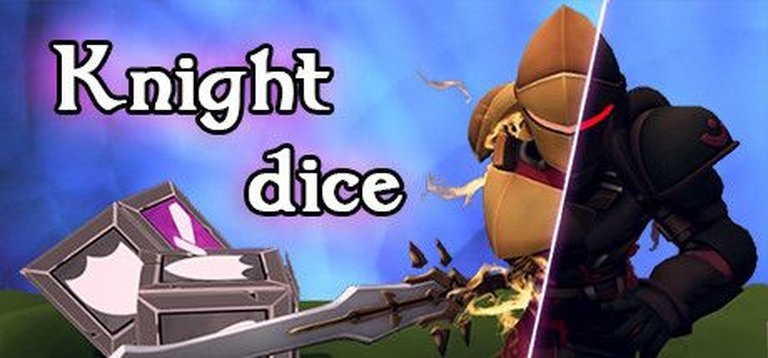
Knight Dice is a fantasy turn-based strategy game set in a top-down world where battles hinge on dice rolls, featuring offensive and defensive faces that players can strategically reroll to counter enemies. Players upgrade dice as rewards and unlock powerful spells through clever combinations, all accompanied by relaxing music and graphics in this easy-to-learn tactical experience.
Where to Buy Knight Dice
PC
Knight Dice Reviews & Reception
steambase.io (67/100): Mixed rating from 12 total reviews.
steamcommunity.com : Overall, I like what I’ve seen so far – but it just felt very much like a lot was missing.
Knight Dice: Review
Introduction
In an era dominated by sprawling open-world epics and hyper-polished live-service behemoths, Knight Dice emerges as a quiet reminder of gaming’s humble joys: the tactile thrill of rolling dice, the strategic tension of turn-based combat, and the roguelite grind of incremental triumphs. Released in November 2020 by the indie outfit Prince Game Studio, this unassuming Windows title carves a niche in the burgeoning subgenre of dice-driven strategy games, echoing predecessors like Dicey Dungeons while predating flashier entries such as Dice Legacy. Though it flew under the radar amid the roguelite renaissance sparked by Slay the Spire, Knight Dice distills pure tactical dice manipulation into a relaxing fantasy adventure. My thesis: While its minimalist design and lack of narrative depth hold it back from greatness, Knight Dice shines as an accessible, addictive entry point for dice-based tactics, deserving rediscovery by fans of cerebral, low-stakes strategy.
Development History & Context
Prince Game Studio, a small indie developer (likely a solo or micro-team operation given the sparse credits and self-publishing model), launched Knight Dice on Steam on November 4, 2020, built in the versatile Unity engine. This was a period of explosive growth for roguelites and deckbuilders, with hits like Hades and Monster Train proving that procedural randomness could fuel deep replayability. Dice mechanics, popularized earlier by Dicey Dungeons (2019), were gaining traction as a fresh twist on card-like probability, blending luck with player agency.
Technological constraints were minimal—Unity’s top-down 3D capabilities handled the modest visuals effortlessly on hardware as basic as a 2.0 GHz processor and DirectX 9 graphics—but creative ones loomed larger. Priced at a budget $1.49–$2.99, it targeted impulse buys in Steam’s indie flooded market. The gaming landscape was shifting toward mobile ports and cross-platform play, yet Knight Dice remained PC-exclusive, emphasizing single-player offline depth over multiplayer trends. Developer feedback in Steam discussions reveals a post-launch focus on patches (e.g., addressing Linux support queries and English localization), but no major expansions materialized, suggesting resource limitations. Vision-wise, Prince Game Studio aimed for “easy to learn” accessibility amid complex contemporaries, prioritizing “relaxing music and graphics” to counter roguelite frustration—a smart pivot in a burnout-heavy genre.
Narrative & Thematic Deep Dive
Knight Dice eschews cinematic storytelling for bare-bones progression, casting players as a nameless knight on a perilous fantasy adventure against “dangerous enemies.” There’s no voiced prologue, branching dialogue, or lore codex—just sequential encounters unlocked via victories, evoking classic roguelikes like NetHack where emergence trumps exposition. Plot beats are implied: fight ghosts, golems, and monsters in a top-down fantasy realm, upgrading dice as “rewards” to press onward. Steam community screenshots hint at spectral foes and stone behemoths, but no overarching quest or villain emerges; it’s a knight’s endless gauntlet, hardcore mode adding permadeath for stakes.
Thematically, it explores fate versus agency—dice rolls dictate actions (offense, defense), yet rerolls and upgrades let players wrest control, mirroring real tabletop RPGs like D&D. Spells from dice combos evoke arcane mastery, theming progression as alchemical dice-forging. Characters are archetypal: your knight a silent avatar, enemies static models (ghosts ethereal, golems hulking). Dialogue is absent, save tooltips and menus, with player feedback noting “typos or slightly off translations,” underscoring indie polish struggles. Subtle motifs of medieval magic (tags: Magic, Medieval) shine in spellcasting, but the lack of context—why fight? What’s the endgame?—feels jarring. Community gripes about “no storyline” highlight this void; a simple pathway map or encounter previews (as suggested in forums) could elevate it to narrative roguelite parity.
Gameplay Mechanics & Systems
At its core, Knight Dice is a turn-based strategy loop distilled to dice mastery: roll, reroll select dice, resolve actions against AI foes. Each turn, you and enemies roll multisided dice bearing offensive (attack) or defensive (block) faces, reacting dynamically—e.g., reroll attacks into shields against enemy aggression. “Lots of dice” amplify chaos: manage arrays for optimal combos, triggering “powerful spells” via synergies (e.g., matching symbols for AoE blasts). Progression is roguelite: post-battle upgrades enhance dice (rarer sides? Higher values?), fueling runs toward bosses or milestones. Hardcore mode enforces permadeath, while normal allows resumption, sparking debates on “point of hardcore” in discussions.
Combat innovates with prediction: enemy rolls visible pre-resolution, enabling counters, blending TBS tactics (Fire Emblem) with dice probability (Yahtzee meets Balatro). UI relies on “menu structures”—clean but static, per MobyGames specs—with intuitive reroll selection. Flaws emerge: no rolling animations (feedback calls it “flick to result,” craving immersion); repetitive loops lack meta-stats (player-requested run trackers). Character progression shines via upgrades, deckbuilding tags suggesting dice “decks” evolve, but roguelike variance demands mastery. Achievements (11 Steam totals) reward milestones like spell casts or win streaks, adding goals. Overall, innovative yet flawed: easy entry belies depth, but pacing drags without variety.
| Mechanic | Strengths | Weaknesses |
|---|---|---|
| Dice Rolling/Rerolling | Reactive, skill-based probability | No animations; feels abrupt |
| Upgrades & Spells | Incremental power fantasy | Limited variety unconfirmed |
| Modes (Normal/Hardcore) | Replayable risk-reward | Resume feature dilutes permadeath |
| UI/Controls | Menu-driven simplicity | Static, lacks polish |
World-Building, Art & Sound
The fantasy setting is a stylized top-down realm: cartoony 3D models (knight vs. ghosts/golems) in “stylized” environs, per tags. Atmosphere leans relaxing, with soothing music countering roguelite tension—ideal for casual sessions. Visuals are competent Unity fare: low-poly enemies (screenshots show ghostly wisps, rocky golems), vibrant colors evoking medieval whimsy. No expansive overworld; transitions jar (forum critique: “swapping fights feels jarring”), missing pathway visuals for progression feel.
Art direction prioritizes clarity over spectacle—dice legible, effects punchy for spells—fostering immersion via tactile focus. Sound design complements: ambient tracks promote zen, combat pips crisp but unadorned. These elements coalesce into a cozy tactical bubble, enhancing “easy to learn” ethos, though static models and absent animations temper atmosphere.
Reception & Legacy
Launch reception was muted: no MobyScore or Metacritic critics (both “TBD”), Steam’s 6–12 user reviews yield “Mixed” (67/100 on Steambase: 8 positive, 4 negative). Praise: addictive mechanics, relaxing vibe; gripes: lacking story, polish (typos, transitions). Sales modest (Steam price history implies low volume), discussions sparse (7 threads: achievements, Linux, feedback). Curators (5 on Steam) noted potential, but no mainstream buzz—Kotaku lists it incidentally amid roguelikes.
Legacy endures niche: predates Circadian Dice (2022), inspires dice tactics amid Buckshot Roulette hype. Influences minimal but foundational in “dice roguelites,” akin to Devil Dice (1998). Reputation evolved from overlooked indie to cult curiosity, buoyed by tags like Roguelite/Deckbuilding. Modest stats (ModDB: 4k visits) underscore sleeper status.
Conclusion
Knight Dice is a diamond in the indie rough: its dice-driven TBS core delivers emergent thrills, roguelite upgrades sustain engagement, and relaxing aesthetics soothe the soul. Yet, narrative voids, UI frictions, and absent polish cap its ceiling, rendering it a promising prototype rather than genre-defining masterpiece. In video game history, it claims a footnote as an early, accessible dice strategist amid 2020’s roguelite boom—ideal for Dicey Dungeons fans seeking brevity (300MB, quick runs). Verdict: Recommended for niche tacticians (7/10). Rediscover it on Steam; Prince Game Studio’s vision merits support for future evolutions.