
- Release Year: 2010
- Platforms: Windows
- Publisher: Noumenon Games AB
- Developer: Noumenon Games AB
- Genre: Action, Driving, Racing
- Perspective: Side view
- Game Mode: Single-player
- Gameplay: Aviation, Flight, Platform, Puzzle elements, Vehicular
- Average Score: 86/100
Description
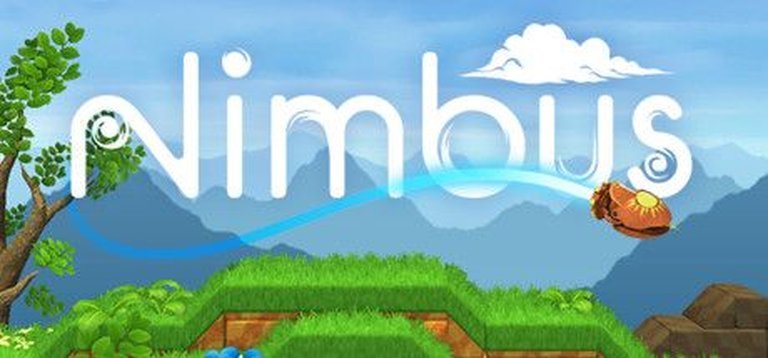
Nimbus is a vibrant 2D side-scrolling puzzle-platformer where players pilot a small flying craft through colorful environments to rescue a pink ship—presumably the pilot’s girlfriend—abducted by a giant metal floating eye. Propulsion relies on physics-based interactions with cannons, magnetic streams, bumpers, gravity dives, and quick maneuvers, blending puzzle-solving, platforming, racing reflexes to avoid hazards, and aviation challenges across levels selected from a Super Mario-style overhead map with hidden paths, coins for ship customization, and global leaderboards for best times.
Where to Buy Nimbus
PC
Nimbus Cracks & Fixes
Nimbus Reviews & Reception
metacritic.com (80/100): Generally Favorable Based on 5 Critic Reviews
higherplainmusic.com : A fantastic indie game that deserves a lot of peoples attention
mobygames.com (84/100): Average score: 84%
steambase.io (94/100): Very Positive
Nimbus: Review
Introduction
Imagine a video game where your spaceship has no engines, no thrusters—just the whims of gravity, bumpers, and cannons to hurl you through a deadly obstacle course of spikes and puzzles. Released in 2010, Nimbus by Swedish indie studio Noumenon Games captured this audacious premise and turned it into a genre-defying triumph, blending puzzle-platforming, physics-based racing, and twitch reflexes into a 2D side-scrolling odyssey. As a game historian, I’ve seen countless indies rise and fade, but Nimbus endures as a beacon of clever design in the early Steam era, a time when bite-sized challenges like VVVVV and Super Meat Boy redefined mastery. My thesis: Nimbus isn’t just a game; it’s a physics poem, proving that constraint breeds innovation and frustration yields euphoria, securing its status as an underappreciated masterpiece of indie ingenuity.
Development History & Context
Noumenon Games AB, a small Swedish outfit founded by visionaries like Felix Eliasson and Sebastian Karlsson, birthed Nimbus amid the 2010 indie renaissance. This was the dawn of Steam’s dominance for digital indies, post-World of Goo and Braid, when tools like the OGRE 3D engine, NVIDIA PhysX for physics simulation, and Audiokinetic Wwise for audio empowered tiny teams to punch above their weight. Eliasson handled game design, art, and core level design, while Karlsson co-designed and programmed alongside Erik Järlemyr. Additional art from Karl-Johan Arvidsson and others, plus level tweaks from a collaborative crew including Johan Holber, fleshed out 50+ main levels across five vibrant worlds, plus bonuses.
Technological constraints shaped its brilliance: PhysX enabled realistic momentum without self-propulsion, forcing environmental interaction over direct control—a stroke of genius born from hardware limits and creative restraint. The 2010 landscape brimmed with platformers (Limbo, VVVVV), but Nimbus stood apart by hybridizing racing (TrackMania-esque leaderboards) with puzzles, launching at $10 on Steam amid economic recovery and mobile gaming’s rise. A planned PS3 port never materialized, but its PC focus leveraged keyboard/mouse precision. Special thanks to Tarsier Studios and others hint at grassroots networking, underscoring indie’s collaborative spirit. This debut showcased a clear vision: progressive mechanics without bloat, as reviewers noted, cementing Noumenon’s rep (later echoed in team credits for Snakebird).
Narrative & Thematic Deep Dive
Nimbus wears its story lightly—an “excuse plot” per TVTropes, yet one that charms through minimalism. The intro cinematic depicts your sleek blue craft watching helplessly as a pink ship (your implied girlfriend/partner) is snatched by Goleyeath, a colossal metal floating eye evoking Lovecraftian dread in cartoony form. No dialogue, no cutscenes beyond this hook; you’re thrust into rescue across a Super Mario Bros.-style overhead world map, traversing islands with hidden paths to confront the abductor.
Characters are archetypal vessels: your silent protagonist ship, customizable via coins for decals and variants; the damsel pink ship; villainous Goleyeath as final boss. Themes emerge organically—momentum as metaphor for perseverance, fragility amid chaos (one wrong glide strands you). Physics puzzles underscore isolation: bump spheres to switches, navigate reversed gravity, evoking existential drift. No deep lore, but replay for coins/secrets layers motivation, turning rescue into mastery quest. Critics like Gamer.no praised its purity: “for those who love challenge sans Hollywood gloss.” This restraint amplifies themes of precision and adaptation, where failure restarts sections, mirroring life’s unforgiving physics.
Gameplay Mechanics & Systems
At its core, Nimbus deconstructs propulsion: your craft glides inertly, demanding environmental symbiosis. Core loop—launch from checkpoints, chain cannons/bumpers/magnetic streams/bouncing pads for speed, dive for gravity acceleration, ascend to brake, oscillate nose for direction shifts. Land motionless? Restart. This gliding mechanic fuses platforming (sans platforms), puzzles (keys unlock barriers, physics-push balls), and racing (leaderboards chase “perfect times”).
Combat & Progression: Sparse combat—one boss (Goleyeath), an “unexpected change” dodging projectiles. Progression via map navigation: 50 levels in five worlds (Green Hill-like opener to scrapyards), secrets branching paths. Coins unlock ships/decals; difficulties (Easy: infinite continues; Normal: 5; Hard: none) gate mastery. UI shines—clean HUD (time, continues), intuitive map, Steam leaderboards fueling competition.
Innovations & Flaws: Physics brilliance (PhysX shines in sphere manipulation, contrails visualizing momentum) builds progressively: early bumpers, mid reversed gravity/color switches/portals, late spike mazes/black holes. Quick reflexes chain boosts (Trials-like), rewarding rhythm. Flaws? Inverted left-right controls (left spins counterclockwise) feel alien initially, worsening at speed (TVTropes’ “fake difficulty”); some call them awkward (IGN, GameZebo). Yet, they enforce deliberate play. Replayability soars: coins demand detours, bonuses (Scrapyard, Christmas) hit Nintendo Hard peaks (12-star infamy). ~6 hours core, dozens for mastery—no filler, pure loop.
World-Building, Art & Sound
Nimbus‘ universe pulses with ethereal whimsy: five themed worlds (lush greens to metallic scrap, candy skies) evoke Sonic‘s cross-hatched vibrancy (Indie Game Magazine), fluffy cloud-like textures (Higher Plain Music). Side-scrolling 2D scrolling bursts color—pink contrails paint skies, spikes gleam lethally. Atmosphere? Dreamy peril: gravity flips disorient, bumpers propel through spike labyrinths, fostering tension amid beauty.
Art direction prioritizes clarity—crystal visuals aid precision (Higher Plain: “whisp like sky art”). Sound design elevates: Carl Karjalainen’s electronic OST (Wwise-powered) delivers earworm synths, ethereal and unobtrusive, syncing with velocity (Destructoid: “catchy”). SFX pop understated—boings, whooshes—immersive without distraction. Together, they craft addiction: euphoria on flawless runs, rage-quit frustration melting into “one more try.” Scenery porn enhances puzzles, making worlds feel alive, contributory to hypnotic flow.
Reception & Legacy
Launched October 25, 2010, Nimbus garnered critical acclaim: MobyGames 84% (11 critics, highs from LKI.ru 94%, Destructoid/GameZebo/Gamer.no 90%), Metacritic 80, Steam Very Positive (94%, 252 reviews). Praised for vision (Destructoid), challenge sans frustration (Eurogamer: “tricky, exacting right ways”), replay (coins, boards). Gripes: controls (IGN: “minor issues”), brevity. Commercially modest (indie $10), but cult hit—40+ Moby collections, leaderboards thrive.
Legacy evolves: influenced physics-racers (Acid Nimbus, though unrelated), hybrids like Snakebird (team overlap). Prefigured mobile quick-hits (Girl Gamers UK), indie purity amid AAA bloat. 2020s Steam sales ($2.49) sustain it; TVTropes/AllTheTropes cement tropes. No sequel, but Infinity (2022) nods homage. Industry ripple: proved small teams wield PhysX/OGRE for depth, inspiring VVVVV/SMB peers.
Conclusion
Nimbus masterfully alchemizes frustration into flow, its propulsion-less glide a profound lesson in environmental harmony. From humble Swedish origins to enduring Steam staple, it exemplifies indie’s golden era—innovative, addictive, unpretentious. Flawed controls aside, its puzzles, physics, and polish deliver timeless satisfaction. Verdict: Essential for puzzle/racing fans; a 9/10 hidden gem etching indie history as a physics-driven classic demanding your mastery. Play it, glide it, love it.