
- Release Year: 2016
- Platforms: Linux, Macintosh, Nintendo Switch, PlayStation 4, Windows, Xbox One, Xbox Series
- Publisher: Eastasiasoft Limited, Headup Games GmbH & Co. KG
- Developer: Eastasiasoft Limited
- Genre: Action
- Perspective: Diagonal-down
- Game Mode: Single-player
- Gameplay: Roguelike
- Setting: Bermuda Triangle
- Average Score: 60/100
Description
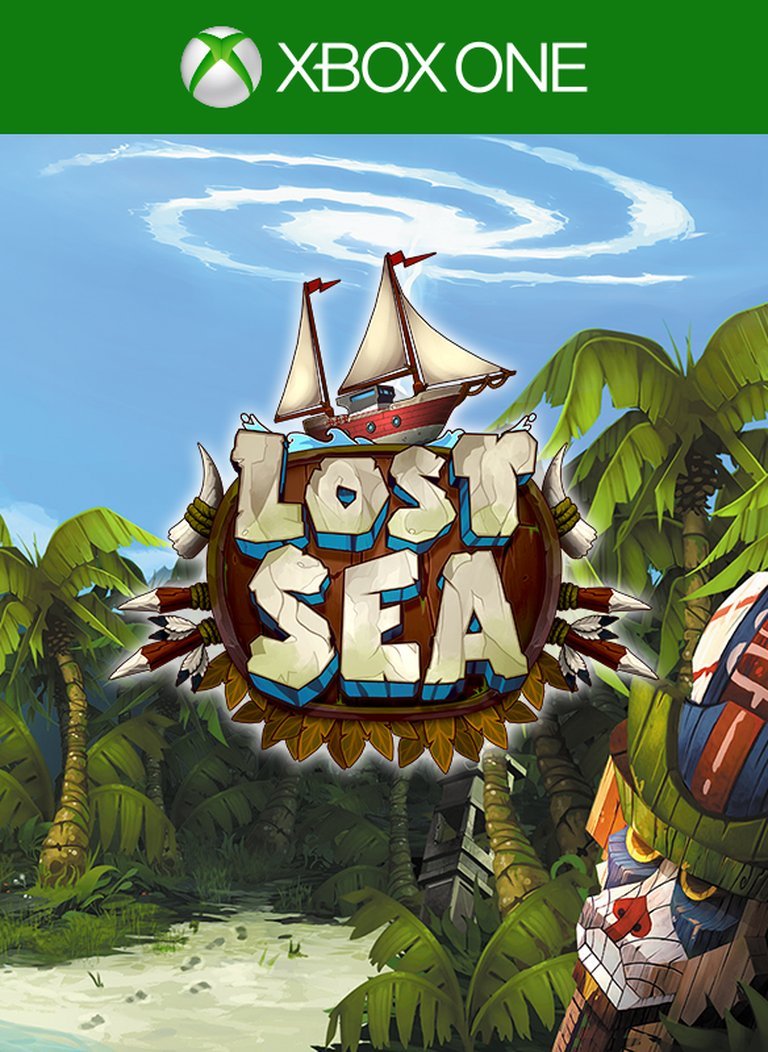
Lost Sea is an action roguelike where a shipwrecked character must navigate the treacherous Bermuda Triangle by sailing through four themed archipelagos, each comprising a chain of randomized islands teeming with fantasy monsters. Players explore on foot to find hidden tablets for mapping voyages, recruit crew members with unique abilities, upgrade skills and ship at docks using earned currencies, and defeat bosses to progress, all under permadeath rules with day-night cycles and dynamic weather.
Gameplay Videos
Where to Buy Lost Sea
Lost Sea Cracks & Fixes
Lost Sea Mods
Lost Sea Guides & Walkthroughs
Lost Sea Reviews & Reception
metacritic.com (59/100): Lost Sea is an overall fun survival game, but it has too many flaws that keep it from being as good as it could be.
opencritic.com (59/100): Although Lost Sea provides fun, laid-back gameplay alongside a colourful, cel-shaded world, a lack of depth and some restrictive design choices may limit the scope of the game.
operationrainfall.com : The game’s genre is listed as “Action, Adventure, Indie” on its Steam page, but this is very misleading as the game has heavy rogue-like elements.
monstercritic.com (62/100): Although I enjoyed Lost Sea quite a lot due to its relaxing exploration and rewarding gameplay, its glaring problems get in the way of it being a great game.
Lost Sea: Review
Introduction
Imagine washing ashore on a vibrant, procedurally generated island chain deep within the Bermuda Triangle, machete in hand, surrounded by fantastical beasts and desperate survivors—Lost Sea (2016) thrusts players into this tantalizing premise, blending roguelike permadeath with exploratory action-adventure in a cel-shaded world of peril and discovery. Developed and published by Eastasiasoft Limited, this indie title emerged during the mid-2010s roguelike renaissance, a time when games like The Binding of Isaac: Rebirth (2014) and Rogue Legacy (2013) popularized procedural generation and punishing restarts. Yet Lost Sea carves its niche with a nautical twist: sailing between themed archipelagos, recruiting quirky crewmates, and scavenging ancient tablets to chart a path home. My thesis is clear: Lost Sea is a beguiling gem of relaxed island-hopping adventure marred by repetitive procedural design, frustrating AI, and roguelike rigidity that elevates its highs but drowns its potential in familiarity and frustration.
Development History & Context
Eastasiasoft Limited, a Hong Kong-based indie studio known for pixel-art RPGs like Rainbow Moon (2012) and Rainbow Skies (2014), took the helm for Lost Sea, handling both development and publishing. The core team was lean—programming by Daniel Schuller, game and level design by Aidan Price, art and animation by Heyman Yau, with additional art from Daniel Mallada Rodríguez and Odín Fernandez Moreno, music by David Lugo, and sound by Almut Schwacke. A whopping 24 “special thanks” credits hint at a collaborative, bootstrapped effort, including nods to figures like Joshua Fairhurst (linked to 39+ games) and ties to Eastasiasoft’s prior titles via shared personnel.
Built on Unity, Lost Sea leveraged the engine’s procedural tools for its hexagonal chunk-based island generation, a cost-effective choice for an indie facing 2016’s crowded digital marketplace. Released first on Xbox One (June 29, 2016), it followed on PS4, Windows, Mac, and Linux shortly after, with ports to Nintendo Switch (2018) and Xbox Series (2021). This multi-platform strategy targeted the post-Minecraft procedural hype and roguelike surge, amid giants like Don’t Starve (2013) emphasizing survival crafting. Technological constraints were minimal—low specs (Dual Core 2.4 GHz, 512 MB VRAM)—but the era’s indie scene demanded replayability; Steam Greenlight origins underscore its grassroots push. Headup Games co-published in Europe, reflecting Eastasiasoft’s pivot from turn-based RPGs to action-roguelikes, envisioning a “survival adventure” in the Bermuda Triangle mythos. Yet, limited chunks for procedural variety and no co-op (despite fitting thematically) reveal scope compromises in a landscape dominated by deeper roguelites like Enter the Gungeon (2016).
Narrative & Thematic Deep Dive
Lost Sea‘s narrative is sparse yet evocative: after a plane crash (or storm, per some descriptions) strands you in the Bermuda Triangle, survival demands progression through four themed archipelagos—lush jungle, arid desert, icy tundra, swampy unknowns—culminating in a mysterious portal. No voiced dialogue or cutscenes; storytelling unfolds via environmental cues, survivor banter, and a day-night cycle with dynamic weather, evoking isolation and mystery. Eight playable characters offer cosmetic variety only—no stat differences, a missed opportunity for replayability noted in reviews—starting with a tutorial island introducing machete combat and crew recruitment.
Thematically, it probes survival and leadership in unforgiving wilderness: recruit ragtag survivors with unique abilities (carpenter for bridges, lockpicker for chests, digger for treasure), but permadeath makes every loss visceral—crew cower in combat, die permanently (save one reviver), forcing moral triage. Tablets as “maps” symbolize fragile navigation through chaos, mirroring Bermuda lore of vanishing ships. Fantasy monsters (raptors, giant frogs, charging beasts) blend myth with ecology, their AI reacting dynamically to each other and players. Bosses—a recurring cannonball-firing pirate—escalate tension, varying slightly per biome but recycling core mechanics, underscoring themes of inescapable cycles. Critics like Operation Rainfall praised the “Zelda-esque” scavenging, but Digitally Downloaded lamented repetitiveness bleeding into narrative stagnation. Ultimately, Lost Sea whispers tales of human fragility against procedural entropy, where progress feels Pyrrhic amid constant resets.
Gameplay Mechanics & Systems
At its core, Lost Sea loops exploration, combat, recruitment, and upgrades in roguelike fashion: diagonal-down 2D scrolling with free omnidirectional movement and 360° camera rotation. Islands randomize layouts, enemies, and items via hexagonal chunks, tasking players to find 1-3 tablets (hidden behind keys/bridges), haul them to docks, and sail—tablet “range” dictates island skips, modifiable by ship upgrades (e.g., reveal treasures, revive crew).
Combat starts basic (machete slash), expandable via XP-purchased skills: sprint (stamina-gated), spin attacks, breadcrumbs for navigation, stat boosts. Enemies boast patterns—dashing raptors (tail-vulnerable variants later), jumping frogs—amid destructibles yielding health/currency. Bombs and medkits fill four unlockable slots. Crew AI is pivotal yet flawed: they auto-follow, carry tablets, use abilities, but cower (not fight), pathfind poorly (stuck on walls), and die easily, demanding babysitting. Ship workbench uses gold/XP for crew slots, health restores, travel boosts—all session-locked, enforcing permadeath.
Progression incentivizes risk: optional treasures persist across runs for collection; stage select warps to unlocked archipelagos. UI lacks POI markers, frustrating navigation; no mid-run saves amplify roguelike tension. Reviews hammer flaws—GameSpew noted initial frustration yielding adaptation joy, but Video Chums cited “glaring problems” like camera woes and repetition. Difficulty spikes post-World 2 (harder enemies, brick-wall foes), punishing casual play. Innovative? Crew-leading shines in co-op potential (unrealized), but shallow loops and AI drag it toward tedium over triumph.
World-Building, Art & Sound
Lost Sea‘s archipelago pulses with atmospheric peril: four biomes transition seamlessly—jungle greens to desert ochres, tundra whites—procedurally stitched from limited chunks, fostering familiarity over wonder (Operation Rainfall decried repetition). Docks anchor each island; weather/day-night alters visibility/mood, destructibles (bushes, crates) reward interaction. Cel-shaded visuals pop vibrantly—Heyman Yau’s animations imbue critters with charm, full camera aiding immersion despite occasional frustration.
Sound design elevates: David Lugo’s tranquil, Indiana Jones-lite tracks (muted by some for podcasts, per GameGrin) ambiance exploration, while Almut Schwacke’s effects—slash whooshes, beast growls—punch combat. No voicework keeps it minimalist, fitting indie scope. Collectively, these forge a cozy-yet-deadly vibe: Use a Potion! called it “charming,” visuals masking procedural limits, though Defunct Games found environments blurring into repetition after hours.
Reception & Legacy
Launch reception was mixed: MobyGames’ 6.6/10 (67% critics, 2.0/5 players from few votes) reflects consensus—PS4/Xbox One Metacritic 59/100, OpenCritic 59 (22% recommend). Highs: Use a Potion! (80%, Switch) lauded charm/fun; Video Chums (71%) relaxing loops. Lows: Nintendo Life (50%) slow plodding; Push Square/PlayStation LifeStyle (50-55%) no save/repetition; Defunct Games (50%) shallow/frustrating AI. Commercial? Modest—Steam $1.49 sales, low collections (10-11 Moby users), GOG discounts signal niche appeal.
Legacy endures modestly: influenced few directly, but Eastasiasoft’s procedural experiments echo in indies like Slice of Sea (related via Moby). Ports extended life, yet unpatched flaws (controller issues, no save states despite promises) cap impact. In roguelike history, it exemplifies 2016’s “cozy hardcore” tension—fun bursts for fans (Hades later perfected), frustration for casuals—preserved as MobyGames artifact amid 309k+ titles.
Conclusion
Lost Sea sails on waves of charming cel-shaded exploration, crew synergy, and Bermuda mystique, its procedural islands and upgrade loops evoking nostalgic Zelda survival amid roguelike bite. Yet, repetitive chunks, inept AI, absent saves, and abrupt difficulty capsize deeper engagement, rendering marathons chores despite short-burst charm. As a 2016 indie footnote, it earns 6.5/10—worthy for roguelike enthusiasts craving relaxed peril, but no timeless classic. In video game history, it reminds us: bold premises thrive on polish, lest they vanish into triangular obscurity. Recommended on sale for fans of Don’t Starve-lite archipelago jaunts.