
- Release Year: 2007
- Platforms: PlayStation 3, Windows, Xbox 360
- Publisher: Buka Entertainment, CyberFront Corporation, Ubisoft Entertainment SA
- Developer: Shanghai UBIsoft Computer Software Co., Ltd., Tiwak SAS
- Genre: Action
- Perspective: Behind view
- Game Mode: Single-player
- Gameplay: Climbing, Enemy throwing, Grappling, Hack-and-slash, Puzzle elements, Quick Time Events (QTEs), Rhythm mini-game, Weapon switching
- Setting: Fantasy
- Average Score: 50/100
Description
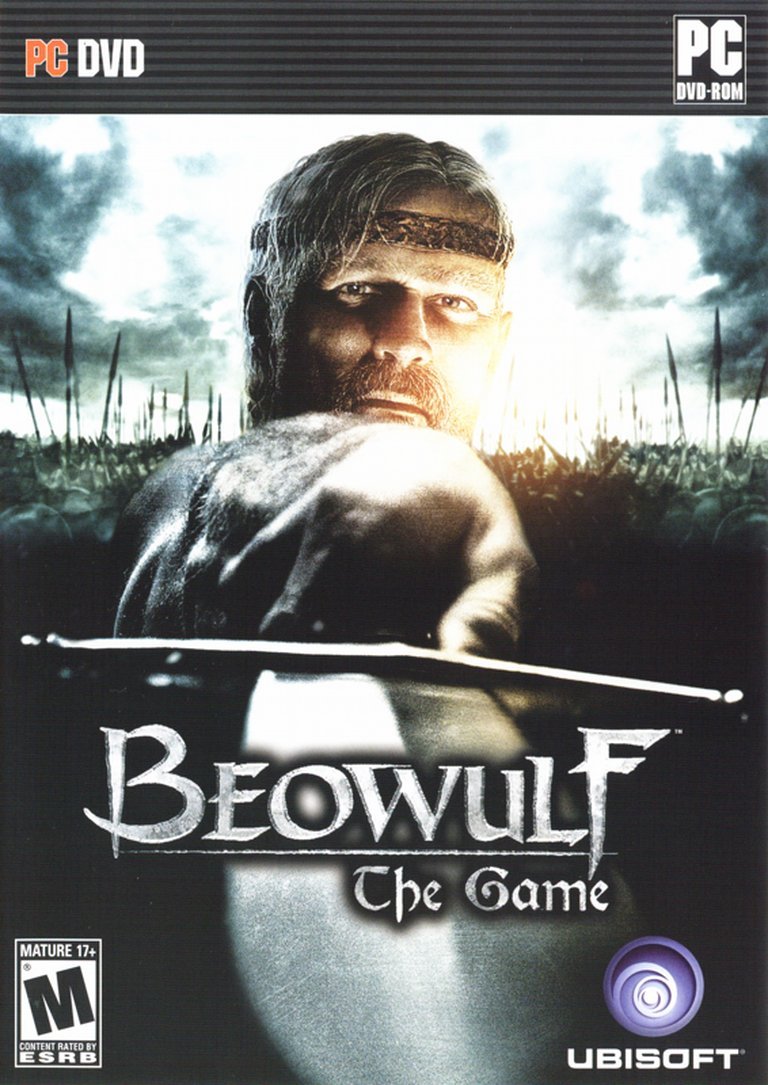
Beowulf: The Game is a hack-and-slash action adventure set in a fantasy world drawn from the epic poem and Robert Zemeckis’ animated film adaptation, where players control the legendary warrior Beowulf as he leads his band of Thanes through brutal combats against monsters like Grendel and sea serpents, employing quick-time events, rhythm-based chanting for morale boosts, enemy hurling, weapon switching, a strength-enhancing Carnal Mode, and puzzle-solving elements like climbing in a third-person perspective blending God of War and Tomb Raider influences.
Gameplay Videos
Beowulf: The Game Free Download
Beowulf: The Game Cracks & Fixes
Beowulf: The Game Patches & Updates
Beowulf: The Game Reviews & Reception
metacritic.com (51/100): Mixed or Average
gamespot.com : Even a merry band of adventurous thanes can’t save this quest from ruin.
imdb.com (50/100): Despite some technical flaws, it offers a number of interesting features that make it worth a look.
Beowulf: The Game Cheats & Codes
PC
Type the following codes during gameplay for easy boosts when you need them.
| Code | Effect |
|---|---|
| give carnal points | Gives 20 carnal points |
| give heroism points | Gives 20 heroism points |
| kill all | Kill all enemies |
| give legendary axe | Legendary axe |
| give legendary shield | Legendary shield |
| give legendary sword | Legendary sword |
| god | God mode |
Beowulf: The Game: Review
Introduction
In the frostbitten halls of Heorot, where mead flows and monsters lurk, Beowulf: The Game emerges as a bloody, bombastic tie-in to Robert Zemeckis’ 2007 motion-capture epic, itself a modern retelling of the Anglo-Saxon poem. Released amid the hype of a star-studded animated film featuring Ray Winstone’s gravelly roar and Angelina Jolie’s seductive siren, this hack-and-slash adventure promised players the chance to embody the strength of 30 men, leading a band of loyal thanes against grotesque beasts. Yet, like Beowulf’s own cursed legacy, the game is a tale of untapped heroism marred by hubris—rushed development and derivative design. My thesis: Beowulf: The Game is a competent but deeply flawed God of War clone that captures the visceral thrill of mythic slaughter and thane camaraderie, but stumbles under repetitive combat, obtuse puzzles, and the curse of movie-licensed mediocrity, cementing its place as a forgotten budget-bin relic rather than a legendary saga.
Development History & Context
Studio and Creative Vision
Developed primarily by Ubisoft Shanghai (with French studio Tiwak SAS handling core direction) and Virtuos for the PSP port, Beowulf was overseen by creative director Gilles Matouba and senior producer Yann Le Tensorer. Ubisoft leveraged unprecedented access to the film’s assets, including motion-capture data and voice performances from stars like Winstone (Beowulf), Jolie (Grendel’s Mother), and Anthony Hopkins (King Hrothgar). This “unprecedented level of access,” as Matouba touted at Ubidays 2007, aimed to blend cinematic spectacle with interactive brutality. The vision: extend the film’s narrative by 30 years of unseen kingship, emphasizing Beowulf’s duality—noble hero versus carnal beast—via a morality meter influencing upgrades and endings.
Technological Constraints of the Era
Built on the YETI engine (familiar from Tom Clancy’s Ghost Recon Advanced Warfighter), Beowulf targeted next-gen consoles (PS3, Xbox 360) and PC at launch in November 2007, with PSP following. YETI delivered atmospheric fog-shrouded mead halls and gore-soaked arenas, but strained under PhysX physics for ragdoll enemy flings and Bink Video cinematics. Next-gen teething issues plagued ports: PC versions jittered with antialiasing enabled, Xbox 360 tinted Carnal Mode blood-red (irritating reviewers), and controls favored controllers over keyboard/mouse. Middleware like PhysX enabled dynamic combat but amplified glitches, such as clipping thanes or unresponsive cameras.
Gaming Landscape at Release
2007 was a brutal year for action games. God of War II, Assassin’s Creed, Uncharted, and Halo 3 dominated, setting lofty bars for spectacle and fluidity. Movie tie-ins fared poorly (The Simpsons Game succeeded via humor; others like Transformers bombed), and Beowulf—rushed to sync with the film’s premiere—exemplified the “Hollywood curse.” Ubisoft’s stable (Splinter Cell: Double Agent, Rainbow Six: Vegas 2) shared credits, hinting at resource diversion. Commercial pressures yielded a 6-8 hour campaign, prioritizing QTE boss fights over depth, in a market demanding epic scopes.
Narrative & Thematic Deep Dive
Plot Summary and Deviations from Source
Beowulf opens with a beach race against rival Brecca, devolving into crab-slaying and a sea serpent ambush—Grendel’s Mother (voiced seductively by Jolie) empowers the hero, twisting the poem’s lore. Victorious, Beowulf sails to Hrothgar’s plagued Denmark, slays Grendel bare-handed, then faces the seductive witch-mother (yielding the cursed dragon horn). Crowned king, the game innovates with 30 post-film years: demonic invasions from Heorot to Iceland, battling hellhounds, trolls, monkey-men cultists, and rival thanes. Two endings hinge on a Carnal/Heroic meter—succumb to fury for a beastly fall; heroism yields redemption.
Characters and Dialogue
Beowulf (Winstone) embodies arrogant bravado: “I am Beowulf!” bellows amid slaughters, his ponytail-flailing model a hulking brute. Thanes—up to 12 unlockable—are dim but endearing hype-men, cheering every kill. Hrothgar’s madness and Jolie’s husky temptations (“You are my new hero”) add psychological depth, voiced authentically but scripted woodenly. Dialogue mixes mythic pomp (“Slay the Titans of a dying age!”) with rhythm-chant pep (“Heave-ho!”).
Underlying Themes
The poem’s heroism-vs-fate grapples with carnality: Carnal Mode boosts power but risks thane deaths and kingdom despair, mirroring Beowulf’s seduction and dragon curse. Heroic paths empower allies, probing leadership’s cost. Themes of ambition’s folly resonate—usurpation breeds chaos—yet rushed pacing dilutes nuance, favoring gore over introspection. Puzzles (rage-fueled fires for monkey-men hunts) symbolize inner beasts, but obtuseness undermines metaphor.
Gameplay Mechanics & Systems
Core Loops and Combat
Hack-and-slash core: light/heavy attacks, parries, grabs (hurl foes/enemies), weapon swaps (swords/maces from racks). Dodge+power strike auto-executes invulnerable finishers, healing amid blood sprays. Command thanes via radial menu: “Attack,” “Move here,” rhythm-chants for morale boosts/damage amps. QTEs dominate bosses/Grendel grapples, God of War-style.
Progression: Legacy points upgrade Carnal (longer berserk, AOE smashes) or Heroic (thane weapons/skills). Protect 6 thanes or restart—high-stakes siege defense.
| Mechanic | Strengths | Flaws |
|---|---|---|
| Combat | Gory finishers, throwable minions | Repetitive mashing; broken dodge chains |
| Thane Commands | Strategic ally use, rhythmic fun | Dumb AI dies easily; accidental Carnal kills |
| Carnal/Heroic | Risk-reward duality | Forced Carnal for bosses; illusory choice |
| Exploration | Wall-climbing, ledges | Dead-end mazes, illogical blocks |
UI and Innovative/Flawed Systems
Clean HUD (health, fury meter, chant bar) but erratic camera strands players. Rhythm mini-games innovate (morale via button-mash dances), but QTEs frustrate with tiny prompts. Weapon breakage mid-fight annoys; no jump limits fluidity.
World-Building, Art & Sound
Setting and Atmosphere
Dark Ages Denmark/Iceland: fog-choked mead halls, icy cliffs, troll lairs evoke dread. Linear corridors branch illusorily, fostering epic sieges but empty vistas.
Visual Direction
YETI shines in slow-mo gore (hectoliters of blood) and film-accurate models, but animations stutter—Beowulf’s ponytail clips heads; environments oscillate stunning/ugly. PS3/360 par, PC gritty sans AA.
Sound Design
Cris Velasco’s orchestral score thunders; Winstone/Jolie’s performances immerse (Jolie’s whispers tempt). Thane cheers (“My hero!”) buoy combat; impacts/crunch satisfying. Voice/effects imbalance plagues PC.
Elements synergize for mythic immersion—blood-drenched halls pulse with chants—but glitches shatter tension.
Reception & Legacy
Critical and Commercial Reception
Metacritic: 44-51/100; GameRankings: 45-55%. Critics (IGN 4/10, GameSpot 5/10) lambasted repetition, AI, camera, short length: “Run-of-the-mill design” (Eurogamer), “Brain-dead” (Game Revolution). Positives: gore (GamePro), thanes (Game Informer). MobyGames: 50% critics, 3.2/5 players; one lauded as “underrated God of War-like.” Sales flopped (~0.4M units), buried by heavyweights.
Evolving Reputation and Influence
Initially dismissed as tie-in trash, cult fans praise thane novelty/rhythm. No direct successors; influenced no majors, but prefigured God of War clones’ ally commands (Overlord). Legacy: cautionary rushed-licensed tale, now budget/curiosity (no digital re-release). PSP port harsher (44/100).
Conclusion
Beowulf: The Game swings a mighty sword—gory combat, cheering thanes, dual paths—but fumbles with repetition, glitches, and design dead-ends, epitomizing 2007’s tie-in pitfalls. Not historic trash like ET, nor gem like GoldenEye; a 5/10 rental for hack-and-slash nostalgics craving Zemeckis’ myth. In gaming’s epic poem, it’s a thane: loyal, loud, but no king. Verdict: Mediocre relic; play for thane hype and Jolie whispers, skip for depth.