
- Release Year: 2022
- Platforms: PlayStation 5, Windows, Xbox Series
- Publisher: Anshar Publishing Sp. z o.o., Ultimate Games S.A.
- Developer: Superstatic Studio
- Genre: Role-playing (RPG)
- Perspective: Diagonal-down
- Game Mode: Co-op, Single-player
- Gameplay: Deck-building, Roguelike
- Setting: Age of Discovery, Enlightenment, Europe, Fantasy
- Average Score: 51/100
Description
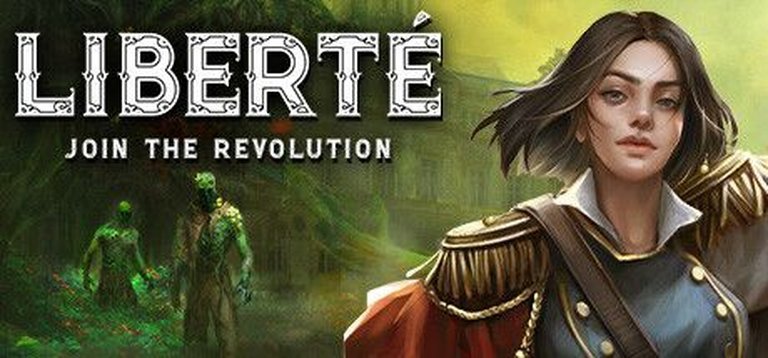
Liberté is a real-time roguelike deck-building RPG set in a fantastical Europe during the Age of Enlightenment, specifically France amid revolutionary fervor, blending historical intrigue with Lovecraftian horror elements where players join the revolution through diagonal-down perspective combat and direct control gameplay.
Gameplay Videos
Where to Buy Liberté
PC
Liberté Free Download
Liberté Cracks & Fixes
Liberté Reviews & Reception
vg-reloaded.com (50/100): Liberté does some things well, but it never reaches its potential due to limited areas and enemies, glitches and unnecessary grinding.
fingerguns.net : Quite simply, Liberte is a technical mess and that’s being kind.
moviesgamesandtech.com : The best way to describe the combat system of Liberté is simple and just far too basic.
metacritic.com (52/100): Combat needs a bit more polishing, but it’s serviceable for what Liberte wants to be.
Liberté: Review
Introduction
In the blood-soaked streets of an alternate 1789 Paris, where guillotines gleam under a crimson sky and fleshy abominations pulse amid revolutionary fervor, Liberté dares to blend the guillotine’s sharp edge with H.P. Lovecraft’s cosmic dread. Developed by the plucky indie outfit Superstatic Studio, this deck-building roguelite erupted onto Steam Early Access in February 2022, promising a fresh fusion of historical upheaval and body horror. Its legacy, though modest, endures as a testament to indie ambition: a game that tantalizes with its audacious premise but stumbles under the weight of execution. My thesis is clear—Liberté is a bold, if flawed, experiment that carves a niche in roguelite design through its revolutionary-horror hybrid, rewarding patient players with narrative depth and strategic deckbuilding, yet alienating others with repetitive loops, technical jank, and unpolished combat.
Development History & Context
Superstatic Studio, a small Polish indie team (rumored to be as few as two developers during Early Access), helmed Liberté with a vision to marry the French Revolution’s political intrigue with body horror inspirations from H.P. Lovecraft, David Cronenberg, and Alex Garland’s Annihilation. Published by Anshar Publishing Sp. z o.o. (with Ultimate Games S.A. aiding console ports), the game launched in Steam Early Access on February 15, 2022, leveraging Unity’s accessible engine to iterate on player feedback. Early Access spanned over a year, ballooning content to 40+ hours of dialogue (over 33,000 words) by full release on May 23, 2023, for PC, with PS5 and Xbox Series ports following in late 2024.
The era’s technological constraints were forgiving for indies—Unity enabled Hades-like top-down action without AAA budgets—but exposed limitations in animation fluidity and enemy variety. The roguelite boom (post-Hades, Slay the Spire, Dead Cells) dominated 2022’s landscape, where procedural runs and deckbuilding reigned supreme amid a post-pandemic surge in single-player depth. Superstatic positioned Liberté as a “story-driven” outlier, introducing faction alliances and skin-shifting amid chaos, but console ports suffered from unoptimized performance, highlighting the pitfalls of cross-platform scaling for tiny teams. Visionary risks—like a unique card-burning mana system—shone through, but scope creep (faction passes, co-op, 100+ cards) bloated development, mirroring the Revolution’s own escalating turmoil.
Key Milestones
- Early Access (Feb 2022): Core loop established; 35-hour story hook.
- Full PC Release (May 2023): Polished decks, co-op voting.
- Console Ports (2024): Patches promised for graphical woes, but reviews lamented frame drops.
Narrative & Thematic Deep Dive
Liberté‘s plot ignites with visceral flair: King Louis XVI perishes mysteriously, Prince Phillip’s coronation shatters as Lady Bliss—a pulsating, plant-flesh entity from another dimension—manifests, birthing chaos. Protagonist René, an amnesiac Parisian “petal” revived by Bliss, navigates factional strife, tasked with crowning a ruler under her embrace. Death reveals René’s hybrid nature, spawning from Bliss’s womb-like gardens (a Cronenbergian womb level of catacomb entrails), granting rebirth and skin-shifting.
Characters embody grey-and-gray morality:
– René: Reluctant vessel, loyal to Bliss but swayed by discoveries; subverts “not in it for the revolution.”
– Lady Bliss: Enigmatic manipulator, her “balance” masks eldritch hunger.
– Prince Phillip (Crown): Internal reformist, loyal Royal Army remnant clings to monarchy.
– Ana (Rebels): Jeanne d’Archétype revolutionary (noble secret); Professor Max pulls strings.
– Church Militants: Blame Tribe for Bliss, evolve from zealots to investigators.
– Tribe: Hollywood voodoo shamans, Cassandra Truth-bearers seeking isolation.
Dialogue, spanning 40 hours, weaves moral quandaries—e.g., Rebels exploit Bliss for revolt (Let No Crisis Go to Waste), subverting sanitized revolutions. Themes probe power’s corruption (factions’ sympathetic yet ruthless motives), body horror (mutations from Bliss exposure), and cosmic insignificance (Lovecraftian irrelevance amid human squabbles). Alternate history diverges early (ongoing Anglo-French war), amplifying free will vs. predestination as René uncovers Bliss’s man-behind-the-man agenda. Voice acting elevates flat delivery—sultry Bliss, fervent Ana—but repetition dulls impact, with story gated behind grindy runs frustrating narrative focus.
Thematic Layers
| Theme | Execution | Strength/Flaw |
|---|---|---|
| Grey Morality | Faction debates | Nuanced alliances |
| Cosmic Horror | Bliss gardens, mutations | Underutilized twists |
| Revolution Critique | Subverted idealism | Repetitive choices |
Gameplay Mechanics & Systems
Core loop: Procedural runs through Paris districts (docks, streets, catacombs), siding with factions via votes (co-op friendly). Hades-esque combat—melee chains recharge cooldown skills (no timers), infinite dodge demands positioning amid telegraph attacks. Deckbuilding innovates: 100+ cards (Skills/Talents in Sets like Pistolier/Assassin) drawn on level-up; burn for mana adds sacrifice tension, but imbalance favors basics (slash/dodge > wind-up specials).
Progression: Faction “battle passes” unlock perks/blueprints/Influence (skins like Ana/Victor/Flea). Craft decks (40 starters), Story Mode eases grind. UI shines in card equipping but falters on consoles (unresponsive D-pad). Flaws: Repetitive enemies (cloned soldiers), spongy bosses, curses (swarms/lasers) annoy > challenge. Local co-op votes enrich, but solo grind (50+ hits on foes) bloats 40 hours.
Core Systems Breakdown
- Strengths: Mana burn strategy; synergies (guitar-smash + axes).
- Flaws: No stamina trivializes dodge; bugs (phasing, off-screen shots).
- Innovation: Skin-shifting alters runs without story branch.
World-Building, Art & Sound
Paris pulses with disheveled barricades, riots evoking Assassin’s Creed Unity, warped by Bliss: fleshy gardens twist catacombs into horror. Atmosphere nails Revolution dread—night streets tense, underground lairs claustrophobic—but repetition (same levels) dilutes immersion. Visuals: Stunning 2D portraits (oil-painting nobility), isometric 3D environments last-gen (low-res, pop-in shadows). Console ports exacerbate jank (frame drops, clipping).
Sound excels: Clanging swords, snarling mutants heighten frenzy; orchestral score swells cinematically for bosses, evoking era. Voice acting (English accents jar French setting) breathes life into factions, though sparse.
| Element | Contribution |
|---|---|
| Visuals | Portraits iconic; environments generic |
| Audio | Immersive combat/score; VA elevates dialogue |
Reception & Legacy
Launch mixed: MobyGames 6.4/10 (#21K/27K), Steam 65% positive (147 reviews). Critics praised uniqueness (Mygamer 80%: “unorthodox grace”; Phenixx 75%: story/VA), damned repetition/bugs (Jump Dash Roll 50%: “lacklustre”; Gameluster 50%: “too much missing”). Consoles harsher (3rd Strike 67%: subpar ports; Games Freezer 50%: “decent hidden”). Commercial: Niche sales ($19.99 PC, $5.99 GOG sales); 20 MobyGames collectors.
Reputation evolved: Early Access built cult via updates; full release stabilized PC, but 2024 ports tarnished (bugs, no patches). Influence minimal—pioneered horror-Revolution mashup, card-burn mechanic echoed in indies—but overshadowed by Hades II. Legacy: Cautionary indie tale of ambition vs. polish.
Scores Snapshot
| Platform | Avg. Critic | Key Praise/Critique |
|---|---|---|
| PC | 60% | Story/art vs. grind |
| Consoles | 50-67% | Jank kills potential |
Conclusion
Liberté synthesizes Revolution tumult with eldritch rot into a roguelite brimming with ideas—faction intrigue, mana sacrifice, skin-shifting—yet founders on grind, repetition, and tech woes, especially consoles. Superstatic’s vision captivates in bursts (haunting Bliss mystery, painterly art), but execution demands patience Hades effortlessly earns. In game history, it occupies a curious footnote: ambitious indie footnote amid roguelite giants, best for horror-history buffs willing to endure jank for 40-hour depth. Verdict: 6.5/10—Flawed revolution worth sparking, but no lasting empire. Play on PC, patch consoles, and Vive la Liberté… cautiously.