
- Release Year: 2022
- Platforms: Windows
- Developer: Aleksey Sidelnikov
- Genre: Action
- Perspective: Top-down
- Game Mode: Single-player
- Gameplay: Arcade, Shooter
- Setting: War
- Average Score: 84/100
Description
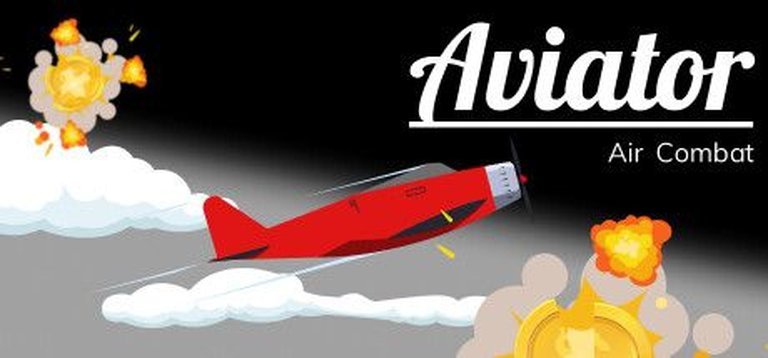
Aviator: Air Combat is a straightforward top-down 2D scrolling shoot ’em up set in a war-themed aerial battlefield, where players control a fighter plane positioned at the bottom of the screen to dodge bombs dropped by incoming bomber aircraft. The objective evolves upon collecting a special ‘Bingo’ coin released by the bomber, which unlocks the ability to fire back at enemies, while gathering gold coins accumulates additional points in this freeware arcade game powered by Unity.
Gameplay Videos
Where to Buy Aviator: Air Combat
PC
Aviator: Air Combat Reviews & Reception
steambase.io (84/100): Very Positive
store.steampowered.com (84/100): Very Positive
Aviator: Air Combat: Review
Introduction
Imagine dusting off a forgotten biplane from your barn as enemy bombers darken the sky over your quiet farmstead—Aviator: Air Combat thrusts you into this pulse-pounding scenario with unapologetic simplicity, evoking the raw thrill of 1980s arcade shoot ’em ups like 1942 or Raiden. Released as a freeware gem on Steam in November 2022, this solo-developed title by Aleksey Sidelnikov revives top-down aviation combat in an era dominated by bloated blockbusters and live-service grindfests. Amid a sea of hyper-realistic flight sims and multiplayer dogfighters, Aviator: Air Combat stands as a defiant ode to arcade purity: dodge, collect, shoot, survive. My thesis? This unpretentious indie shooter isn’t just a nostalgic throwback—it’s a masterclass in focused design that proves less can be exponentially more, earning its wings as a hidden gem for genre enthusiasts.
Development History & Context
Aviator: Air Combat emerged from the solitary vision of Russian developer Aleksey Sidelnikov, who handled every aspect—from coding to publishing—making it a true one-person triumph. Built on Unity, the engine’s flexibility allowed Sidelnikov to craft a lightweight 2D scroller optimized for modest hardware (Pentium 4-era specs suffice), sidestepping the bloat of modern titles demanding RTX GPUs. Released on November 23, 2022, via Steam as free-to-play/public domain software (priced at $0.00), it bypassed traditional publishing hurdles, tapping directly into Steam’s indie ecosystem.
The early 2020s gaming landscape was a perfect storm for such a project: post-pandemic fatigue from sprawling open-world epics fueled demand for bite-sized, replayable experiences. Arcade shooters were resurging via retro collections like Evercade and indie hits such as Steredenn, but aviation-themed ones were scarce outside sim-heavy fare like IL-2 Sturmovik. Sidelnikov’s vision—distilling WWII-inspired dogfights into pure reflex tests—echoed constraints of the NES/SNES era, where memory limits forced tight, elegant loops. No crowdfunding war stories here; MobyGames notes its quiet addition in December 2022, with “Aviator lux” as an alternate title hinting at possible regional tweaks. Technological limits? Unity’s 2D tools handled scrolling vistas and particle effects flawlessly, while direct control via keyboard/mouse ensured accessibility without VR pretensions. In a market flooded by asset-flip cash-grabs, Sidelnikov’s polish shines as a testament to indie grit.
Narrative & Thematic Deep Dive
At its core, Aviator: Air Combat weaves a minimalist war tale stripped of bombast, centering on an unnamed farmer-pilot defending his town from marauding bombers. The setup unfolds via a terse Steam blurb: one morning, spotting an enemy military plane en route to civilization, you dust off your “old single-engine plane” from flight school days. No cutscenes, no voice acting—just implicit stakes: halt the bomber before it razes the city. This underdog narrative echoes classic shmups like R-Type, where the player embodies lone heroism against mechanical hordes.
Thematically, it’s a meditation on reluctant valor and pastoral disruption. Your farmer-avatar symbolizes everyday folk thrust into conflict, contrasting the faceless bomber’s industrial menace. “War” as per MobyGames specs underscores themes of asymmetry: you start powerless, dodging bombs like a David slinging stones at Goliath. Progression unlocks aggression via the “Bingo” coin, symbolizing earned agency—collect it, and retaliation begins, mirroring real aviation lore where scouts turned fighters mid-mission.
Dialogue? Nonexistent, amplifying isolation; themes emerge through escalating difficulty (dozens of levels) and dual bombers/maps, probing endurance and adaptation. No moral ambiguity or lore dumps—just primal survival, critiquing war’s intrusion on peace. Subtle genius lies in repetition: each run reinforces the farmer’s resolve, turning rote gameplay into thematic catharsis. Flaws? Zero character depth risks shallowness, but in arcade tradition, this restraint heightens tension, making every bomb-dodge a narrative beat.
Gameplay Mechanics & Systems
Aviator: Air Combat distills shmup essence into a flawless loop: control your plane at screen-bottom, evade bomber-dropped bombs, snag the pivotal “Bingo” coin to arm weapons, then unleash shells while hoarding gold coins for points. Top-down perspective and 2D scrolling deliver crisp movement—direct keyboard/mouse input feels intuitive, with momentum lending weight to dodges.
Core Loop Deconstruction
– Dodge Phase: Initial levels demand pattern mastery; bombs arc predictably but accelerate, testing spatial awareness.
– Power-Up Pivot: “Bingo” coin flips defense to offense—grab it, and firing activates (multiple shell types: standard shots, perhaps homing or bombs per promo hints).
– Offense & Scoring: Pew-pew the bomber while collecting golds; destruction triggers bonus levels, ramping scores.
Two maps (urban/rural?) and bombers vary encounters, with “dozens of difficulty levels” via procedural intensity—waves densify, speeds spike, mirroring roguelite escalation without permadeath. UI is Spartan: score counter, lives/health bar, coin HUD—clean, non-intrusive. Innovations? Bingo mechanic gamifies vulnerability, preventing spam-shooting; gold coins add risk-reward (chase for multipliers amid fire). Flaws: Repetition may bore speedrunners, lacking branching paths or co-op (1-player only). Yet, progression feels earned—early fragility yields godlike runs at higher levels. Controls shine: mouse for precision aiming, keys for thrust. No progression trees, just high-score chase—pure arcade dopamine.
World-Building, Art & Sound
The game’s world is a stylized WWII fantasia: scrolling skies over farmlands/towns, enemy bombers lumbering overhead like metallic behemoths. Top-down view crafts claustrophobic arenas—bombs rain in parallax layers, grounds dotted with destructible silos/barns for visual feedback. Art direction nails retro charm: pixel-adjacent 2D sprites (Unity-enabled smoothness), vibrant contrasts (blue skies vs. fiery explosions), modest particle effects for tracers/smoke. Two maps differentiate: one pastoral (evoking your farm), another urban (city defense), building atmosphere through environmental tells—smoke plumes signal progress.
Atmosphere thrives on tension: bombers’ slow menace builds dread, bombs’ whistles cue panic. Sound design elevates: “awesome soundtrack” per Steam pulses with orchestral swells and chiptune riffs, syncing to chaos—engine roars on thrust, metallic clangs on hits, triumphant fanfares post-boss. No voice work needed; audio cues (bomb drops, coin chimes) guide intuitively. Collectively, these forge immersion: visuals evoke Gradius nostalgia, sound pumps adrenaline, turning abstract skies into a lived battlefield. Minor nit: Static palettes limit variety, but restraint suits the freeware ethos.
Reception & Legacy
Launch reception skewed player-driven: Steam’s “Very Positive” (84% of 96 reviews) praises addictive loops and nostalgia—”adrenaline-pumping,” per curators—though 15 negatives cite repetition. No Metacritic/MobyGames critic scores (zeros added), underscoring indie obscurity; MobyGames lacks user reviews, added post-release by “lights out party.” Commercially, free model yielded steady plays (1 concurrent noted), no sales data but wishlist traction.
Legacy evolves modestly: As a 2022 outlier amid crash-game “Aviator” hype (Spribe’s unrelated betting phenom), it carves niche as pure shmup successor to Air Combat arcade forebears (1976-1995). Influences? Bolsters Unity indies like Saboteur!, proving solo devs can revive genres. No direct sequels, but tags (Simulation, Top-Down Shooter) inspire clones. Cult status grows via Steam Deck compatibility (positive filters), positioning it as evergreen freebie for shmup fans. Industry ripple: Reinforces F2P arcade viability, countering AAA excess.
Conclusion
Aviator: Air Combat soars as a triumph of restraint—a solo-dev shmup distilling aviation combat to its exhilarating bones, from Bingo-powered reversals to bomb-dodging ballets across escalating skies. Aleksey Sidelnikov’s vision, rooted in arcade heritage yet fresh via Unity polish, delivers endless replayability despite narrative sparsity and repetition risks. Very Positive reception affirms its hooks, cementing a legacy as 2022’s unsung freeware hero. Verdict: Essential for shmup aficionados, a 9/10 masterclass proving simplicity conquers. Download it, take flight—history awaits your high score.