
- Release Year: 2022
- Platforms: Windows
- Publisher: Gillar Limited
- Developer: Gillar Limited
- Genre: Strategy, Tactics
- Perspective: Side view
- Gameplay: Artillery
- Setting: Fantasy
- Average Score: 73/100
Description
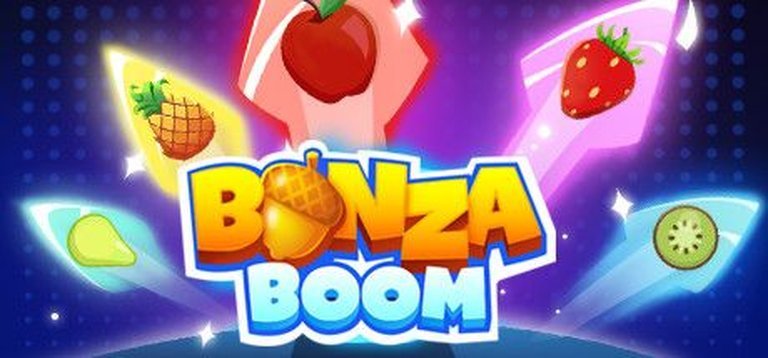
Bonza Boom is a turn-based artillery strategy game set in a vibrant fantasy world where cute animals engage in explosive shooting battles across diverse landscapes like quiet forests, glorious glaciers, sweet paradises, vast deserts, hot volcanoes, and abandoned factories. Players collect golden crowns for victories, unlock new scenes and aircraft, utilize over 50 unique cards with special powers including bombs and tricks, master bullet-time mechanics for aerial combos, and compete in online multiplayer modes such as 2v2 or 3v3, club battles, challenge modes, and special events while customizing characters, names, flags, and stickers.
Where to Buy Bonza Boom
PC
Bonza Boom Reviews & Reception
steambase.io (75/100): Mostly Positive (75/100 from 16 reviews)
store.steampowered.com (71/100): Mostly Positive (71% of the 14 user reviews)
Bonza Boom: Review
Introduction
Imagine a whimsical battlefield where adorable animals hurl fruit-shaped bombs in slow-motion glory, turning brutal artillery duels into cartoonish spectacles of strategy and chaos. Bonza Boom, released in July 2022 by the indie studio Gillar Limited, captures this delightful absurdity in a turn-based card battler disguised as an artillery shooter. Drawing inspiration from Hearthstone-like card games but stripping away the intimidation factor, it invites players—families, kids, or casual gamers—into accessible, explosive multiplayer mayhem. As a game historian, I’ve seen countless hybrids attempt to blend genres, but Bonza Boom stands out for its “card battle enlightenment,” making complex mechanics feel like playful animal antics. My thesis: While not a genre revolutionary, Bonza Boom excels as a low-barrier gateway to strategic depth, blending cute visuals, innovative bullet-time shooting, and social multiplayer into a compulsively replayable package that punches above its $0.99 weight class.
Development History & Context
Gillar Limited, a small Chinese indie studio, birthed Bonza Boom as their first Steam title, porting it from a successful overseas mobile release that garnered positive feedback. Developer logs reveal a clear vision: a Hearthstone fanatic sought to democratize card games, which often alienate newcomers with steep entry barriers. By fusing traditional card mechanics—mana costs, rarities (common to legendary), and deck-building—with side-view, turn-based artillery combat reminiscent of Worms or Gunbound, they created a “zero-burden” experience. The game’s cartoonish aesthetic was chosen to evoke lighthearted animations, reducing the “weight” of competition.
Launched on July 1, 2022 (Steam) / July 2 (MobyGames listing), it arrived amid a post-pandemic surge in casual multiplayer titles on PC, like Vampire Survivors and mobile ports dominating Steam’s indie scene. Technological constraints were minimal—requiring only a modest GTX 960 GPU with Shader Model 5.0 support, Windows 10, and broadband for its online focus—but the era’s emphasis on free-to-play (F2P) models with microtransactions shaped its design. Priced at $0.99 with a $9.99 DLC (Unlock The Whole Card Pool) granting 50+ cards and level boosts, it treads the F2P line carefully, offering free progression via matches and quests. The gaming landscape was saturated with battle royales and MOBAs, but Bonza Boom‘s niche—cute, turn-based PvP with PvE modes—filled a gap for bite-sized, family-friendly strategy amid giants like League of Legends.
Narrative & Thematic Deep Dive
Bonza Boom eschews a linear storyline for emergent narratives born from chaotic animal skirmishes, framing battles as glory hunts among “cute and colorful characters” vying for golden crowns, silver leaves, and leaderboard supremacy. There’s no overarching plot—no epic quests or lore dumps—but themes emerge organically: friendly rivalry turning savage, where personalized flags and national honors evoke tribal pride, and triumph through absurdity, as fruit-bombs yield “juicy and tasty explosions.”
Characters serve as blank-slate avatars, each with unique skins, skills, and personalities implied through stickers (40+ vivid ones for taunts like laughing defeats or kisses). A fox might embody cunning displacement cards, while a bear leverages brute-force bombs—mirroring archetypes in fables where animals anthropomorphize human vices like greed (hoarding trophies) or camaraderie (club chats). Dialogue is sparse, limited to real-time voice messages in multiplayer, fostering player-driven stories: trash-talk in 3v3 rooms, strategy debates in clubs, or triumphant emotes post-combo.
Underlying themes probe accessibility in competition—daily quests and streak bonuses reward persistence without paywalls—and environmental peril, with maps like volcanic terrains or acid pools symbolizing nature’s wrath. In a fantasy setting of “Quiet Forest to Vast Desert,” battles allegorize survival-of-the-fittest romps, critiquing (lightly) how strategy trumps raw power. For families, it’s a metaphor for playful learning: kids grasp mana management through explosive fun, evolving from button-mashing to tactical genius. Critically, the lack of deep lore is a feature, not a bug—prioritizing replayability over scripted drama, much like Fall Guys thrives on emergent hilarity.
Gameplay Mechanics & Systems
At its core, Bonza Boom loops through turn-based artillery volleys on blocky, side-view maps with death pits below. Players select cards (50+ types: throwable bombs, linear lasers, heals, displacements, functionals) costing mana that regenerates per turn, aiming projectiles via direct control with physics-based trajectories. Victory comes via depleting enemy HP or knocking them into pits—dual win conditions adding layers to positioning.
Combat shines in bullet-time mechanics: Launch a fruit-bomb, watch it arc in slow-mo, chain combos mid-air like a “movie star,” stunning foes before landing. Quick-time events (QTEs) amplify tricks, rewarding precise timing. Progression involves deck-building across rarities/levels (up to 5), character skills, and unlocks via crowns/trophies from wins, streaks, or events (e.g., draft challenges with escalating rewards for 5-win streaks).
Multiplayer is the heartbeat: 2v2/3v3 PvP rooms, club teams for chatting/voice tactics, leaderboards per season. PvE shines in Challenge Mode for solo practice and map-specific mechanics (explosive bricks, rising acid). UI is intuitive—clean card hand, map overview, sticker wheel—but demands stable Wi-Fi for combos, per player notes. Flaws: matchmaking can lag in low-pop times; F2P grind exists, though DLC accelerates it. Innovations like scene-specific traps (volcano blasts) force adaptation, elevating it beyond rote shooting.
| Core Loop Breakdown | Description |
|---|---|
| Mana Phase | Accumulate mana, draw cards. |
| Aim & Shoot | Trajectory preview, bullet-time execution. |
| Resolve | Explosions, displacements, counters. |
| Progress | Earn crowns/quests for unlocks. |
Character progression ties roles to decks, with aircraft unlocks for flair. Overall, systems cohere into addictive, strategic loops blending Hearthstone brains with Worms whimsy.
World-Building, Art & Sound
The “universe” spans diverse biomes—Quiet Forest’s serene greens, Glorious Glaciers’ icy perils, Sweet Paradise’s candy chaos, Vast Desert’s sands, Hot Volcano’s eruptions, Abandoned Factory’s acid rises—each with unique traps enhancing tactical depth. Maps are 2D scrolling grids of blocks, fostering verticality and environmental kills, evoking a playground of peril where fantasy meets physics.
Art direction is Bonza Boom‘s crown jewel: cartoony, vibrant 2D visuals with juicy animations—bombs splatter like fruit pies, characters bounce expressively. Cute animals (foxes, bears?) pop with unique skins, stickers adding personality (kisses, laughs). It’s deliberately light, reducing tension for casual play, akin to Animal Crossing battles.
Sound design amplifies immersion: Explosive “booms” with squishy fruit SFX, upbeat chiptune-esque tracks shifting per biome (serene flutes in forests, rumbling bass in volcanoes). Voice chat integrates seamlessly, but emotes/stickers provide non-verbal flair. These elements craft a buoyant atmosphere—chaotic yet cozy—making defeats feel like slapstick, victories euphoric.
Reception & Legacy
Launch reception was quietly positive: Steam’s “Mostly Positive” (71% from 14-16 reviews) praises fresh maps, fun despite Wi-Fi needs, and trading wishes. No Metacritic/MobyGames critic scores—indicative of its indie obscurity—but player snippets laud combos and family appeal (“100% download”). Chinese community thrives via Steam guides (push-map decks, white-jeop welfare, master race builds), with dev logs hyping seasons.
Commercially modest ($0.99 base + DLC), it built on mobile success without blockbuster sales. Reputation evolved positively post-updates (new modes, siege removal). Influence is nascent: As “first card battle enlightenment,” it prefigures accessible hybrids like Marvel Snap‘s quick plays, inspiring F2P artillery-card mashups. In history, it joins Worms-lineage indies democratizing tactics, a footnote for casual strategy’s mobile-to-PC pipeline.
Conclusion
Bonza Boom distills strategic shooting into a candy-coated gem: profound yet approachable, with bullet-time brilliance, map mastery, and multiplayer mirth elevating its cute chaos. Gillar Limited’s vision succeeds—lowering card-game walls for all ages—despite matchmaking gripes and thin solo depth. In video game history, it claims a niche as 2022’s underdog delight, ideal for quick sessions or family rivalries. Verdict: 8.5/10—Buy it, boom some fruits, climb those boards. A small boom with big heart.