
- Release Year: 2019
- Platforms: Android, iPad, iPhone, Windows
- Publisher: Neowiz Corporation
- Developer: Neowiz Corporation, Neowiz GAMFS Inc.
- Genre: Role-playing (RPG)
- Perspective: Side view
- Game Mode: Single-player
- Gameplay: Character gacha, characters control, Gambling elements, Multiple units, Tactical RPG, Turn-based
- Setting: Fantasy
- Average Score: 85/100
Description
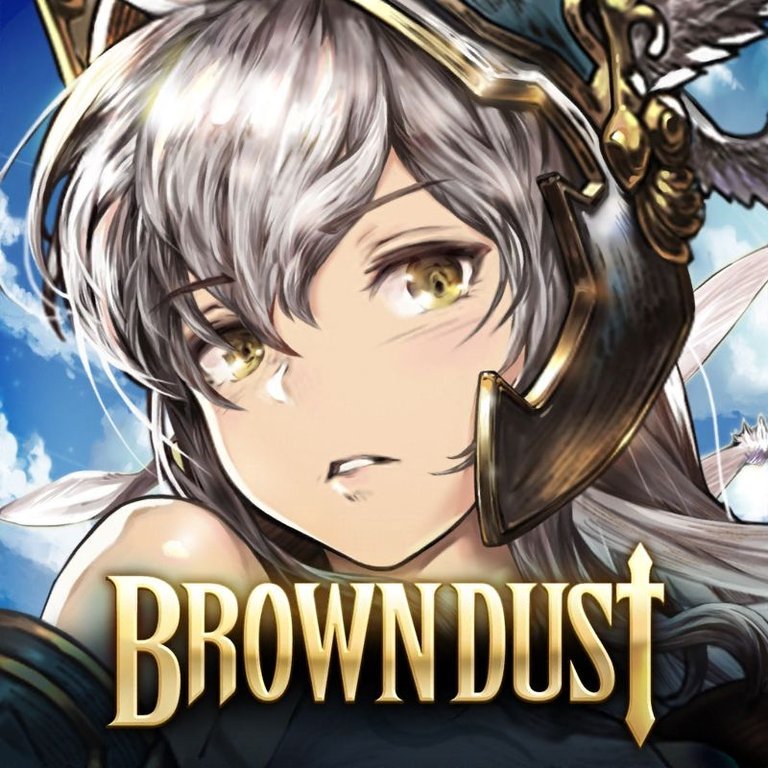
Brown Dust, also known as Brave Nine, is a turn-based tactical RPG set in a fantasy world shattered by the rebellion of the legendary warlord Fabian, who assassinated Emperor Altair II of the Karian Empire in an event called the Solar Eclipse, splitting the kingdom into four factions. As Fabian’s child leading a rising mercenary army, players engage in strategic side-view battles, collect anime-style characters through gacha mechanics, and explore a rich lore featuring powerful warriors like the Six Devils amid a story of betrayal, power struggles, and epic quests.
Gameplay Videos
Brown Dust Guides & Walkthroughs
Brown Dust Reviews & Reception
gamespace.com : Brown Dust’s combat system [is] engaging.
reddit.com : one of the best games out there: devs who actually care.
game8.co (80/100): One of the best mobile games to come out this year.
Brown Dust: Review
Introduction
In the crowded arena of 2019’s mobile gaming landscape, where gacha mechanics often overshadowed substance, Brown Dust emerged as a beacon of tactical sophistication and narrative ambition. Developed by Neowiz GAMFS Inc. and published by Neowiz Corporation, this free-to-play RPG—later rebranded as Brave Nine in select regions—thrust players into a fractured fantasy world born from imperial betrayal. As Fabian’s enigmatic son, you lead a mercenary band to unravel the “Day of the Eclipse,” a cataclysmic regicide that shattered the Karian Empire. This review posits that Brown Dust transcends its gacha roots, carving a niche as a masterful tactical RPG whose depth in combat, lore, and character work elevates it to a modern classic in mobile strategy gaming.
Development History & Context
Neowiz Corporation, a South Korean powerhouse known for titles like DJMAX and later Brown Dust II, entered the mobile fray with Brown Dust on March 7, 2019, launching first on iOS before expanding to Android and iPad, with a Windows port in 2023. Studio Neowiz GAMFS Inc., the creative core, harnessed Unity to craft a side-view, fixed/flip-screen tactical RPG amid a 2019 market saturated by Fate/Grand Order, Epic Seven, and Arknights. These contemporaries leaned heavily on spectacle and auto-battle simplicity, but GAMFS envisioned a “real-time turn-based” system demanding player ingenuity—positioning, initiative queues, and class synergies—on touchscreens constrained by battery life and session lengths.
The era’s technological limits shaped Brown Dust‘s design: compact 3×6 grids for quick loads, anime-inspired 2D art to minimize rendering demands, and gacha for monetization without paywalls blocking progression. Neowiz’s vision drew from classics like Fire Emblem and Final Fantasy Tactics, adapting them for mobile’s bite-sized play. Pre-launch hype via trailers like “[Brave Nine] Trailer – Master Your Tactics!” promised over 300 unique mercenaries, blending Korean efficiency with global appeal. A 2020 name change to Brave Nine in English, Thai, German, French, and Spanish markets (retaining Brown Dust in Korea, Japan, and China) reflected localization efforts amid growing esports ambitions. By 2024, Neowiz sunset monetization, enabling offline play—a prescient pivot as player retention waned against newer titles, underscoring the studio’s adaptability in a volatile gacha ecosystem.
Narrative & Thematic Deep Dive
Brown Dust‘s lore is a tapestry of betrayal, legacy, and fractured power, centered on the “Solar Eclipse”—Fabian’s assassination of Emperor Altair II alongside the Six Devils (Alec, Angelica, Grandhildr, Celia, Nartas, Refithea). Dubbed “The Emperor Killer,” “The Moon that Eclipsed the Sun,” and “The Master of the Six Devils,” Fabian’s revolt splintered the Karian Empire into factions like the Rian Republic (Royalists vs. Republicans), Allan Alliance (Doves vs. Hawks), Sbern Federalists (various schisms), and Twilight Order. Seven years later, you—the player character, Fabian’s son—masquerade as a mercenary captain (customizable name, voiced with personality) to expose hidden truths, aided by core allies like Elin, Carlson, Rigenette, Beatricé, Maria, Arines, Lydia, and Adel’s circle (Adel, Laura, Martius, Naressa, Yuri).
The plot unfolds across chapters blending visual novel interludes with tactical missions, exploring themes of familial inheritance (your patricidal lineage haunts interactions), moral ambiguity (the Six Devils as “ominous stars” who vanished post-Eclipse, neither wholly villainous nor heroic), and post-imperial chaos (mercenaries thrive amid nation-states’ proxy wars, monsters, and Terra-corrupted demons). Dialogue shines in character backstories—e.g., Naressa’s mana lore (body-stored mana, sacrificial extremes, corrupting Terra)—and factional intrigue: Arclight’s saintly priests vs. knightly templars, Pirate disruptions in Sbern, Black Market machinations.
Subtle revisions (e.g., early chapters tweaking Captain’s backstory, adding Elin’s twin for a faked-death ruse) reflect iterative storytelling, with spinoffs like Brave Nine Story (lighter, shut down 2024) and Brown Dust II (prequel 11 years prior) expanding the multiverse. Themes resonate: power vacuums breed mercenaries as PMCs, echoing real-world geopolitics; “The Name that Cannot Be Spoken” evokes taboo legacies. Weaknesses include “Blind Idiot” Translations in side content, but the main arc’s gripping reveals—Fabian’s true motives, Eclipse’s ripples—deliver emotional payoff, making it a standout gacha narrative.
Gameplay Mechanics & Systems
At its core, Brown Dust innovates turn-based tactics via a Command Phase/Execution Phase loop on a 3×6 grid. Deploy up to 9 mercenaries (Warriors for melee/ranged damage, Defenders for tanking, Magicians for charged AoE/debuffs, Supporters for buffs—no damage output), assign initiative numbers (1-9 via Visual Initiative Queue), then watch simultaneous resolution: your #1 acts, enemy’s #1 counters, cycling rounds until annihilation. Supporters auto-surrender if alone, forcing hybrid teams.
Progression layers gacha recruitment (normal/gold scrolls for 1★-4★; Ancient Coins for Legendaries like Six Devils; endgame Mythics) with rank-ups (crystals from weekly farms), awakenings (dupe shards unlock skills), and no gear grind—focusing purity on synergy. UI excels: intuitive drag-placement, auto-save formations, PvP arenas with matchmaking. Strengths include positioning depth (e.g., Beatricé anti-Defender nukes early queue; Arines buffs low-initiative attackers) and meta balance (Com Mons fodder, Olympian Legendaries OP but banner-locked).
Flaws? Gacha volatility (fair drops sans spending, per reviewers), PvP volatility from unadjustable post-start queues (mitigated in sequel), and autoplay inadequacy for puzzles. Yet, innovations like genderbent skins, guest fighters (DJMAX, Trails into Reverie), and events (Mystic Island trades, daily logins) sustain engagement. Post-2024 offline mode preserves legacy play.
World-Building, Art & Sound
The fantasy setting—a “swords and magic” kitchen sink of elves, demons, undead bombs, mechs, beastkin—thrives on post-Eclipse balkanization: Karian remnants, Guild Federations, Hell’s denizens (Aie, Edin), even Magic Engineers (Dr. Morgan). Atmosphere evokes schizo-tech chaos: knights vs. riflemen, Terra’s dark mana corrupting all.
Art dazzles with anime/manga aesthetics—chibi sprites in fixed/flip-screen battles, over 300 detailed portraits (World of Buxom fanservice: busty warriors, stripperiffic Nubile Savages like Barbara). Stunning animations (skill unleashes, jiggle physics) and trailers (“Call of Destiny”) immerse, though chibi charm suits mobile humility.
Sound elevates: Anime theme songs (“VOID” JP), weighty clashes, orchestral scores syncing with mana bursts. Voice acting (multi-language) conveys emotion, from Fabian’s gravitas to mercenaries’ banter. Together, they forge a cohesive, atmospheric experience—nostalgic yet vibrant.
Reception & Legacy
Critically, Brown Dust scored 90% (Noisy Pixel: “wonderful story, memorable characters, deep gameplay”; GameSpace: 7.5/10, praising combat/PvP, critiquing story flatness). Commercially, 2M+ downloads signaled success, though gacha fatigue loomed. Player reviews scarce but positive on updates; Reddit queries highlight lore curiosity (e.g., Lathel prequel ties).
Reputation evolved: 2020 rebrand boosted Western visibility; sequels (Brown Dust II, 2023 prequel with 3×4 grids, multiverse Packs) and spinoffs amplified influence. Legacy? Pioneered mobile TBT depth, inspiring gacha tactics (Arknights positioning echoes); offline shift preserves it as artifact. Influences: Fire Emblem Heroes grids, Epic Seven art; culturally, Korean gacha’s “caring devs” ethos.
Conclusion
Brown Dust (Brave Nine) masterfully fuses tactical brilliance, rich lore, and anime allure into a gacha gem that punches above mobile’s weight. Its Eclipse saga, initiative-driven combat, and factional depth endure, flaws like gacha and translations notwithstanding. In video game history, it claims a pivotal spot: bridge between 2D tactics heritage and modern F2P, birthing a series that refined the formula. Verdict: Essential for strategy fans—9/10. Download it offline today; its legacy eclipses the sun.