
- Release Year: 2016
- Platforms: Macintosh, PlayStation 4, PS Vita, Windows
- Publisher: Tribute Games Inc.
- Developer: Tribute Games Inc.
- Genre: Action
- Perspective: Side view
- Game Mode: Single-player
- Gameplay: Platform
- Setting: Ninjas
- Average Score: 71/100
Description
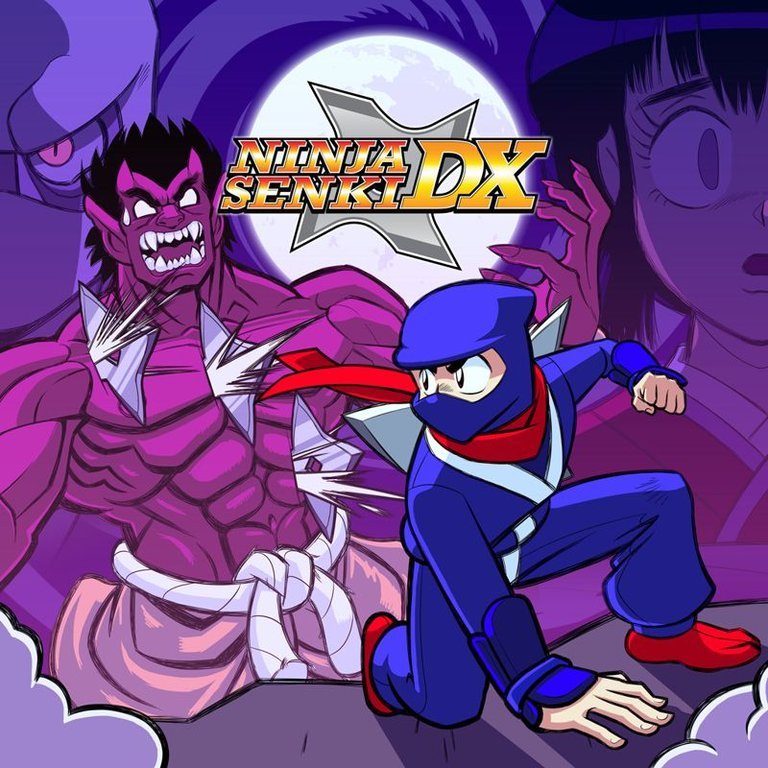
Ninja Senki DX is a deluxe edition of the 2D side-scrolling action platformer where players control Hayate, a master shurikenjutsu ninja who discards his art of invisibility to seek revenge against a demon that slays Princess Kinuhime, battling through pixel-art levels in a retro 8-bit style inspired by NES and Game Boy classics like Ninja JaJaMaru-kun and Mega Man.
Gameplay Videos
Where to Buy Ninja Senki DX
PC
Ninja Senki DX Reviews & Reception
opencritic.com (70/100): Anyone who has a fondness for old-school platformers or action games from the NES era should get plenty of enjoyment out of Ninja Senki DX.
destructoid.com : Ninja Senki DX offers several new features and improvements to make it worth the price tag.
metacritic.com (72/100): The controls are tight, the visuals and audio are simple and charming, enemy types are varied and interesting.
gemubaka.com : $4.99, which is a steal considering I would have to nitpick to weed out any negatives.
Ninja Senki DX: Review
Introduction
In an era dominated by sprawling open-world epics and hyper-realistic blockbusters, Ninja Senki DX arrives like a razor-sharp shuriken to the heart of nostalgia—a compact, unyielding tribute to the golden age of NES platformers. Originally a freeware passion project from 2010, this deluxe re-release by Tribute Games in 2016 polishes Jonathan Lavigne’s pixelated vision into a $4.99 gem available on PS4, PS Vita, Windows, and Mac. Drawing inspiration from classics like Mega Man and Ninja JaJaMaru-kun, it thrusts players into the role of Hayate, a vengeful blue ninja hurling infinite shurikens through 16 demon-infested stages. Ninja Senki DX isn’t just a game; it’s a precision-engineered time capsule that captures the brutal joy of 8-bit mastery, proving that simplicity, challenge, and charm can outshine modern excess. My thesis: This DX edition elevates a cult freeware hit into an essential retro platformer, blending tight mechanics, folklore-inspired foes, and smart additions that cement its place as a beacon for indie homage in a post-Shovel Knight world.
Development History & Context
Ninja Senki DX traces its roots to 2010, when solo Canadian developer Jonathan Lavigne self-published the original Ninja Senki as freeware on Windows. Crafted in GameMaker with an 8-bit aesthetic mirroring Game Boy’s 160×144 resolution, it was Lavigne’s debut, born from a deep love for NES-era action-platformers. Lavigne handled code, art, and design single-handedly, with Patrice Bourgeault composing the chiptune soundtrack via FamiTracker and Jean Chan crafting SFX using SFXR. Testers like Olivier Bourque and special thanks to indie luminaries—Maddy Thorson (TowerFall), Chevy Ray Johnston (Lovers in a Dangerous Spacetime), and even Keiji Inafune (Mega Man)—underscored its grassroots passion.
By 2016, Lavigne, now co-founder of Tribute Games (known for Mercenary Kings and Wizorb), revisited his creation for a commercial “DX” upgrade to celebrate its fifth anniversary. Tribute handled publishing and enhancements, targeting PS4 and PS Vita alongside PC/Mac via Steam (App ID 405540). Technological constraints evoked NES limitations deliberately: no power-ups, finite lives, and precision platforming, all within GameMaker Studio. Released February 23, 2016, amid a retro indie renaissance (Shovel Knight, Super Meat Boy), it navigated a landscape craving bite-sized challenges over bloated titles. DX updates addressed palette-swapped enemies with full redesigns (e.g., sumo wrestlers, umbrella beasts), swapped gore for fireworks on deaths, remixed the OST (with toggle for original), and added modes like Hardcore (no saves), Boss Rush, and Challenges. This evolution from freeware obscurity to polished cross-buy Vita/PS4 title exemplifies indie’s power to resurrect and refine era-specific design in a console generation favoring ports and remasters.
Narrative & Thematic Deep Dive
At its core, Ninja Senki DX weaves a minimalist revenge saga steeped in Japanese folklore, delivered through sparse cutscenes and environmental storytelling. Hayate, the “shurikenjutsu master,” witnesses Princess Kinuhime’s brutal slaying by a enigmatic ninja demon—eerily mirroring his own silhouette in white. Consumed by katakiuchi (blood revenge), Hayate discards his clan’s art of invisibility for a direct, shuriken-flinging crusade against hellish denizens: yokai, oni, and mythological beasts. The plot unfolds across 16 levels, culminating in a multi-ending structure tied to points earned (from kobans/coins and enemy kills), ranging from tragic downfall to redemptive triumph. High scores unlock the “best” closure, questioning if vengeance heals or dooms.
Thematically, it’s a meditation on obsession’s cost. Hayate’s abandonment of subtlety symbolizes rage’s corrupting allure, with levels progressing from earthly dojos to infernal realms mirroring his descent. Dialogue is absent—replaced by expressive pixel animations—but bosses embody hubris: a demon doppelganger forces self-confrontation. Multiple paths (unlocked modes/characters) add replay depth, exploring revenge’s futility amid folklore foes like umbrella yokai (kasa-obake) and sumo spirits. Critics noted its brevity as a flaw, yet this restraint amplifies NES-style economy: plot serves gameplay, evoking Mega Man‘s robotic rebellions or Shinobi‘s shadowy vendettas. In DX, refined visuals heighten emotional beats, making Hayate’s arc a poignant undercurrent to pixelated fury.
Gameplay Mechanics & Systems
Ninja Senki DX distills platforming to its essence: “jump ‘n chuck.” Hayate’s kit—run, double-jump, infinite giant shurikens—fuels a Mega Man-esque loop across 16 time-limited stages. Core progression demands pattern mastery: enemies (folklore-inspired, e.g., hopping frogs, fire-breathing kitsune) demand precise shuriken volleys mid-leap, while spikes, pits, and precision platforms test reflexes. No upgrades; health refills via points (enemy kills + kobans), granting extra lives at full HP. Two lives per level, death restarts from the start—punishing, yet fair, with continues preserving progress.
DX shines in expansions: Challenge Mode tasks per-level feats (kill all enemies, 100% kobans, par time), Boss Rush isolates spectacles (pattern-based, multi-phase), and Hardcore Mode bans saves with continue penalties, amplifying tension. UI upgrades track kobans, kills, and times, aiding mastery. Controls are buttery—tight collision, responsive jumps—but PC keyboard (WASD/J/K) lacks remapping, favoring gamepads. Flaws? Bosses lack depth (repetitive patterns), and spikes feel “cheap,” per reviews. Yet balance excels: short (1-2 hours) runs reward practice, speedrunning potential high. Multiple endings gatekeep perfection, while an alternate character (unlocked post-game) refreshes runs. Innovative? Time pressure and point-driven narrative tie score-chasing to story, subverting pure action.
| Mechanic | Strengths | Weaknesses |
|---|---|---|
| Combat | Infinite shurikens enable aggressive play; varied foe AI. | Predictable bosses. |
| Platforming | Double-jump shines in vertical design. | Spike deaths frustrate newcomers. |
| Progression | Point system multitasks (health/lives/endings). | No shop/upgrades limits depth. |
| Modes | Challenges extend replayability. | Hardcore too punishing for casuals. |
World-Building, Art & Sound
The game’s world is a vibrant feudal Japan warped by infernal invasion: bamboo forests yield to lava hells, dojos to yokai lairs. 8-bit sprites (cute, colorful) evoke NES charm—Hayate’s fluid animations pop against layered parallax backdrops. DX’s redesigns diversify foes (no lazy palettes), fireworks deaths add whimsy over original’s “bloody spheres.” Atmosphere builds via escalating biomes: early earthly peril ramps to mythological chaos, spikes/pits enforcing tension.
Art direction nails retro fidelity—Game Boy scaling on modern screens feels intimate. Sound design elevates: Jean Chan’s SFXR effects (crisp shurikens, meaty thuds) pair with Patrice Bourgeault’s FamiTracker OST. Toggle original chiptunes or lush remixes; both loop hypnotically, from urgent dojos to epic boss themes. Collectively, they forge immersion: visuals charm, audio propels, creating a “retro challenge” bubble where every pixel and note screams authenticity.
Reception & Legacy
Launched to modest buzz, Ninja Senki DX garnered 78% on MobyGames (2 critics: Use a Potion! 80%, Video Chums 77%), Steam’s “Mostly Positive” (106 reviews, ~71%), and Metacritic’s mixed 72 (Destructoid 80, Hardcore Gamer 50). Praise hailed tight controls, nostalgia, value (“too good to be free,” per Destructoid); gripes cited shortness, boss simplicity, “generic” retro vibes (Push Square 3/10). Parents lauded E10+ fantasy violence (comical 8-bit gore toned down), appealing to 10+ for challenge sans maturity.
Legacy endures as Tribute’s origin story—pre-Mercenary Kings, influencing their pixel polish. It rode the indie retro wave, akin Shovel Knight, proving freeware viability. No massive sales, but cult status grows via speedruns, Vita portability. Credits linking to Thorson/Inafune hint broader ties. In history, it’s a micro-masterpiece: democratizing NES rigor for modern players, inspiring bite-sized indies amid endless sequels.
Conclusion
Ninja Senki DX masterfully resurrects Jonathan Lavigne’s 2010 freeware into a 2016 essential, blending Mega Man-precise platforming, folklore revenge tale, and DX modes into 1-2 hours of pure, challenging bliss. Polish—redesigned enemies, dual OSTs, UI tweaks—elevates it beyond homage, while flaws (boss depth, controls) pale against $4.99 value. For retro historians, it’s a testament to indie’s power: capturing NES soul without imitation. Verdict: 9/10—an indelible pillar of 8-bit revivalism, essential for platformer purists, a swift katakiuchi against forgettable modern fare. Play it, master it, avenge Kinuhime—history demands no less.