
- Release Year: 2011
- Platforms: PS Vita, PSP, Windows
- Publisher: NIS America, Inc.
- Developer: System Prisma Co., Ltd.
- Genre: Role-playing
- Perspective: Diagonal-down
- Game Mode: Single-player
- Gameplay: Action RPG
- Setting: Fantasy
- Average Score: 66/100
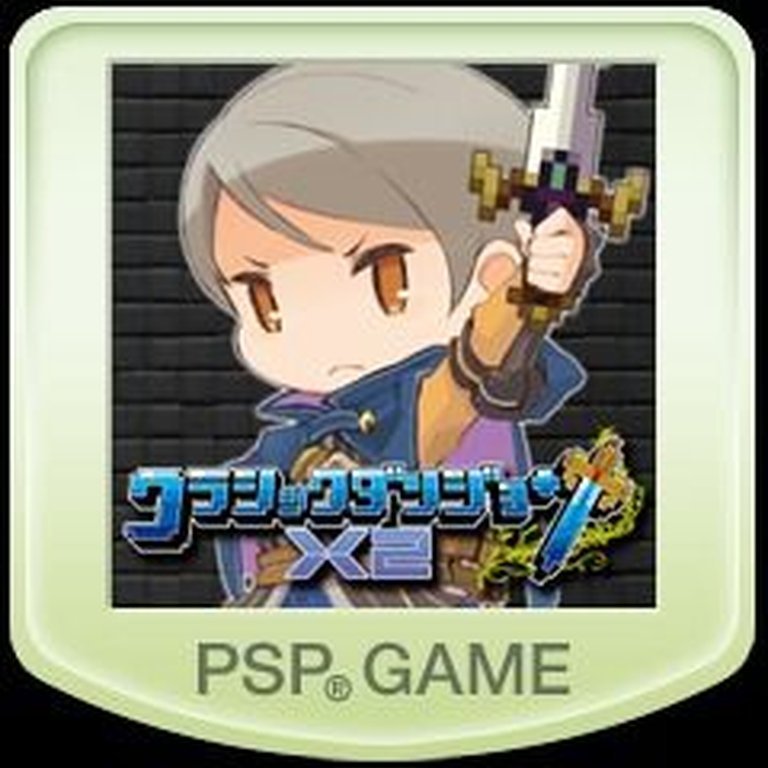
Description
ClaDun X2 is a fantasy action RPG set in the town of Arcanus Cella, where players explore procedurally generated dungeons filled with challenges, battling enemies in real-time with customizable classes, equipment, and anime-style 2D visuals. As the sequel to ClaDun: This Is an RPG, it offers direct control gameplay in a diagonal-down perspective, originally released on PSP and later ported to PS Vita and Windows.
Gameplay Videos
Where to Buy Cladun X2
PC
Cladun X2 Free Download
Cladun X2 Mods
Cladun X2 Guides & Walkthroughs
Cladun X2 Reviews & Reception
metacritic.com (74/100): Mixed or Average
elder-geek.com : offers its players a degree of customization rarely seen in the media
steambase.io (64/100): Mixed
gamespot.com (60/100): ClaDun is a solid dungeon crawler, but it might not hold your interest for long.
dualshockers.com : there is quite a bit of good that comes from these retro-inspired dungeon crawlers.
ClaDun X2: Review
Introduction
Imagine stumbling into a pocket-sized parallel universe called Arcanus Cella—a verdant, inescapable island prison teeming with procedurally generated dungeons, where the only path to redemption (or escape) is endless monster-slaying and gear-tinkering. This is the addictive hook of ClaDun X2 (short for Classic Dungeon X2), the 2011 sequel to System Prisma’s cult PSP hit ClaDun: This Is an RPG. Building on its predecessor’s retro pixel-art dungeon crawling, X2 amplifies customization to godlike levels, letting players redraw characters, remix weapons, and even compose chiptune soundtracks. As a sequel in Nippon Ichi Software’s (NIS) quirky RPG lineage—sandwiched between Disgaea epics and spiritual successors like Legasista—it carves a niche for grind enthusiasts. My thesis: ClaDun X2 is a masterful love letter to 8- and 16-bit action RPGs, redeeming its repetitive core with unparalleled player agency, though its punishing roguelike elements and thin narrative gatekeep all but the most dedicated.
Development History & Context
System Prisma Co., Ltd., a small Japanese developer founded by veterans from NIS’s orbit, helmed ClaDun X2 under director Shinichi Ikeda, chief programmer Yu Kitajima, and design director Mizuki Kamoda. As a follow-up to 2010’s ClaDun, it emerged from a vision to homage “classic dungeon crawlers” like The Legend of Zelda, Shining Soul, and SNES-era Quartet titles (Ys clones), blending top-down action with deep editing tools. NIS America published the PSP digital-only release on August 30, 2011, targeting the handheld’s twilight amid the PS Vita’s shadow—ports followed for Vita and PC (Steam) in 2012.
The PSP era constrained X2 to 2D scrolling visuals and direct control, leveraging UMD/download formats for quick sessions. Yet, this bred innovation: the Magic Circle system evolved from the original’s sub-character grids, now with Awakening spaces for burst power. Technological limits amplified retroux appeal—blocky sprites hid nuanced animations—while the 2011 landscape favored portable indies (Cave Story ports) and grindfests (Monster Hunter). NIS, fresh off Disgaea 4, bet on niche appeal, pricing at $19.99 PSN. Credits list 84 contributors, including localization by Ryuta Sato and Phoenix Spaulding, ensuring quirky dialogue survived Westward. No major patches noted, but PC export/import for edits fostered communities like the Cladun X2 Edit Wiki.
Narrative & Thematic Deep Dive
ClaDun X2‘s plot is an “excuse” framework, lighter than its predecessor’s dessert-themed cast (Pudding, Souma). You craft a nameless hero trapped in Arcanus Cella—a condemned pocket dimension/prison for “sinners” (amnesia-wiped innocents, per twists). Guided by the affably evil Parchmin (a shape-shifting dragon in human guise, voiced with jive-turkey slang), you “atone” via dungeons, feeding kills to awaken sealed Big Bad Death Glutton—an Emotion Eater thriving on despair.
Cutscenes punctuate hub-town chats in Arcanus Cella, unlocking sparse NPCs like masochistic Lamb, genius Mouton, and bartender-princess Dotache. Dialogue shines: personality traits (narcissist, shy) flavor banter, yielding laughs like seduction ploys or “Die Laughing” disease gags. Themes probe cosmic playthings—prophecies twist (Pudding’s cure dream subverted), friendship powers Magic Circles (literalized as enchantments), evil misreads humanity (Parchmin’s utopia gambit backfires). Multiple endings per character (bad via tree-door, good post-boss) add replay; X2‘s hidden bad end post-Death Glutton nods failure’s vindication.
Parchmin’s arc dominates: body-surfing administrator Widder, goading kills, only for Death Glutton to “kill the dog” for poor conduct—spoofing Noble Demons. Tropes abound (Big Bad Friend, Freaky Friday Flip), but shallowness suits grind-focus; story’s brevity (10-20 hours main) contrasts postgame eternity, emphasizing player-driven tales over developer dictate.
Gameplay Mechanics & Systems
ClaDun X2‘s loop is pure dungeon delver: enter via Arcanus Cella’s “Moving Door,” clear floors (reach exit/gate), return with loot/EXP (lose on death). Core combat: diagonal-down action RPG with six weapons—swords (quick 3-hit combos), daggers (rapid pokes), hammers (slow smashes, no shield), spears (range), bows (charge spam), staffs (elemental SP-drains). Traps (invisible till near: fire/ice for status, pitfalls) demand caution; terrain (ice slips, spikes) adds friction. Bosses test patterns—e.g., shielded knights force flanks, trees spew AoE.
Innovation crowns the Magic Circle: class-locked grids (20/class) slot sub-characters as “human shields” (damage proxies), artifacts (ATK/DEF/HP/SP boosts), and Widens (double downstream effects, rare 1/1000 drops). Ten classes (Warrior to Shaman) offer job skills (Merchant’s Death Money saves gold on death), abilities/Magic Circles via leveling/job changes (retain ~90% stats at LV99). UI shines: precise decimal damage, beast-menace HP bars, editable loadouts in-hub.
Progression grinds fame for shops/circles; Ran-geons (99-floor randoms: Neo/Tri variants twist levels/drops via Angel/Devil/Doom Gates—hidden traps to high-rewards). Flaws: hitbox dissonance (swing timing off), SP-hungry sorcery backfires, grindwalls (sub-leveling). Yet, editing elevates: redraw sprites/animations, MML-compose BGM, title-equip gear (e.g., Vampire drains HP/no EXP). Quick clears (30s early floors) hook bursts, but Tri-geons’ brutality (Immortals unkillable sans Punish Title) demands builds.
| Mechanic | Strengths | Weaknesses |
|---|---|---|
| Combat | Fluid weapons, elemental exploits | Uneven hitboxes, no mercy i-frames |
| Magic Circle | Endless optimization | Mana-capped, sub-death cripples |
| Dungeons | Procedural replay, gates variety | Trap spam, Doom Gate Kaizo |
| Customization | God-tier edits (music/gear) | Overwhelming sans guides |
World-Building, Art & Sound
Arcanus Cella enchants: a tiny hub (shops, tree-door for endings) amid fantasy biomes—jungles, deserts, graveyards, eldritch Doom Worlds (eye-walls, Immortals). Dungeons theme cohesively (4 floors/story), escalating to Bleak Levels like Madness Pantheon. Atmosphere evokes Binding of Isaac-lite dread with roguelike permadeath tension (lose dungeon loot).
Visuals: Anime/manga retroux—vibrant pixels detail frogs’ tongues, boar charges, beholder-esque Immortals. Custom sprites breathe life; blockiness belies nuance (capes flow). Sound: Stellar dual OST—modern/orchestral vs. 8-bit chiptune (player-remixable via MML). “Call of the Dungeon” anime theme fits oddly perfectly; beast-menace entries gag (double entendres, tropes). Elements synergize: retro tunes pump nostalgia, pixels immerse despite scale.
Reception & Legacy
Launch reception mixed-positive: Metacritic 74 (PSP), lauded by ZTGD (87: “must-check RPG”), Gaming Nexus (83: “last great PSP game”); Destructoid (60) nitpicked generic combat vs. 3D Dot Game Heroes. Steam (64% positive, 164 reviews) echoes grind love/hate. Commercial: Niche digital success (18-19 MobyGames collectors), no sales bombs but PSP twilight limited reach.
Reputation evolved: Postgame depth (hundreds hours) won fans; communities (Fandom wikis, Edit Wiki) thrive on shares. Influenced NIS’s ClaDun Returns: This is Sengoku! (2017, multiplayer/Wutai), ClaDun X3 (2025), Legasista (2012 successor). Revived roguelike-action hybrids, prefiguring Hades/custom indies; editing pioneered user-gen content pre-Spelunky 2.
Conclusion
ClaDun X2 distills dungeon crawling to its essence: grind, customize, conquer. Its Magic Circles and edits forge player legacies amid Arcanus Cella’s perils, redeeming thin story/repetition with retro purity. Flaws—frustrating deaths, obtuse guides—test patience, but triumphs (soundtrack highs, build euphoria) cement it as a PSP swan song. Verdict: Essential for action RPG historians and tinkerers—a 8.5/10 cult gem, pivotal in NIS’s portable pantheon, proving pocket worlds yield infinite adventures. Seek it on Steam for eternal Ran-geons.