
- Release Year: 2020
- Platforms: Nintendo Switch, Windows
- Publisher: Forever Entertainment S. A.
- Developer: Forever Entertainment S. A.
- Genre: Action
- Perspective: 3rd-person
- Game Mode: Single-player
- Gameplay: Music, rhythm
- Average Score: 67/100
Description
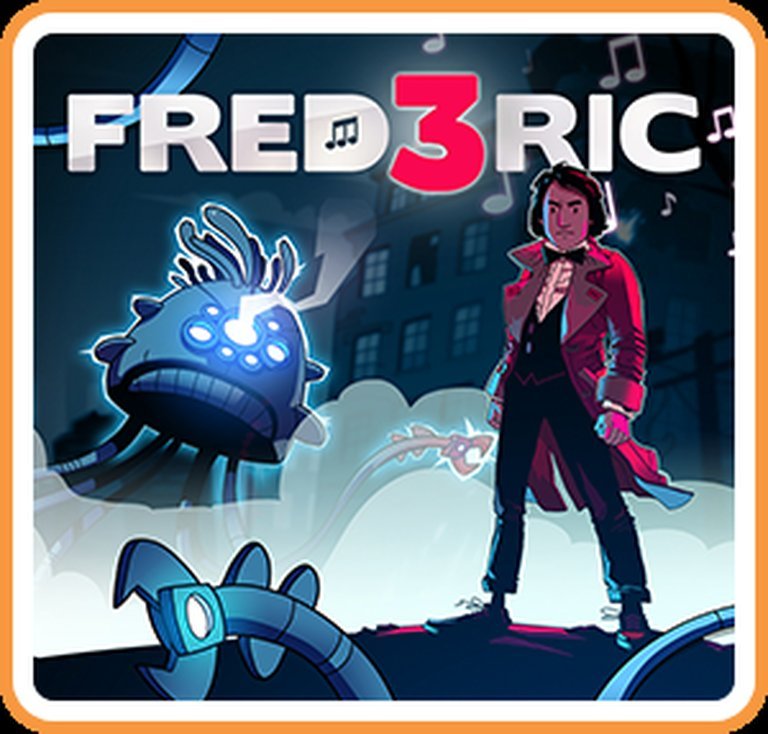
Fred3ric is a humorous rhythm game where players control the resurrected Frederic Chopin, battling other composers possessed by the cybernetic villain Zeitgeist through intense musical duels on a virtual piano keyboard. In this third installment of the Frederic series, developed by Forever Entertainment, players navigate a whimsical 2D world of animated illustrations, mastering notes like in Guitar Hero to prevent the antagonist from hurling Chopin into a time vortex and erasing his legacy.
Where to Buy Fred3ric
PC
Fred3ric Cracks & Fixes
Fred3ric Reviews & Reception
metacritic.com (70/100): Though the amount of content is definitely lacking in Fred3ric, it offers straightforward gameplay and enjoyable melodies. Detailed backdrops also enhance the experience and keep levels looking fresh.
opencritic.com (70/100): Though the amount of content is definitely lacking in Fred3ric, it offers straightforward gameplay and enjoyable melodies. Detailed backdrops also enhance the experience and keep levels looking fresh.
Fred3ric: Review
Introduction
Imagine Frederic Chopin, the frail 19th-century piano virtuoso, resurrected not once but three times to shred on a cosmic keyboard against cyborg Beethoven and time-warping robots—welcome to Fred3ric, the absurdly pun-titled third installment in Forever Entertainment’s cult rhythm game series. Since its debut in 2012 with Frederic: The Resurrection of Music, this Polish indie franchise has carved a niche by mashing classical masterpieces into rock-opera anthems and pitting undead composers against cartoonish evils. Fred3ric (2020) amps up the stakes with cybernetic foes and time-travel twists, delivering bite-sized musical duels that charm with humor and melody but stumble on polish and depth. My thesis: While it faithfully extends the series’ goofy legacy, Fred3ric feels like a nostalgic encore rather than a symphony’s crescendo—short, sweet, and occasionally off-key in an era craving rhythmic innovation.
Development History & Context
Forever Entertainment S.A., a Toruń-based Polish studio founded in 2003, has quietly built a portfolio blending horror (Hollow), remasters, and quirky indies. Fred3ric emerged from their Frederic series, kickstarted in 2012 on iOS and PS Vita amid the twilight of the mobile rhythm boom post-Guitar Hero and Rock Band. The original Resurrection of Music resurrected Chopin to battle pop-star parodies, selling modestly on touchscreens where finger-tapping mimicked piano keys. Evil Strikes Back (2014) followed on iOS, Linux, and more, introducing Zeitgeist—the cybernetic antagonist returning here.
By 2020, rhythm games had evolved: Beat Saber (2018) brought VR immersion, Crypt of the NecroDancer (2015) fused roguelikes with beats, and indies like Spin Rhythm XD emphasized procedural flair. Forever pivoted to Nintendo Switch (Feb 20, 2020) for touch controls and PC (Sep 21 via Steam), targeting $9.99 (often discounted to $0.99). Tech constraints were minimal—2D assets on modest specs (Dual Core 2.8GHz, GeForce 7800)—reflecting indie thrift amid COVID delays (Steam forums gripe about postponed launches). The 2010s gaming landscape favored accessible singleplayer indies on Switch, but Fred3ric launched into a saturated rhythm niche, lacking the procedural depth of contemporaries. Forever’s vision? A “crazy plot” homage to Chopin’s Polish roots, blending national pride with global absurdity—no blockbuster budget, just passion for reinterpreting etudes as space-rock bangers.
Narrative & Thematic Deep Dive
Fred3ric‘s story is a fever-dream comic strip: Chopin, post-Evil Strikes Back victory, faces Zeitgeist—a “wicked, cybernetic quintessence of absolute evil” hurling him through time vortices to strip his life’s treasures (love, legacy?). Zeitgeist possesses history’s maestros, forging steel-bound cyborgs: Hyper J.S. Bach (keyboard shredder), Ludvig Van Cyborg (Beethoven with hyper-hearing), Mozart, and Edvard Grieg. Eight duels culminate in an “extensive final,” framed by cartoon cutscenes blending steampunk, sci-fi, and slapstick.
Plot Structure: Linear campaigns echo Guitar Hero bosses but with serialized flair. Prologue recaps Chopin’s undead saga; mid-game escalates via time-warped arenas (e.g., Beethoven’s symphony hall warped cyberpunk). Dialogue is sparse, punny voiceover—Chopin grunts stoically, foes taunt mechanically. No branches; it’s setup for jams.
Characters: Chopin is a silent punk-hero: top-hat rebel with piano prowess. Antagonists shine—Bach’s fugues become hyper-riffs, Beethoven mashes “Symphony No. 5” with “Ode to Joy.” Zeitgeist embodies AI hubris, critiquing modernity’s “zeitgeist” devouring classics.
Themes: Absurdist satire on legacy vs. obsolescence. Classical icons “infected” by cybernetics mock remixes in EDM/pop (e.g., Chopin’s etudes as dubstep). Time manipulation nods existential dread—Chopin fights erasure in a digital age. Humor undercuts pathos: pizzas/monkeys litter backgrounds, evoking Where’s Wally? chaos. Polish pride permeates (Chopin as national savior), but it’s lightweight—more meme than manifesto. Critiques? Assumes series familiarity; newcomers miss lore depth, feeling Zeitgeist’s grudge contrived.
Gameplay Mechanics & Systems
Core loop: Rhythm duels on a virtual piano (F-to-C octave: 4 white/3 black keys). Notes cascade down a staff; tap in-time for points, chains, multipliers. Battle meter tugs-of-war—fill >50% to win. Power-ups (story mode) boost scores; miss notes drain meter.
Controls & Input: Switch touch shines—finger-piano naturalism. PC keyboard mimics keys (customizable binds) but feels cramped; Steam forums lament no MIDI/USB keyboard support. No tutorial (menu guide only)—self-explanatory for vets, baffling newbies.
Progression & Modes: Singleplayer-only. Difficulty scales (easy adapts to skill); replay for stars (near-100% accuracy). 8 levels + finale (~2-3 hours total). Achievements (17 Steam): “Pure Perfection” frustrates via sync quirks. UI: Clean staff, meter top-screen; bouncing notes distract, “center line” misaligned (Higher Plain Games notes visual-audio desync).
Innovations/Flaws: Piano layout evokes authenticity vs. frets; opponent medleys (Grieg mashups) reward recognition. Flaws: Repetitive (no free-play?), short length, no sync calibration. Chains (10 perfects) unlock highs, but tracking woes kill precision—fun casually, hell for purists.
| Mechanic | Strengths | Weaknesses |
|---|---|---|
| Note Input | Intuitive touch; classical familiarity aids timing | PC binds awkward; bouncing visuals obscure |
| Scoring | Multipliers/chains addictive | Desync punishes perfectionists |
| Duels | Thematic bosses elevate stakes | Predictable meter; no opponent visibility |
| Progression | Quick mastery; adjustable difficulty | Linear, brief—no roguelike replayability |
World-Building, Art & Sound
Settings: Time-vortex arenas—warped concert halls, cosmic voids. 2D hand-drawn art: Comic-panel cutscenes, detailed static backdrops panning like Cuphead vignettes. Frenetic: Monkeys hurl pizzas amid floating skulls; foes’ cyber-limbs gleam. Atmosphere: Humorous chaos tempers rhythm tension—overwhelming (LadiesGamers notes eye-strain), yet immersive.
Visual Direction: Bold cartoons suit absurdity; character designs pop (cyborg Beethoven’s ear-augs). Contributions: Backdrops comic-relief, masking repetition.
Sound Design: Reinterpreted classics steal show—Chopin’s nocturnes rock-infused, Beethoven’s motifs electronic. Clean hits ring pure; errors sour discordantly. SFX: Piano thumps, cyber-clanks. No OST separate (forums ask). Audio elevates: Familiar melodies hook casuals, pros dissect arrangements. Polish VO adds charm.
Synergy: Art/sound absurdity amplifies “classical vs. modern” theme—vibrant chaos mirrors remixes’ boldness.
Reception & Legacy
Launch: Switch eShop quiet; Steam “Mixed” (63% positive, 38 reviews)—praise for tunes/art, gripes on length/sync/controls. No Metacritic aggregate (tbd); critics sparse: GameGrin (7/10, “straightforward, charming”), Higher Plain (7/10, “short but sweet”), Kotaku (glowing impression, loves Chopin gimmick). Forums: Achievement bugs, no easy mode/demo, MIDI pleas. Commercial: Niche sales (8 MobyGames collectors); $0.99 Steam fire-sales boost accessibility.
Evolution: Reputation stabilized as “guilty pleasure”—series fans adore; newcomers indifferent. No MobyScore/reviews on some sites. Influence: Marginal—pioneers classical-rhythm fusion (pre-Trombone Champ), inspires Polish indies. Legacy: Frederic trio cements Forever’s Chopin niche (outranking Eternal Sonata), quirky footnote in rhythm history amid Guitar Hero giants. Forums pine Frederic 4; cult potential grows via discounts.
Conclusion
Fred3ric distills the Frederic series’ punk-classical soul into 8 duels of delightful absurdity: Zeitgeist’s cyborg composers, remix masterpieces, and comic pandemonium craft infectious fun. Yet brevity, input quirks, and desync mar its rhythm, suiting casual Switch taps over PC grinds. In video game history, it’s a charming Polish oddity—a testament to indie’s weird persistence amid rhythm giants. Verdict: 7/10—buy on sale for Chopin’s undead encore; series completists rejoice, but it won’t redefine the genre. Play for the puns, stay for the piano-shredding catharsis.