
- Release Year: 2014
- Platforms: Windows
- Genre: Action
- Perspective: Top-down
- Game Mode: Single-player
- Gameplay: Shooter, Space flight
- Setting: Futuristic, Sci-fi
- Average Score: 76/100
Description
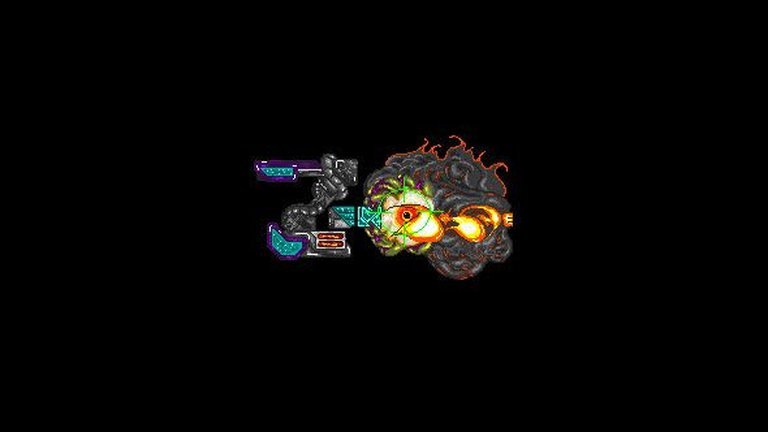
Zenodyne is a vertical-scrolling shoot ’em up set in a sci-fi futuristic universe, where players select from two different spaceships equipped with dual fire modes, power-ups, medals, and limited bombs to battle through five stages teeming with enemies and formidable bosses across two difficulty levels.
Where to Buy Zenodyne
PC
Zenodyne Reviews & Reception
metacritic.com (69/100): Mixed or Average
niklasnotes.com (83/100): Overall, Zenodyne R is well-received for its nostalgic appeal, challenging gameplay, and excellent soundtrack
Zenodyne: Review
Introduction
In the pantheon of video games, few genres evoke the raw, unfiltered adrenaline of the arcade era quite like the vertical-scrolling shoot ’em up—or “shmup,” as aficionados fondly call it. Amid the bullet-sprayed chaos of Space Invaders descendants like R-Type and Gradius, Zenodyne emerges as a humble yet ferocious 2014 freeware gem, a digital love letter to Sega Genesis classics that single-handedly reignited a micro-revival in indie shmups. Developed by a tight-knit collective under pseudonyms like Kaiser and Railslave, this top-down space shooter distills the essence of 90s “blast processing” into five blistering stages of medal-chasing mayhem. My thesis: Zenodyne isn’t just a game; it’s a foundational artifact in the modern indie shmup renaissance, proving that passion projects built on free tools like GameMaker could rival arcade legends, even if its brevity and brutality limited mainstream appeal.
Development History & Context
Zenodyne arrived in 2014 like a rogue asteroid in an era dominated by sprawling open-world epics and mobile match-3s. Released on March 25 as freeware/public domain for Windows, it was crafted by a skeleton crew of 16 contributors—primarily indie enthusiasts rather than a formal studio. Lead programmer Przemek Zimny (credited as Kaiser for gameplay and KSR for graphics) handled core mechanics, with technical backbone from John Smoth (BPze). Graphics came from a collaborative pool including Dylan Barry (Railslave), FireSeraphim, and Perry Sessions (Rozyrg), while music was spearheaded by Barry with a mod pack from Jason Koohi. Testers like Christopher Emirzian (Udderdude, later tied to XOP) formed a grassroots network, many of whom recur across related titles.
Built in GameMaker, Zenodyne navigated severe technological constraints: no dedicated hardware scaling, relying on software-rendered 2D scrolling for its vertical action. This era’s indie scene was nascent—itch.io bundles and Steam Direct were emerging, but shmups languished post-90s arcade decline. The Genesis/Mega Drive’s YM2612 chip loomed large culturally (foreshadowing its full embrace in the remake), amid a landscape craving nostalgia. Zenodyne was a “quick project,” as its polished successor Zenodyne R (2016) admits, born from creators’ vision to homage bullet-dodging spectacles like M.U.S.H.A. and Truxton. It kicked off the Zeno series (Zenohell in 2015, Zenodyne R, and Zenodeath), influencing Team Grybanser Fox’s output and crossovers like Super XYX. In context, it bridged doujin circles and Western indies, arriving just as bullet hell gained Steam traction via titles like Ikaruga ports.
Narrative & Thematic Deep Dive
Shmups rarely prioritize story—plot is propellant for gameplay, not the payload—but Zenodyne weaves a minimalist sci-fi tapestry that punches above its weight. You’re a lone pilot in a futuristic galaxy, blasting through alien armadas across five stages: from neon asteroid fields to colossal boss fortresses. No cutscenes or voiced dialogue; narrative emerges via stage prologues (implied in series lore) and medal/power-up collection, evoking mercenary defiance against overwhelming odds.
Characters are archetypal yet evocative: select from two ships—G85 (rapid spread-shot for swarm control, piloted by implied hotshot Greg Striker) or Dualizer (focused vulcan/swide fire toggle, Wolfgang Mauser’s Nanocorps experiment). Themes orbit perseverance amid chaos, mirroring shmup psychology: one hit ends runs, demanding pattern mastery. Underlying motifs include technological hubris (Nanocorps tech vs. alien hordes) and isolation—your ship as fragile speck in bullet storms. Dialogue is absent, but unlocks in sequels (tech points revealing lore) retroactively flesh pilots like Amelia Summers or Xiayun, hinting Zenodyne‘s skeleton as modular “Holy Trinity” (plot progression via stages, pilot backstories as characters, sci-fi setting as lore).
Analytically, it’s environmental storytelling at core: enemies drop medals symbolizing scored victories, power-ups as fleeting empowerment. No branching morals like BioShock, but replayability fosters player-driven arcs—grinding for high scores embodies determination. Flaws? Barebones plot risks emptiness for non-fans, but thematically, it amplifies shmup’s emotional anchor: fierce, fleeting triumph.
Gameplay Mechanics & Systems
Zenodyne‘s core loop is shmup purity: auto-scroll vertically, dodge bullet hell while unleashing dual firemodes, bombs, and medal chains across five stages teeming with foes and bosses. Ships differentiate playstyles—G85’s spread excels in crowds (high coverage, balanced speed), Dualizer’s toggle (narrow power vs. wide spray) rewards mode-switching. Power-ups max quickly (one death downgrades slightly, respawn drops restore), emphasizing sustained fire over resource scarcity. Bombs clear screens/invulnerability bursts (limited stock), crucial for pinches.
Innovations shine in medaling: enemies drop small/medium/big medals (1000/5000/20,000 pts), chaining unbroken yields score multipliers and extends—genre staple refined for addiction. Two difficulties (Normal: slower bullets, linear; implied Arcade precursor: faster, branching hints) gate mastery. UI is spartan: crisp HUD tracks score, lives, bombs, power—Gamepad/keyboard support, no frills.
Flaws emerge: frantic pacing (fast ships, rapid fire) demands split-second reads, newbie-hostile without tutorials. No unlocks in original (unlike R’s tech points grind), but five stages loop replayably. Bosses demand pattern memorization—multi-phase behemoths with homing shots. Innovative? Focus modes prefigure R’s ships (e.g., speed-altering lasers). Overall, tight loops reward improvement, though repetitive early deaths frustrate.
| Mechanic | Strengths | Weaknesses |
|---|---|---|
| Firing | Dual patterns per ship; constant hold-fire | Power trivial post-max |
| Dodging | Responsive controls; bomb escapes | Busy bullets obscure |
| Scoring | Medal chains/extends | Grind-heavy for highs |
| Progression | 5 stages + bosses | Linear; short (~20-30min clears) |
World-Building, Art & Sound
Zenodyne‘s sci-fi universe pulses with retro futurism: asteroid belts yield to starship graveyards, culminating in boss colossi. Atmosphere thrives on spectacle—constant explosions, laser barrages create “Blast Processing” illusion despite GameMaker limits. Visuals: pixel-perfect 2D sprites (Railslave’s dynamic blasts cycle frames for motion; enemies from tiny tanks to turreted dreadnoughts). Backgrounds evoke Genesis parallax (neon gradients, stars), but busy palettes occasionally camouflage bullets—a R-critiqued flaw present here.
Sound design elevates: Dylan Barry’s chiptune tracks channel YM2612 FM synthesis—synth-heavy bangers with effects rivaling SNES samples. Explosions pop crisply, shots staccato-rhythmic. No voice, but scoring jingles reinforce highs. Collectively, they forge immersion: visuals’ frenzy + audio’s pulse = arcade trance, transforming abstract space into lived peril.
Reception & Legacy
Launch reception? Meteoric obscurity—no MobyScore, zero MobyGames reviews, freeware status buried it amid 2014’s Dark Souls II hype. Niche forums buzzed; testers like Udderdude seeded cult following. Commercially null (free), but critically spawned Zeno series—Zenohell (2015), Zenodyne R (2016 Steam, 83% Very Positive; praised nostalgia/music, dinged grind/visibility), Zenodeath. R’s 50% Defunct Games pan (unlock grind) echoes originals’ replay demands, yet Waltorious lauds accessibility.
Influence: Revived indie shmups pre-Enter the Gungeon, inspiring GameMaker doujins (Super XYX). Crossovers (Fire Arrow ship in R) built communities; Shmups Wiki canonizes mechanics (TLB paths). Evolved reputation: from forgotten freebie to series progenitor, echoing Cave indies’ endurance.
Conclusion
Zenodyne endures as indie shmup bedrock—a brisk, brutal tribute honing Genesis ghosts into digital eternity. Its lean design, collaborative spirit, and mechanical purity birthed a legacy outpacing content, flaws (repetition, opacity) notwithstanding. In history’s arcade annals, it claims a vital niche: proof small teams could resurrect bullet hell for new eras. Verdict: Essential for shmup historians (9/10); casuals, seek R. Download it free—history awaits your medals.