
- Release Year: 2015
- Platforms: PlayStation 4, Windows, Xbox One
- Publisher: Bandai Namco Entertainment Europe S.A.S.
- Genre: Special edition
- Average Score: 81/100
Description
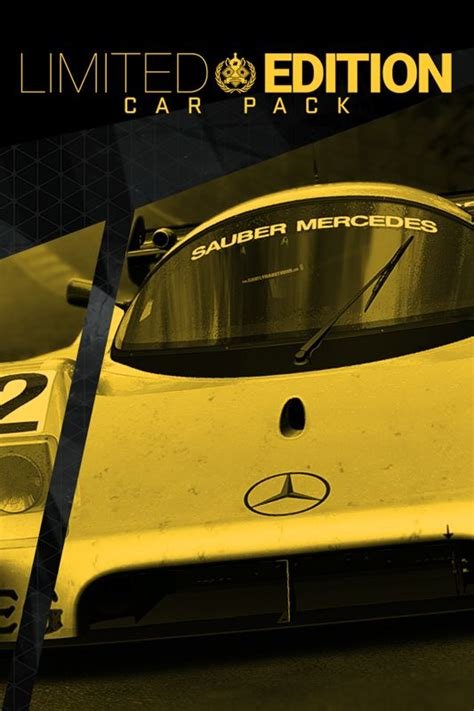
Project CARS (Limited Edition) is a premium retail release of the acclaimed motorsport racing simulator developed by Slightly Mad Studios, offering players a realistic driving experience across over 30 unique locations with 110 different courses—both real-world circuits and fictional tracks—featuring 74 drivable cars, dynamic weather and lighting changes, and advanced physics simulation, enhanced by exclusive content including a steel case packaging, behind-the-scenes book, Limited Edition Car Pack with five iconic vehicles like the McLaren F1 and Ford GT40 Mk IV, and a Modified Car Pack adding three more high-performance cars such as the Pagani Zonda Cinque Roadster.
Project Cars (Limited Edition) Cracks & Fixes
Project Cars (Limited Edition) Mods
Project Cars (Limited Edition) Reviews & Reception
ign.com : Tough but satisfying and cruel but fair, Project CARS is a truly fantastic racing game with the potential to become a real force in the genre.
metacritic.com (83/100): Generally Favorable
opencritic.com (80/100): Deep and demanding but incredibly user-friendly, Project CARS is real racing done right.
imdb.com (80/100): Project CARS is the best sim racer on the market and a sandbox for sim racing fans.
Project Cars (Limited Edition): Review
Introduction
Imagine gripping the wheel of a Ford GT40 Mk IV as rain slicks the Côte d’Azur-inspired coastal road, tires aquaplaning under dynamic weather shifts while your race engineer crackles over the radio with urgent pit strategy. This is the intoxicating rush of Project CARS (Limited Edition), Slightly Mad Studios’ 2015 triumph that redefined sim racing by blending hardcore authenticity with unprecedented accessibility. Born from a groundbreaking community-funded model, this special edition elevates the base game’s sandbox of 74 cars and 110+ tracks with exclusive steelbook packaging, a “By Racers 4 Racers” behind-the-scenes book, and eight bonus vehicles—including legends like the McLaren F1 and Pagani Zonda Cinque Roadster. As a cornerstone of the Project CARS series, it captured the essence of motorsport’s grit and glory amid a landscape dominated by Gran Turismo and Forza. My thesis: Project Cars (Limited Edition) isn’t just a game; it’s a collector’s milestone and a pivotal sim racer that proved crowd-sourced development could deliver photorealistic physics and player agency, cementing its legacy despite licensing woes.
Development History & Context
Slightly Mad Studios, founded by ex-SimBin developers behind the acclaimed GTR series, unveiled Project CARS in 2011 as “Community Assisted Racing Simulator” (C.A.R.S.). With a modest $5 million budget—$2.25 million from over 27,000 community “Tool Pack” backers via the WMD Portal—the studio bypassed traditional publishers initially, empowering fans as testers, asset creators, and marketers. Backers received perks like early builds, profit shares (up to €110,000 for top tiers), and in-game credits, fostering a collaborative ethos that influenced modern crowdfunded titles like Star Citizen.
Bandai Namco came aboard as publisher in 2014, handling the 2015 multi-platform launch (PC May 6, PS4/Xbox One May 7-12). Directed by Andy Tudor and designed by Stephen Viljoen, the game leveraged an evolved Madness Engine from Need for Speed: Shift, introducing the real-time SETA tire model for dynamic grip simulation. Tech constraints of the era—DirectX 11 GPUs, PhysX physics—pushed boundaries: console cars boasted 60,000 polygons, VR support for Oculus Rift/PlayStation VR was baked in early, and dynamic weather/time-of-day spanned multi-day race weekends.
The 2015 gaming landscape pitted it against Forza Motorsport 6 (Xbox exclusivity) and the aging Gran Turismo 6. Project CARS differentiated via its “sandbox” philosophy: no grinding for unlocks, immediate access to all content. Delays (from 2014 to 2015) refined AI and multiplayer, but Wii U/PS3/Xbox 360/Linux ports were axed due to hardware limits—Wii U hit just 23fps at 720p. The Limited Edition, with its steel case and exclusive packs, targeted collectors, mirroring boutique releases like Driveclub‘s premium variants amid a shift toward digital deluges.
Professional input elevated realism: ex-Top Gear Stig Ben Collins voiced pit radio and tuned handling; Nicolas Hamilton and Oliver Webb consulted on physics. This era’s hardware boom enabled Project CARS‘ leap, but expiring licenses foreshadowed its 2022 delisting.
Narrative & Thematic Deep Dive
Project CARS eschews cinematic plots for an emergent “driver’s journey” narrative, embodied in its career mode and radio chatter. No protagonists or dialogue trees exist; instead, themes emerge through progression: the rags-to-riches ascent from karts to LMP1 prototypes, mirroring real motorsport’s hierarchy. Career emails from team principals offer contracts across open-wheel, GT, touring, and endurance paths—e.g., Renault Clio cups to Le Mans glory—crafting a personalized saga of ambition and resilience.
Underlying motifs pulse via dynamic elements: mastery over chaos (SETA tires degrade in rain, forcing adaptation); team dependency (pit bungles like fumbled wheel nuts simulate pressure); and legacy pursuit (Hall of Fame goals like “Zero to Hero” or “Triple Crown”). Radio from Collins evokes Top Gear‘s tension—”Distance to leader: closing!”—weaving urgency without voice acting. The Limited Edition’s book deepens this, chronicling real racers’ tales, thematically linking player exploits to history.
Flaws? AI quirks (e.g., illegal pit strategies) disrupt immersion, and absent cutscenes limit emotional arcs. Yet, this restraint amplifies themes of solitary focus, evoking Senna or Rush—raw, unfiltered drive. In a genre of scripted drama (Grid), Project CARS thematizes simulation as narrative: your lap times write the story.
Gameplay Mechanics & Systems
At its core, Project CARS loops through customizable race weekends: shakedowns, practice, qualifying, races—skippable or simulatable. Sandbox freedom shines: 74 cars (plus Limited Edition’s eight exclusives) across classes, 30+ locations (23 real, like Nürburgring; fictional like Azure Coast), immediate unlocks. Progression? Contract-based careers with parallel paths; no cash grind, just performance for re-signs or upgrades.
Physics deconstruct flawlessly: SETA tires model heat/wear/aquaplaning in real-time, suspensions animate visibly (e.g., lowered ride heights shift CoG), diffs/LSD tweak traction. Aids scale accessibility—traction control, ABS, lines for casuals; raw inputs for wheel users. UI excels: movable HUDs, per-session AI sliders (0-100), lap analyzers. Custom races tweak weather slots, pitting, fuel.
Innovations: LiveTrack 2.0 evolves track rubbering dynamically; multiplayer playlists (no matchmaking, dev-curated) foster leagues; time trials benchmark globals. Flaws persist: buggy AI pileups on starts, absent animated pits (cut from builds), online mismatches (e.g., LMP1 vs. GT3). Limited Edition adds value via packs, but no unique modes. Controls demand finesse—karts feel frenetic, road cars whale-like—yet filtering suits pads/wheels. Verdict: Ferocious tactical depth, user-friendly tweaks make it the most approachable hardcore sim.
World-Building, Art & Sound
Tracks form the “world”: real icons (Silverstone, Hockenheim) mingle with fictional (Ruapuna Speedway), point-to-points evoke Pacific Coast Highway. Atmosphere thrives on dynamism—dawn fog to dusk storms, leaves swirling in wakes, sun flares blinding corners. Visuals stun: 60k-polygon cars detail cockpits/marble buildup; rain beads sans wiper physics but transforms grip. PC scales to photorealism; consoles hold 30-60fps.
Sound design immerses: Engine roars (Pagani wails, V8 growls) via Stephen Baysted’s orchestral-electronica score, evoking epic tension. Pit radio adds narrative flavor; tire squeals feedback grip. Limited Edition’s book/physicals enhance tactile “world”—steelbook evokes premium garage.
Collectively, elements forge unrelenting immersion: wet tracks glisten perilously, night races demand adaptation, amplifying motorsport’s peril-beauty.
Reception & Legacy
Launch Metacritic: PC/PS4 83/100, Xbox One 81/100 (IGN 8.9, GameSpot 8). Praised for visuals/physics (“stunningly gorgeous”—Destructoid), career flexibility; critiqued AI bugs, content gaps (no Ferrari/Lambo). Sold 1M in weeks, 2M by 2016; topped UK charts. D.I.C.E. Racing GOTY nominee.
Reputation evolved: Patches fixed AMD issues/VR (HTC Vive 2016); GOTY Edition bundled DLCs (e.g., Nürburgring Nordschleife). Influenced Forza‘s weather, Assetto Corsa‘s mods; sequels (Project CARS 2/3) expanded rally/arcade. Delisted 2022 (licenses), but physicals endure. Limited Edition fetches premiums on resale, symbolizing crowdfunded success amid EA/Codemasters acquisition ending series.
Conclusion
Project Cars (Limited Edition) masterfully fuses sim purity with sandbox liberty, its community roots yielding a physics pinnacle that outshines contemporaries. Exclusive content and packaging make it a historian’s gem, despite AI hiccups and delisting. In video game history, it ranks among sim racing elite—9/10, essential for wheel enthusiasts, vital for genre evolution. Rev your engine; this journey awaits.