
- Release Year: 2013
- Platforms: Linux, Macintosh, Windows
- Publisher: Crystal Shard, Screen 7 Entertainment
- Developer: Crystal Shard
- Genre: Adventure, RPG
- Perspective: Third-person
- Game Mode: Single-player
- Gameplay: Combat, Fishing, Graphic adventure, Puzzle-solving, Survival
- Setting: Fantasy
- Average Score: 81/100
Description
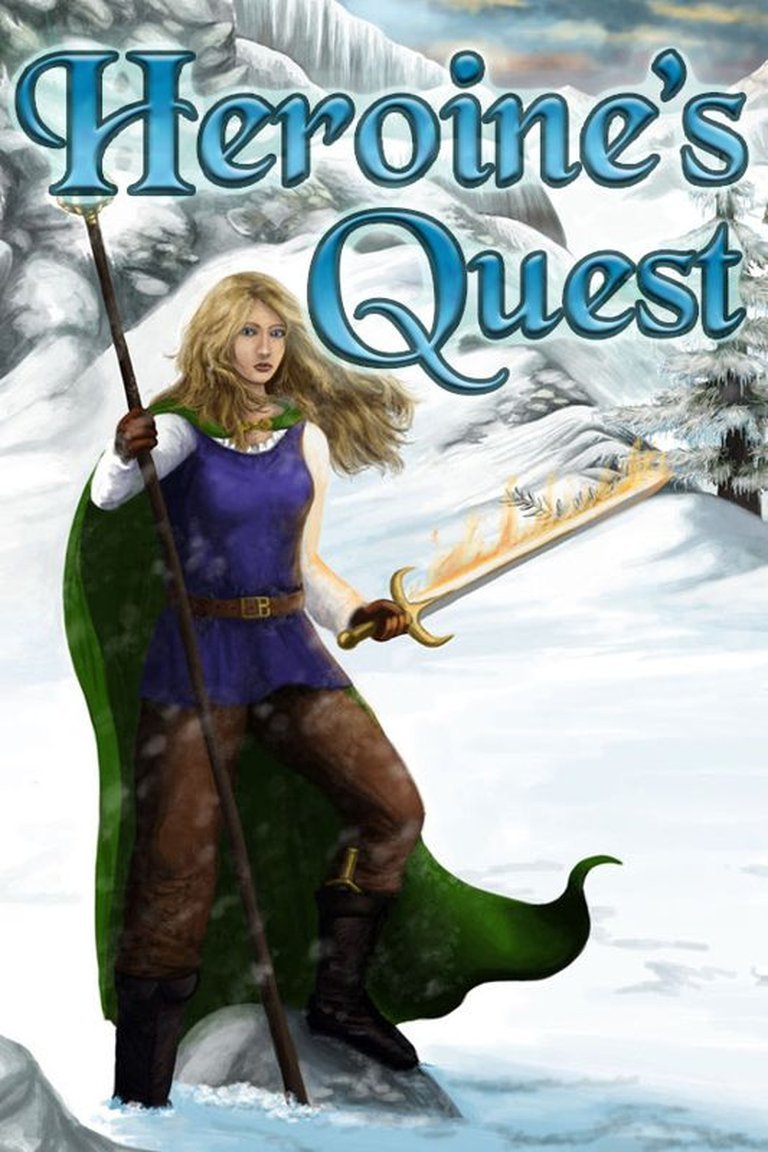
Heroine’s Quest: The Herald of Ragnarok is a free adventure-RPG tribute to Sierra’s Quest for Glory series, set in a Norse mythology-inspired fantasy world where an unnatural winter heralds Ragnarok. As a female adventurer ambushed by trolls and awakening in the Adventure Guild of Jarnvidir, you choose from warrior, sorceress, or rogue classes (or mix skills), develop abilities through practice, navigate day/night cycles and NPC schedules, manage survival needs like hunger and cold, and battle frost giants to prevent Loki’s release and the end of the world.
Gameplay Videos
Where to Buy Heroine’s Quest: The Herald of Ragnarok
Heroine’s Quest: The Herald of Ragnarok Free Download
Heroine’s Quest: The Herald of Ragnarok Guides & Walkthroughs
Heroine’s Quest: The Herald of Ragnarok Reviews & Reception
metacritic.com (85/100): Heroine’s Quest can be inspired by the classic Quest For Glory franchise, but provides more freshness to the genre than most of current adventure games.
indiegamereviewer.com : A very clear tribute to seminal point-and-click fantasy adventures.
choicestgames.com (70/100): This is a game by Quest for Glory fans, for Quest for Glory fans.
mobygames.com (84/100): The spiritual successor to Quest for Glory.
steambase.io (88/100): Very Positive.
Heroine’s Quest: The Herald of Ragnarok: Review
Introduction
In the frostbitten realms of Norse mythology, where endless winter heralds the doom of Ragnarok, few games capture the essence of heroic legend quite like Heroine’s Quest: The Herald of Ragnarok. Released as a freeware labor of love in 2013 by Dutch studio Crystal Shard, this Adventure Game Studio (AGS)-powered hybrid of point-and-click adventure and RPG stands as a luminous tribute to Sierra On-Line’s iconic Quest for Glory series. Waking from a troll ambush in the Adventure Guild of Jarnvidr, players embody a customizable female heroine thrust into a world gripped by Fimbulwinter—scarce food, aggressive trolls, and whispers of apocalyptic giants. What begins as survival in a desperate village evolves into a saga against Loki’s machinations and the frost giant Egther. This review argues that Heroine’s Quest not only reveres its forebears but elevates the genre through meticulous Norse lore integration, refined mechanics, and atmospheric depth, cementing its status as a modern classic worthy of eternal replay.
Development History & Context
Crystal Shard, a small independent Dutch studio founded by director Pieter Simoons, crafted Heroine’s Quest as a passionate homage amid the early 2010s indie renaissance. Simoons penned the story and script, drawing from the Poetic Edda and Snorri Sturluson’s Prose Edda for authentic Norse mythology. Lead artist and animator Corby LaCroix, alongside Dmitrii Zavorotny (art, animation, music) and Elissa Ng (art, voice direction), assembled a 44-person credit list including musicians Matthew Chastney and voice actors like Nikkita Bradette. Additional contributions from Mike Allard, Ivan Mogilko, and others highlight a collaborative fangame ethos.
Built on the AGS engine—famed for Sierra-style adventures—the game navigated 2013’s technological constraints: 256MB RAM minimum, mouse-only input, and pixel art evoking 256-color VGA era limitations. Yet, it thrived in a landscape dominated by AAA blockbusters like Grand Theft Auto V and the rising indie wave (Papers, Please, The Stanley Parable). Free distribution on platforms like itch.io, Steam (2014 release), and GOG positioned it against freemium models, emphasizing “priceless” quality over monetization. Ongoing updates—v1.2.9 in 2023, macOS port and German translation in 2024—reflect decade-long support, including the 2017 Developer Appreciation Package. Amid Sierra’s demise and Quest for Glory‘s cult legacy, Crystal Shard’s vision revitalized hybrid adventure-RPGs, proving small teams could rival classics without commercial pressures.
Narrative & Thematic Deep Dive
Plot and Character Arcs
The narrative unfolds in Fornsigtuna and Munarvagr, villages besieged by unnatural winter orchestrated by Egther, Midgard’s last frost giant, and his troll enforcer Thrivaldi. Amnesiac after a troll ambush, the heroine signs the guild logbook, embarking on quests amid poverty, illness, and Ragnarok omens. Key arcs involve thwarting Thrivaldi’s Thiassi-eye heist to free Loki, venturing to Svartalfheim, and culminating in Gastropnir’s showdown. Class-specific events—warriors befriend trolls like Thriwaldi, rogues exploit curses, sorceresses brew herbs—branch dynamically, fostering replayability.
The protagonist, Keira Lightbringer, evolves from “green adventurer” to famed heroine, her growth mirroring Quest for Glory‘s heroism but with deeper personalization via hybrids. NPCs like Ratatosk (doom-squirrel) and dynamic villagers (day wandering, night tavern frolics) breathe life; witty dialogues, voiced excellently (e.g., Karen Hayman, Edwyn Tiong), blend humor (fireplace chats, bridge-pushing) with grimness—mourning, starvation—evoking Quest for Glory: Shadows of Darkness but rooted in Eddaic prophecy.
Themes and Dialogue Mastery
Themes probe heroism amid apocalypse: selfless duty versus survival, mythology’s weight (lindworms, giants, Fenrir’s stirrings), and gender inversion of Viking sagas via a female lead praised by Quest for Glory creator Corey Cole. Fimbulwinter mechanics symbolize encroaching doom, building resistance through cold exposure. Dialogue shines—witty, lore-rich, grayed-out repeats streamline talks—integrating myths integrally (Svartalfheim travel, Loki’s trickery). Humor gently skewers tropes (fourth-wall breaks) while grim poverty looms, creating tonal balance superior to Quest for Glory‘s lighter fare. Curses and moral choices (e.g., ignoring warnings) add peril, though one persistent cursed item frustrates, persisting post-restore—a “cruel prank” per reviewers.
Gameplay Mechanics & Systems
Core Loops and Progression
Heroine’s Quest masterfully fuses Sierra adventures with RPG depth. Classic UI—walkabout, look/touch/mouth/talk icons, inventory, class skills—navigates 100+ hand-painted scenes. Skills advance via practice (e.g., combat, herbalism, stealth), with notifications eliminating sheet-checking. Survival demands anti-starvation/cold management, day/night cycles, and NPC schedules for realism.
Character creation offers warrior (melee, Animal-Keen), sorceress (magic, Herbalism), rogue (stealth, seduction), or hybrids. Progression feels organic: early trolls demand strategy, late-game one-shots reward mastery. Puzzles vary by class (multiple solutions), blending logic (fishing, mapping) with exploration; auto-map and notepad aid, though the latter’s single-page limits utility.
Combat and UI Innovations
Combat eclipses Quest for Glory‘s clunky systems, resembling QFG2’s timing but deeper: three attacks/evasions (warriors add block/parry), weapon swaps against varied foes (trolls, lindworms, giants). Foe-specific tactics (optimal weapon/attack) sustain challenge. UI evokes Sierra nostalgia—”you can’t do that”—but polishes with auto-save hints and tutorials. Flaws persist: obscure puzzles, rogue-vulnerable curses requiring walkthroughs.
| Mechanic | Strengths | Weaknesses |
|---|---|---|
| Skills | Practice-based, class-distinct (e.g., Animal-Keen) | Hybrid limitations |
| Combat | Strategic variety, enemy diversity | None major |
| Puzzles | Class-alternative solutions | Occasional obscurity |
| Survival | Cold/hunger realism | Tedious if mismanaged |
| UI | Sierra-faithful, intuitive | Notepad cumbersome |
World-Building, Art & Sound
Jarnvidr’s Norse world—Fornsigtuna’s halls, Munarvagr’s wilds, Svartalfheim’s underworld—immerses via 1000+ custom pixel backgrounds. Pixel art (Corby LaCroix et al.) rivals Sierra’s vibrancy: snowy vistas, mythic beasts evoke VGA glory. Atmosphere builds dread—biting cold saps stamina, dynamic NPCs wander—making the world “alive” per reviewers.
Sound design elevates: Chastney/Zavorotny’s orchestral score channels Grieg/Wagner; top-notch voice acting (full cast) delivers memorable lines (Thriwaldi’s troll banter). Trailers showcase moody ambiance, enhancing epic scope without modern bombast.
Reception & Legacy
Launched December 26, 2013 (Windows; Linux 2016, Mac 2024), it garnered 84% critic average (MobyGames: 100% PlnéHry.cz, 90% GameZebo) and 4.2/5 player score. Steam: Very Positive (87%, 1381 reviews). AGS Awards swept 11 categories (Best Game, Gameplay, Story). Praised as QFG “spiritual successor” (ratpizza), “perfect tribute” (Kotaku), #69 RPG Codex all-time. Commercial success as freeware: 129 Moby collectors, Steam/GOG/itch.io staples.
Legacy endures: influenced fangames (Quest for Infamy), hybrids; updated through 2024, it inspires indie Norse tales (Herald of Havoc). Revitalized QFG fandom, proving freeware viability.
Conclusion
Heroine’s Quest: The Herald of Ragnarok is a triumphant fusion of nostalgia and innovation, outshining Quest for Glory in lore depth, combat finesse, and mythological fidelity while honoring Sierra’s spirit. Minor gripes—cursed items, puzzle opacity—pale against its replayable classes, living world, and heroic soul. As a free pinnacle of adventure-RPGs, it claims an immortal place in gaming history: essential, timeless, and profoundly heroic. Score: 9.5/10 – Play it now, become the legend Ragnarok needs.