
- Release Year: 2024
- Platforms: Nintendo Switch, PlayStation 5, Windows, Xbox Series
- Publisher: Electronic Arts, Inc.
- Developer: Surgent Studios
- Genre: Action
- Perspective: Side view
- Game Mode: Single-player
- Gameplay: Metroidvania, Platform
- Setting: Fantasy
- Average Score: 76/100
Description
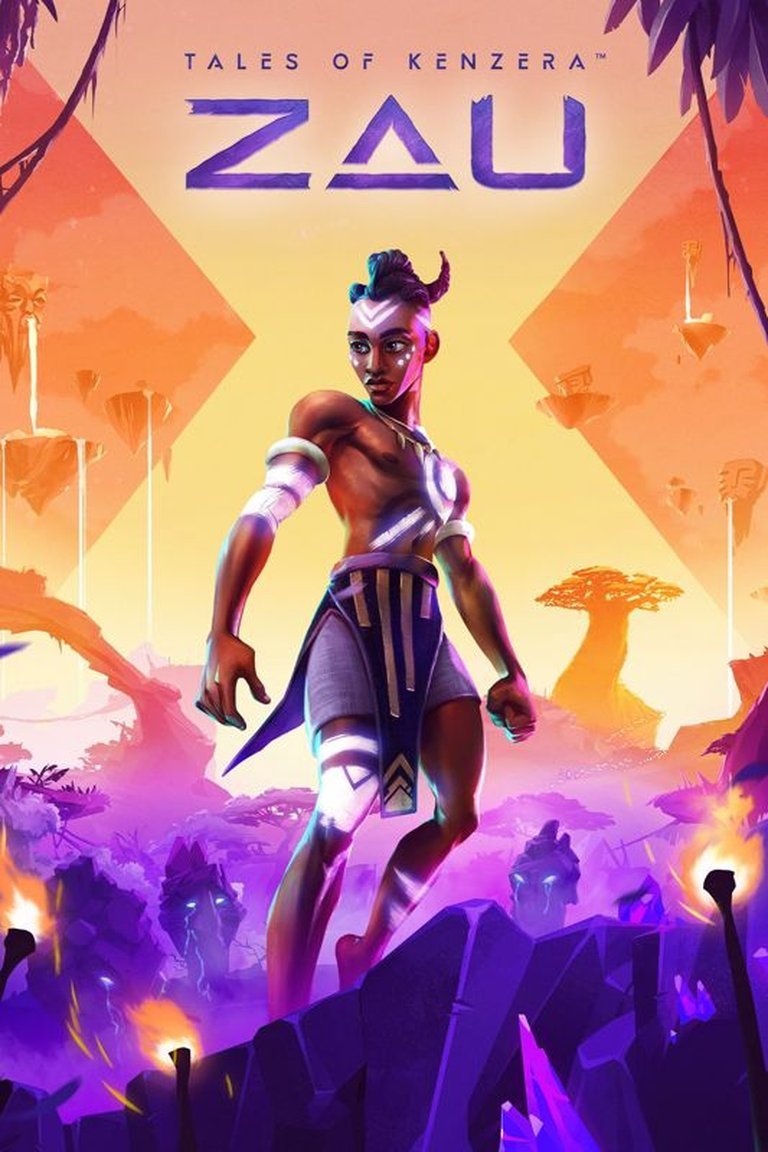
Tales of Kenzera: Zau is a side-view Metroidvania action-platformer set in a fantasy world, where players control Zau, a black protagonist on an emotional journey through grief and overcoming loss, featuring intricate exploration, challenging combat, and fluid movement mechanics across platforms like Windows, PlayStation 5, Xbox Series, and Nintendo Switch.
Gameplay Videos
Where to Buy Tales of Kenzera: Zau
PC
Tales of Kenzera: Zau Free Download
Tales of Kenzera: Zau Cracks & Fixes
Tales of Kenzera: Zau Mods
Tales of Kenzera: Zau Guides & Walkthroughs
Tales of Kenzera: Zau Reviews & Reception
metacritic.com (76/100): Generally Favorable based on 62 Critic Reviews.
ign.com : Decent action elevated by a truly moving story.
thereviewgeek.com : An emotionally challenging and physically demanding game.
gamespot.com : A powerful and moving message within the context of a stellar action-adventure game.
Tales of Kenzera: Zau: Review
Introduction
In a gaming landscape saturated with Metroidvanias that chase mechanical perfection—like the fluid acrobatics of Prince of Persia: The Lost Crown or the atmospheric dread of Hollow Knight—Tales of Kenzera: Zau arrives not as a genre disruptor, but as a deeply personal elegy. Developed by Surgent Studios as its debut title and released on April 23, 2024, across PC, PlayStation 5, Xbox Series X/S, and Nintendo Switch, this 2.5D action-platformer draws from Bantu mythology and creator Abubakar Salim’s real-life grief over his father’s death. What begins as a shaman’s desperate pact with the God of Death evolves into a poignant meditation on loss, resilience, and cultural heritage. Tales of Kenzera: Zau may not redefine the Metroidvania formula, but its emotional authenticity and underrepresented African-inspired world-building carve a vital niche, proving that games can heal as profoundly as they entertain. Thesis: A masterful narrative triumph wrapped in competent but unremarkable gameplay, cementing its place as a beacon for diverse storytelling in an industry overdue for such vulnerability.
Development History & Context
Surgent Studios, founded in 2019 by British actor Abubakar Salim—best known for voicing Bayek in Assassin’s Creed Origins and starring in Raised by Wolves—began as Silver Rain Games, a media outfit focused on transmedia storytelling. In March 2021, it partnered with Electronic Arts under the EA Originals label, which champions indie projects. Zau marked the studio’s pivot to gaming, announced dramatically by Salim at The Game Awards 2023, where his tearful reveal of the game’s grief-inspired origins went viral.
The project’s genesis traces to Salim’s South African filming for Raised by Wolves, where a challenging Ori and the Blind Forest sequence evoked childhood memories of playing Sonic with his late father, Ali Salim, who introduced him to gaming and shared Bantu tales from his Kenyan roots. Salim’s grandfather, an Nganga (spiritual healer), influenced the shamanic lore. Critical Role Productions aided development, infusing tabletop RPG elements into the narrative.
Built on Unreal Engine 4, Zau faced modern indie constraints: a small team of around 50 (with 896 credits listed), a $20 launch price (often discounted to $8), and a 10-hour runtime prioritizing emotional closure over sprawl. Released amid a Metroidvania renaissance (Prince of Persia, Another Crab’s Treasure), it navigated post-pandemic layoffs—Surgent cut over a dozen staff in July 2024 despite positive buzz. Technologically, it targeted current-gen fluidity, though Switch ports drew performance critiques. In 2024’s blockbuster-heavy landscape, Zau embodied EA Originals’ ethos: backing passion projects like It Takes Two, fostering underrepresented voices in a genre dominated by Japanese and Western tropes.
Key Milestones
- 2019: Surgent Studios founded.
- 2021: EA partnership announced.
- Dec 2023: Game Awards reveal trailer.
- April 2024: Multi-platform launch, PS Plus Day 1 inclusion.
- Post-Launch: BAFTA win, nominations at Game Awards, GDC.
This context underscores Zau‘s improbable rise: a first-time studio’s grief-fueled debut amid industry turbulence.
Narrative & Thematic Deep Dive
At its core, Tales of Kenzera: Zau is a frame story: Zuberi, a grieving boy, reads a Bantu-inspired tale penned by his dying father, embodying Zau—a hot-headed young Nganga bargaining with Kalunga, the grandfatherly God of Death (voiced masterfully by Tristan D. Lalla). Zau must capture three Great Spirits—representing denial (Impundulu), anger (Ga-gorib), and fear (Nyamu)—to resurrect his Baba, traversing biomes mirroring grief’s stages.
Plot Breakdown
- Act 1: Sanctuary & Highlands (Denial): Zau, brash and athletic, dons inherited Sun (fire/melee) and Moon (ice/ranged) masks. He explores Ikakaramban ruins, confronting Impundulu amid lush cliffs, learning initial humility.
- Act 2: Woodlands & Deadlands (Anger/Fear): Maze-like forests evoke isolation; volcanic deserts test endurance. Spirits like Liyana (warm survivor) and Sabulana (wise herbalist) humanize loss. Bosses allegorize turmoil—rage manifests as explosive barriers; fear as shadowy pursuits.
- Act 3: Climax & Catharsis: Zau confronts Kalunga’s wisdom, realizing revival denies natural cycles. Zuberi’s parallel arc closes the loop, affirming grief as “celebration of life.”
Salim voices Zau with raw vulnerability, shifting from arrogance to introspection. Dialogue blends Swahili and English, with lore via “Echoes” (audio logs). Themes draw from Bantu ancestor veneration: death as passage, not end. Critics lauded its nuance—GameSpot called it “uncomfortably relatable”; NoobFeed, a “masterpiece in design” for personal closure. Flaws include abrupt framing-device interruptions and underdeveloped side characters (e.g., Bomani’s regret feels expository).
Thematic Depth:
– Grief’s Spectrum: Biomes evoke emotions—Highlands’ desolation (loneliness), Woodlands’ mazes (fear).
– Cultural Resonance: Bantu myths (Nganga healers, Kalunga as boundary-guardian) counter Eurocentric fantasies, akin to Black Panther‘s Afro-futurism.
– Legacy of Loss: Salim’s tribute—vivid, colorful grief vs. media’s moroseness—offers catharsis, as NPR noted: “a tool to combat that dark corner.”
This narrative elevates Zau beyond gameplay, a “breath of fresh air” (GameCritics.com) in misery-obsessed tales.
Gameplay Mechanics & Systems
Zau adheres to Metroidvania tenets: non-linear 2.5D exploration unlocked by 10+ abilities (double-jump, wall-jump, dash, Zawadi grapple, Kabili glide, Bamba freeze). Core loop: traverse hubs (Patakatifu sanctuary), collect Ulogi souls for skill trees (Sun/Moon upgrades), backtrack for secrets. Runtime: 8-12 hours (100% ~15).
Combat: Dance of Sun & Moon
Dual masks define fluid, rhythmic fights:
– Sun Mask: Melee combos, slams, fire waves—juggle foes skyward.
– Moon Mask: Ice projectiles, freezes—ranged crowd control.
Switching yields pirouettes; color-coded health (red/blue) demands adaptation. Spirit blasts (L3+R3) clear rooms. Progression: 20+ upgrades (e.g., charged spears). Bosses shine—Impundulu’s lightning phases reward patterns.
Strengths: Responsive inputs, readable chaos (color cues). Trials (gauntlets) demand mastery.
Flaws: Repetitive enemies (recycled waves), late-game trivialization, finicky camera/controls (Push Square: “spoilt by basic design”). No multiplayer; linear paths limit secrets.
Progression & UI
- Skills: Branching trees (melee vs. utility); trinkets for swaps.
- UI: Clean HUD (health, masks, map); fast travel via hubs. Map lacks detail (Gamereactor critique).
- Difficulty: Slider (Relaxed/Balanced/Intense); spikes via one-hit hazards, chases (no checkpoints frustrate).
| Mechanic | Innovation | Critique |
|---|---|---|
| Masks | Synergistic swaps | Limited variety |
| Exploration | Biome-themed backtrack | Linear “comfort food” (Shacknews) |
| Bosses | Emotional phases | Predictable patterns |
Competent, addictive loops falter against genre giants.
World-Building, Art & Sound
Kenzera’s vibrant realms—Sanctuary’s tranquility, Highlands’ ruins, Woodlands’ mazes, Deadlands’ bones—evoke grief’s palette: lush greens fade to fiery oranges. 2.5D visuals pop with Unreal Engine polish (vibrant particles, dynamic lighting); animations fluid sans human stiffness. Art lead Ackeem Durant’s Bantu influences shine: Himba hairstyles, Ndebele geometries.
Atmosphere: Biomes parallel emotions—volcanoes (rage), swamps (fear)—enhancing immersion. Secrets reward curiosity, though sparsity disappoints.
Nainita Desai’s score—synth-African fusion (Black Panther choir)—escalates bosses into “frenetic dances” (GameSpot). VO (Salim/Lalla) delivers gravitas; Swahili options deepen authenticity. Sound design amplifies: thumping drums for combat, eerie winds for spirits. Switch version dips (Touch Arcade), but core experience “incredible” (Video Chums).
These elements forge a “visual spectacle” (Geek Culture), world-building via myth over map-filling.
Reception & Legacy
Critically, Zau earned “generally favorable” (Metacritic 76/100 all platforms; MobyScore 7.7). Highs: 100% NoobFeed (“closure in loss”), 96% GamesCreed (GOTY contender); lows: 50% Push Square (“falters once playing”). Aggregates praise story/art (80%+), ding linearity/repetition (PC Gamer 73%).
Commercial: Strong indie sales ($20→$8 Steam), PS Plus boost. Players: 4/5 Moby (emotional highs), Steam Very Positive (83%).
Evolution: Initial hype (viral reveal) tempered by “safe” comparisons (Ori, Prince). Post-launch: BAFTA Game Beyond Entertainment win, nominations (Game Awards Impact, GDC Social Impact HM, NYGA Indie/World/Acting). Influenced discourse on grief games, African rep—BBC: “Black Panther of gaming”; RwandaTech: beacon for devs.
Layoffs marred legacy, but Zau pioneers Bantu tales, inspiring transmedia (comics planned). In history: Pivotal for Black-led studios, emotional Metroidvanias.
| Platform | Metacritic | Rank |
|---|---|---|
| PS5 | 76 | #340/789 |
| PC | 76 | #2,221/9k |
| Xbox | 76 | #195/440 |
| Switch | 71 | N/A |
Conclusion
Tales of Kenzera: Zau distills grief into a 10-hour balm: breathtaking art, transcendent music, and bosses blending spectacle with catharsis elevate solid platforming/combat. Salim’s vision—raw, culturally rich—transcends indie debuts, though linearity and spikes hold it from mastery. In video game history, it joins Celeste/What Remains of Edith Finch as therapeutic landmarks, urging industry inclusivity. Verdict: Essential for story-seekers (8.5/10); recommended buy—play for the heart, stay for the dance. A debut etching enduring legacy.