
- Release Year: 2015
- Platforms: Windows
- Publisher: Kingstill International Software Services Ltd.
- Developer: Jerseyware Gaming, LLC
- Genre: Role-playing, RPG
- Perspective: Diagonal-down
- Game Mode: Single-player
- Gameplay: Direct control, Turn-based battles, XP points
- Setting: Fantasy
- Average Score: 61/100
Description
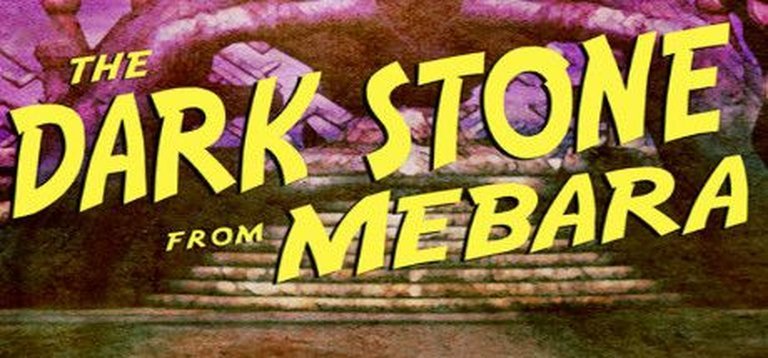
The Dark Stone from Mebara is a 2D turn-based RPG inspired by H.P. Lovecraft’s mythology, set in 1924 Massachusetts. Players control three protagonists—detective Aloysius Monroe, professor Webley, and agency owner Arthur Pendleton—as they investigate the origins of a mysterious dark stone that attracts supernatural creatures and cults. Built in RPG Maker, the game features classic turn-based combat, XP progression, and a narrative blending detective mystery with cosmic horror.
Gameplay Videos
Where to Buy The Dark Stone from Mebara
PC
The Dark Stone from Mebara Guides & Walkthroughs
The Dark Stone from Mebara Reviews & Reception
steambase.io (63/100): Mixed reception with a player score of 63/100.
hookedgamers.com (60/100): Frustrating and technically poor, with horrible combat and broken mechanics.
3rd-strike.com (60/100): Good story and combat but poor performance and crashes.
The Dark Stone from Mebara: A Hauntingly Flawed Descent into Lovecraftian Madness
Introduction
In the shadowy corners of indie gaming, where ambition often outweighs execution, The Dark Stone from Mebara (2015) emerges as a fossilized relic—a Lovecraftian RPG brimming with cosmic dread but shackled by its own mechanical and technical limitations. Developed by Jerseyware Gaming and published by KISS ltd, this 2D RPG Maker title aspires to channel the existential terror of H.P. Lovecraft’s mythos, yet stumbles under the weight of clunky combat, inconsistent design, and a stark divide between narrative ambition and gameplay reality. This review interrogates its legacy as a cautionary tale of untapped potential, a game that dares to gaze into the abyss but falters when the abyss gazes back.
Development History & Context
A Small Studio’s Forbidden Ambition
Jerseyware Gaming, a modest studio with few prior credits, crafted The Dark Stone from Mebara using RPG Maker VX Ace, a tool beloved by indie developers for its accessibility but notorious for its constraints. Released in February 2015, the game arrived during a renaissance of Lovecraftian horror in indie gaming, with titles like Sunless Sea (2015) and Bloodborne (2015) redefining the genre. Yet, unlike these polished contemporaries, The Dark Stone’s reliance on RPG Maker’s limited framework—coupled with its small budget—resulted in a product that felt dated even at launch.
Technological Shackles
The game’s 640×480 resolution and reliance on pre-made assets from ENTERBRAIN’s MYTHOS Horror Resource Pack rendered its visuals jarringly archaic. While some fans of retro aesthetics might appreciate its pixel-art charm, critics widely panned its “smudged mess” of environments and repetitive, low-fi sound design. Technical woes compounded these issues: players reported frequent crashes, framerate dips, and a notorious bug that crashed the game when attempting screenshots—a fitting metaphor for its instability.
Narrative & Thematic Deep Dive
A Lovecraftian Detective Noir
Set in 1924 Massachusetts, the game follows three protagonists: Detective Aloysius Monroe, Professor Webley, and agency owner Arthur Pendleton. After uncovering a mysterious black stone during a murder investigation, the trio is catapulted into a labyrinth of cults, sanity-shattering horrors, and cosmic conspiracy. The narrative ambitiously weaves themes of existential dread, forbidden knowledge, and humanity’s insignificance—a faithful homage to Lovecraft’s “cosmic horror” ethos.
Strengths and Shortcomings
Dialogue and lore drip with period-appropriate verve, evoking the pulpy detective novels of the 1920s. However, the storytelling falters in its pacing and characterization. Key plot twists—such as the stone’s connection to eldritch deities—are underdeveloped, while the protagonists blur into interchangeable archetypes. Unlike Lovecraft’s works, which thrive on psychological tension, The Dark Stone reduces “sanity” to a mere combat stat, stripping the theme of its narrative potency.
Gameplay Mechanics & Systems
A Clash of Genres
The game’s turn-based Active Time Battle (ATB) system—reminiscent of Final Fantasy IV—clashes violently with its atmospheric aspirations. Battles are plagued by:
– Frustrating RNG: Critical hits, misses, and dodges feel arbitrary, often rendering strategy moot.
– Sanity as a Stat: A promising mechanic reduced to a mana pool for spells, with no narrative consequences for dwindling sanity.
– Healing Scarcity: Limited recovery options force repetitive grinding, exacerbating the already-sloggy pacing.
Puzzles and Progression
Outside combat, puzzles offer brief reprieve, requiring players to decipher clues from collected books and items. Yet these moments are overshadowed by cryptic design—such as the infamous “Pump House basement” roadblock, which left players stranded without clear direction. Character progression is equally shallow: level-ups grant minor stat boosts, and spellbooks provide utilitarian abilities, but neither system reinforces the game’s thematic core.
World-Building, Art & Sound
Aesthetic Inconsistencies
The Dark Stone’s 1924 setting is evocatively rendered through locales like Miskatonic University and fog-drenched New England streets. However, RPG Maker’s limitations undermine immersion: environments repeat textures, NPCs lack animation, and the diorama-like towns feel more like cardboard sets than lived-in spaces.
Sound Design: A Missed Opportunity
The soundtrack—a loop of eerie piano melodies and whispered incantations—initially sets a haunting mood. Yet the repetition of 15-second clips, paired with ear-splitting “level-up” bleeps, shatters any semblance of atmosphere. Voice acting is absent, leaving dialogue to drown in text boxes.
Reception & Legacy
Critical Backlash
At launch, the game was lambasted. Hooked Gamers scored it 30%, calling it a “contradictory mix of basic literary conventions and obnoxiously bleeping ‘level-up’ screens.” Steam reviews were mixed (61% positive), with players praising its story but deriding its “unforgivably jarring” combat.
A Niche Cult Following
Despite its flaws, The Dark Stone garnered a small fanbase among Lovecraft devotees and RPG Maker enthusiasts. Its earnest attempt to marry detective noir with cosmic horror—however flawed—hinted at untapped potential. Yet its legacy remains muted, eclipsed by contemporaries like Call of Cthulhu: Dark Corners of the Earth (2005) and The Sinking City (2019).
Conclusion
The Dark Stone from Mebara is a paradox: a game that grasps for cosmic grandeur but is dragged earthward by its own inadequacies. Its narrative ambition and Lovecraftian reverence are commendable, yet its combat, technical instability, and disjointed design render it a frustrating artifact. For historians, it serves as a case study in the perils of overambition within constrained tools; for players, it’s a curiosity best left to the cultists. In the pantheon of Lovecraftian games, this stone remains tragically unpolished.
Final Verdict: A flawed, fascinating relic—a whispered incantation that never quite summons the horrors it promises.