
- Release Year: 2008
- Platforms: Windows
- Publisher: Cyborg Arm Games, Noviy Disk
- Developer: Cyborg Arm Games
- Genre: Action
- Perspective: 1st-person
- Game Mode: Single-player
- Gameplay: Survival horror
- Average Score: 36/100
Description
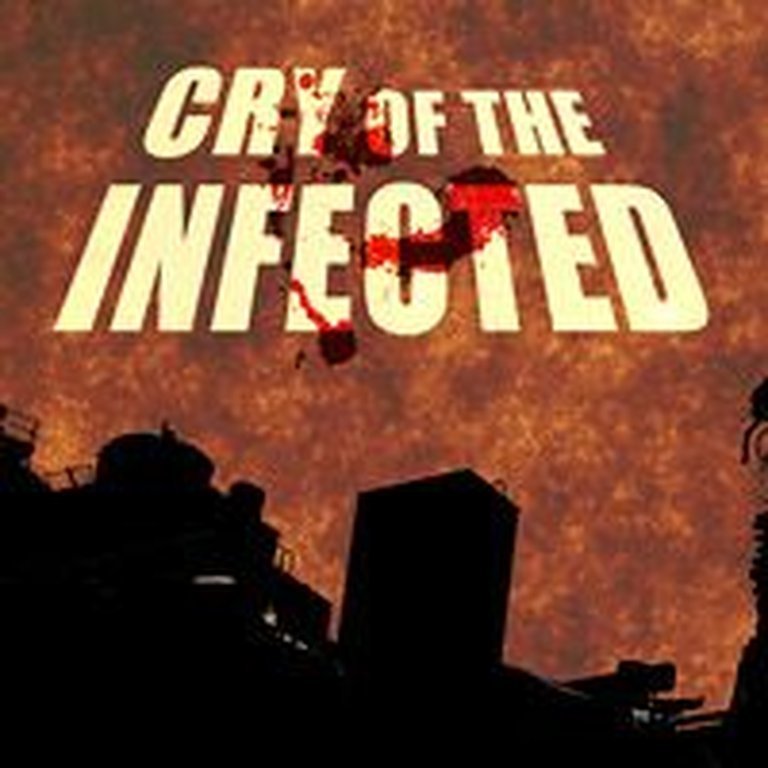
Cry of the Infected is a first-person shooter set in a world overrun by zombies, the result of a failed biological warfare experiment. Players take on the role of Robert, a civilian turned zombie who retains his humanity, as he navigates 13 levels in search of his missing wife. The game offers a short but replayable experience with an alternate ending and an unlockable weapon.
Gameplay Videos
Cry of the Infected Cracks & Fixes
Cry of the Infected Guides & Walkthroughs
Cry of the Infected Reviews & Reception
gamewatcher.com : As cheap as it is, the game is just too unstable to recommend.
mobygames.com (36/100): As cheap as it is, the game is just too unstable to recommend.
Cry of the Infected: A Flawed Experiment in Zombie-Horror Storytelling
Introduction
In the crowded graveyard of zombie-themed shooters, Cry of the Infected (2008) stands as a peculiar tombstone—a game that dared to let players become the monster but stumbled over its own decaying ambitions. Developed by the obscure indie studio Cyborg Arm Games, this first-person survival horror title promised a fresh twist on the genre: a narrative-driven experience where you play as Robert, a zombie grappling with fragmented humanity while searching for his missing wife. Though its premise intrigued critics and players alike, the game’s technical failures, dated design, and amateurish execution doomed it to obscurity. This review dissects Cry of the Infected’s rise and fall, examining how its creative vision was undermined by the limitations of its era and execution.
Development History & Context
The Indie Underdog: Cyborg Arm Games’ Risky Experiment
Cry of the Infected was the second project from Cyborg Arm Games, a fledgling studio operating in the shadow of 2008’s blockbuster-heavy gaming landscape. Released just months before Valve’s Left 4 Dead redefined cooperative zombie survival, the game’s “zombie protagonist” premise was bold but poorly timed. With a shoestring budget and a team of unproven developers, Cyborg Arm aimed to blend psychological horror with FPS mechanics—a vision hampered by the era’s technological constraints.
A Perfect Storm of Limitations
Built on an engine reminiscent of early-2000s modding tools (critics likened it to a “Half-Life mod”), the game struggled with primitive AI, unstable performance, and muddy textures. Despite requiring modest specs for its time, players reported “colossal load times” and frequent crashes even on high-end PCs. The studio’s ambition outstripped its technical prowess, resulting in a product that felt unfinished—a common pitfall for indie developers navigating the pre-Steam Direct marketplace.
Narrative & Thematic Deep Dive
A Zombie’s Lament: Story, Characters, and Themes
The plot follows Robert, a civilian transformed into a zombie during a bioweapon outbreak, who retains enough consciousness to search for his wife, Amy. The narrative hinges on themes of identity and loss, with Robert’s zombification serving as a metaphor for trauma and dissociation. Unfortunately, these ideas are undercut by laughable voice acting—Robert’s repetitive moans of “Aaaaaaamy” became a meme among players—and a script riddled with clichés.
Highs and Lows of the storytelling
The game’s surreal sixth level—a hallucinatory nightmare sequence where Robert is guided by a spectral Amy—stands out as a rare moment of artistic clarity. Here, eerie synths and distorted visuals create genuine unease, suggesting the haunting introspection the rest of the game lacks. However, the payoff fizzles: the much-hyped “alternate ending” (unlocked via replay) feels unearned, with critics like Absolute Games’ Russian reviewers lambasting its “maddeningly cheap” twist.
Gameplay Mechanics & Systems
Claws and Gunplay: A Janky Hybrid
Robert begins with melee attacks—his zombie claws—but quickly scavenges guns like a laser rifle, straining the game’s internal logic (why can a zombie operate advanced weaponry?). Combat is serviceable but plagued by “archaic” mechanics: enemies stand still like target dummies, and weapons lack recoil or weight. The UI is minimalist to a fault, offering little feedback beyond a health bar.
Technical Quicksand
Game-breaking bugs overshadow any innovation. Soldiers fail to pathfind, save files corrupt, and crashes are frequent. The GameWatcher review noted reloading saves became a “core mechanic” due to instability. While the $4 price tag and 1-2 hour runtime implied a “bite-sized” experience, even budget-conscious players felt cheated.
World-Building, Art & Sound
A City Rotting from the Inside
The unnamed urban setting—a mix of warehouses, alleyways, and military checkpoints—feels lifeless, with repetitive textures and sparse detail. Yet the art direction occasionally shines: the nightmare level’s warped geometry and ghostly visuals hint at the surreal horror the developers aspired to.
Sound Design: The Saving Grace
The synth-heavy soundtrack, blending ambient dread and distorted vocal samples, is the game’s unsung hero. It elevates otherwise dull environments, compensating for flat voice acting and generic zombie groans.
Reception & Legacy
Critical Backlash and Player Disappointment
With a dismal 36% average critic score and a 2/5 player rating, Cry of the Infected was dead on arrival. Softonic praised its “simple fun,” but outlets like GameWatcher derided it as “too unstable to recommend.” The Russian site Absolute Games delivered the harshest blow: a 1/100 score, condemning its “cube-shaped” enemies and “deceptive” replay incentives.
A Footnote in Gaming History
The game’s legacy is negligible. While its “zombie protagonist” concept foreshadowed later experiments like Stubbs the Zombie or Dying Light, Cry of the Infected remains a cautionary tale—a reminder that novelty alone can’t salvage flawed execution.
Conclusion
Cry of the Infected is neither a hidden gem nor a so-bad-it’s-good curiosity—it’s a frustrating near-miss. Its premise deserved better technology, a sharper script, and more polish. While the nightmare level and soundtrack hint at unrealized potential, the game is ultimately a relic of indie ambition colliding with harsh reality. For historians, it’s a fascinating case study; for players, it’s best left buried.
Final Verdict: Cry of the Infected is a zombie with no bite—a conceptually intriguing but fatally flawed artifact of 2008’s indie scene.