
- Release Year: 2020
- Platforms: Windows
- Publisher: Beer Night Studio
- Developer: Beer Night Studio
- Genre: Adventure
- Perspective: Side view
- Game Mode: Single-player
- Gameplay: Survival horror
- Setting: Asia Contemporary
- Average Score: 69/100
Description
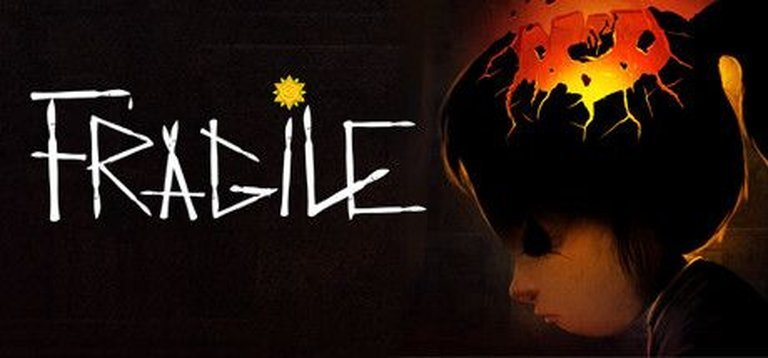
Fragile (2020) is a survival horror adventure set in the grim underground depths of Ulaanbaatar, Mongolia, where players control a young girl kidnapped by a human trafficking ring. Trapped in a nightmarish cell, she must escape through dark, claustrophobic environments filled with grotesque abominations—hallucinations of her tormentors—and navigate brutal obstacles while uncovering unsettling truths about the atrocities committed around her. Blending psychological tension with body horror, the game challenges players to survive chase sequences, evade monstrous foes, and confront the lingering trauma of the protagonist’s harrowing ordeal.
Gameplay Videos
Where to Buy Fragile
Fragile Free Download
Fragile Cracks & Fixes
Fragile Guides & Walkthroughs
Fragile Reviews & Reception
dreadcentral.com (75/100): Fragile is at pains to stress the nastiness inherent in its premise.
steambase.io (64/100): Fragile has earned a Player Score of 64 / 100.
Fragile: Review
Fragile, developed and published by Beer Night Studio, is a harrowing journey into the dark underbelly of human trafficking and child exploitation. Released in November 2020, this survival horror game plunges players into the nightmarish reality of an abducted girl navigating through the treacherous depths of Ulaanbaatar, Mongolia. The game’s unflinching portrayal of real-world horrors sets it apart in the genre, making it a unique and unsettling experience. However, its ambitious narrative is often overshadowed by flawed gameplay mechanics and technical issues, leading to a mixed reception.
Development History & Context
Beer Night Studio, based in Mongolia, made its debut with Fragile, a game that aims to raise awareness about the delicate and fragile nature of children’s minds. The studio’s vision was to create an immersive and horrifying experience that would leave a lasting impact on players. The game was developed using Unreal Engine 4, which provided the necessary tools to bring the grim and atmospheric world of Fragile to life.
The gaming landscape in 2020 was dominated by high-budget AAA titles and indie darlings that pushed the boundaries of storytelling and gameplay. Fragile, however, chose a different path by focusing on a taboo subject matter that few games dared to explore. The studio’s decision to tackle human trafficking and child abuse head-on was bold and controversial, setting the stage for a game that would spark debate and discussion.
Narrative & Thematic Deep Dive
Plot
Fragile’s narrative is a grim and unrelenting exploration of the horrors faced by an abducted girl in Ulaanbaatar. The story begins on a rainy day when the protagonist, a young girl, is kidnapped on her way home from school. She wakes up in a dark cell, surrounded by the scribbles of other children who have suffered similar fates. As she escapes from her cell, she uncovers the sinister operations of a human trafficking ring that deals in organ harvesting and child exploitation.
The game’s plot is divided into several chapters, each representing a different stage of the girl’s escape. From the claustrophobic confines of her cell to the labyrinthine tunnels and mines, the girl must navigate through a series of challenges and obstacles, all while being pursued by monstrous figures that represent her captors.
Characters
The protagonist, an unnamed girl, is the heart of Fragile’s narrative. Her journey is one of survival and escape, as she battles against the horrors inflicted upon her. The game’s antagonists are a mix of human traffickers, organ harvesters, and other nefarious individuals who prey on innocent children. The girl’s only ally is a disfigured boy, affectionately referred to as the “Gollum-boy,” who aids her in her escape but ultimately meets a tragic end.
Dialogue
Fragile is notable for its lack of dialogue, relying instead on environmental storytelling and visual cues to convey the narrative. The game’s silence is broken only in the final moments, where the girl’s actions determine the outcome of the story. This minimalist approach to dialogue adds to the game’s eerie atmosphere, emphasizing the girl’s isolation and helplessness.
Themes
Fragile explores several themes, including the fragility of childhood innocence, the horrors of human trafficking, and the psychological impact of trauma. The game’s unflinching portrayal of real-world issues serves as a stark reminder of the darkness that exists in society. Through its narrative and gameplay, Fragile invites players to confront these themes and consider the consequences of such atrocities.
Gameplay Mechanics & Systems
Core Gameplay Loops
Fragile’s gameplay is a mix of stealth, puzzle-solving, and quick-time events (QTEs). Players control the girl as she navigates through various environments, avoiding detection by her captors and solving puzzles to progress. The game’s stealth mechanics require precise timing and movement, as the girl must hide from her pursuers and avoid being caught.
Combat
Combat in Fragile is minimal, with the girl unable to fight back against her captors. Instead, players must rely on stealth and evasion to avoid confrontation. The game’s combat system is designed to emphasize the girl’s vulnerability and helplessness, adding to the overall sense of dread and tension.
Character Progression
There is no traditional character progression in Fragile. The game focuses on the girl’s journey of escape, with no skills or abilities to upgrade. Instead, players must adapt to the challenges presented by the game’s environments and enemies.
UI
The user interface in Fragile is minimalistic, with no heads-up display (HUD) elements to distract from the gameplay. The game’s UI consists of simple icons and prompts, providing players with the necessary information without breaking immersion.
Innovative or Flawed Systems
Fragile’s innovative use of environmental storytelling and visual cues is one of its strengths. However, the game’s reliance on QTEs and stealth mechanics can be frustrating, leading to repetitive and tedious gameplay. The game’s technical issues, such as long loading times and occasional glitches, further detract from the overall experience.
World-Building, Art & Sound
Setting
The setting of Fragile is the grimy and polluted underbelly of Ulaanbaatar, Mongolia. The game’s environments range from dark and claustrophobic cells to sprawling mines and tunnels. Each location is meticulously designed to convey a sense of dread and foreboding, immersing players in the girl’s nightmarish reality.
Atmosphere
Fragile’s atmosphere is one of its strongest assets. The game’s hand-drawn aesthetic, combined with its eerie sound design, creates a haunting and immersive experience. The game’s use of silence and minimalistic sound effects adds to the overall sense of isolation and helplessness.
Visual Direction
The visual direction of Fragile is striking, with its hand-drawn art style evoking a sense of childlike innocence juxtaposed against the game’s dark and horrifying themes. The game’s use of color and lighting is particularly effective, with dark and muted tones dominating the majority of the game’s environments.
Sound Design
The sound design in Fragile is minimalistic but effective. The game’s use of silence and ambient sounds creates a sense of tension and unease, while the occasional jarring noise serves as a reminder of the horrors that lurk in the shadows. The game’s soundtrack is sparse but impactful, with haunting melodies that complement the game’s atmospheric visuals.
Reception & Legacy
Critical and Commercial Reception
Fragile received a mixed reception upon its release. Critics praised the game’s bold subject matter and atmospheric visuals but criticized its flawed gameplay mechanics and technical issues. The game’s unflinching portrayal of real-world horrors sparked debate and discussion, with some praising its taboo-breaking approach and others questioning its ethical implications.
Commercially, Fragile struggled to find an audience. The game’s niche subject matter and controversial themes may have deterred potential players, leading to modest sales and a limited impact on the gaming landscape.
Influence on Subsequent Games and the Industry
Despite its mixed reception, Fragile has left a lasting impact on the horror genre. The game’s unflinching portrayal of real-world issues has inspired other developers to tackle similar themes, pushing the boundaries of what is considered acceptable in video games. Fragile’s legacy lies in its willingness to confront taboo subjects and challenge players to consider the consequences of such atrocities.
Conclusion
Fragile is a bold and controversial game that tackles the sensitive subject of human trafficking and child exploitation. Its unflinching portrayal of real-world horrors sets it apart in the genre, making it a unique and unsettling experience. However, the game’s flawed gameplay mechanics and technical issues detract from its overall impact, leading to a mixed reception. Despite its shortcomings, Fragile’s legacy lies in its willingness to confront taboo subjects and challenge players to consider the consequences of such atrocities. In the annals of video game history, Fragile will be remembered as a game that dared to explore the darkest corners of the human experience, leaving a lasting impact on the genre and the industry as a whole.