
- Release Year: 2000
- Platforms: DOS, GP2X, Linux, Macintosh, Windows
- Publisher: Armageddon Games
- Developer: Armageddon Games
- Genre: Action
- Perspective: Top-down
- Game Mode: Single-player
- Gameplay: Puzzle elements
- Setting: Fantasy
- Average Score: 81/100
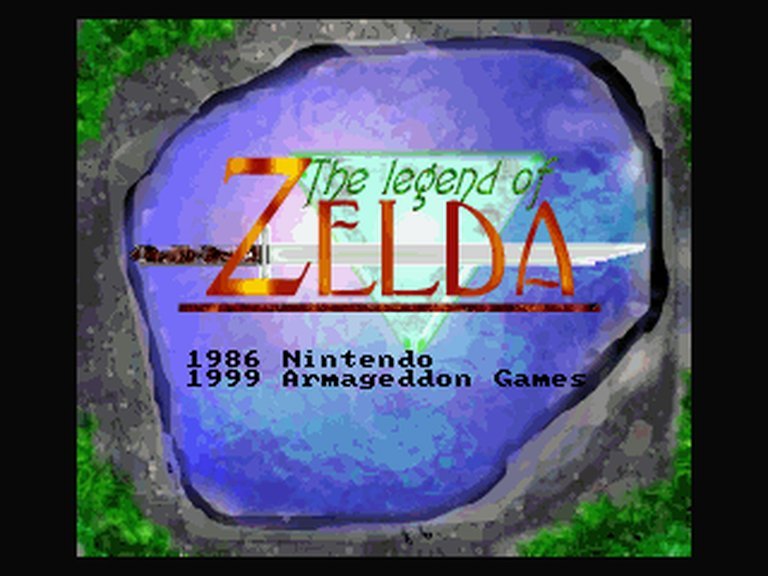
Description
Zelda Classic is a fan-made recreation and enhancement of the 1986 NES classic The Legend of Zelda, faithfully recreating the original adventure where young hero Link explores the fantasy realm of Hyrule to recover pieces of the Triforce of Wisdom and rescue Princess Zelda. This freeware version includes both the original 8-bit graphics and updated visuals, alongside ZQuest—a powerful level editor enabling players to design custom quests, modify gameplay, and import personalized graphics to craft unique Zelda-inspired experiences.
Zelda Classic Free Download
Zelda Classic Cracks & Fixes
Zelda Classic Patches & Updates
Zelda Classic Mods
Zelda Classic Reviews & Reception
metacritic.com (73/100): critics praised this handheld multiplayer game’s fun boss fights, especially when playing with friends.
gamerant.com : I love The Phantom Hourglass, and it is my favorite Zelda game.
cbr.com (90/100): Phantom Hourglass remains a classic.
Zelda Classic Cheats & Codes
PC
First click the second data then left click it then go to cheats
| Code | Effect |
|---|---|
| zelda | you will have everything |
Zelda Classic: Review
Introduction
In the pantheon of video game remakes and fan tributes, Zelda Classic stands as a remarkable labor of love. Released in 2000 by Armageddon Games, this freeware reimagining of Nintendo’s 1986 masterpiece The Legend of Zelda is both a faithful homage and a creative toolkit. By preserving the spirit of the original while empowering players to craft their own adventures, Zelda Classic bridges nostalgia and innovation. This review argues that Zelda Classic is not merely a relic of fandom but a vital artifact in gaming history—one that underscores the enduring appeal of Hyrule’s earliest incarnation and the ingenuity of fan-driven development.
Development History & Context
Studio and Vision
Developed by Armageddon Games, a small team of enthusiasts, Zelda Classic emerged during the late 1990s—a golden age for PC modding and fan projects. The creators sought to recreate The Legend of Zelda for DOS and later Windows, driven by reverence for Nintendo’s pioneering action-adventure formula. Their vision extended beyond replication: bundled with ZQuest, a robust level editor, the game invited players to design custom quests, reimagining Hyrule through their own creative lenses.
Technological Constraints
The 2000s posed unique challenges. Without official Nintendo backing, the team relied on the Allegro library to emulate the NES’s top-down mechanics and chiptune soundtrack. The result was a product that mirrored the original’s 8-bit aesthetic while offering optional graphical upgrades. Despite limitations, the developers prioritized accessibility, ensuring compatibility with DOS-era hardware and later systems like Linux and GP2X.
Gaming Landscape
At its release, Zelda Classic entered a market transitioning to 3D blockbusters like Ocarina of Time. Yet, its retro appeal resonated with players nostalgic for the NES era and indie developers eager to experiment. It arrived alongside a wave of fan projects testing copyright boundaries, positioning itself as both a preservation effort and a subversive celebration of gaming’s roots.
Narrative & Thematic Deep Dive
Faithful Retelling
Zelda Classic meticulously replicates the original’s archetypal narrative: Link’s quest to rescue Princess Zelda and assemble the Triforce of Wisdom from Ganon’s clutches. The minimalist storytelling—reliant on environmental cues and cryptic NPC dialogues—remains intact, preserving the sense of mystery that defined early Zelda titles.
Themes of Exploration and Mastery
The game’s nonlinear design emphasizes discovery and perseverance, core tenets of Miyamoto’s original vision. Players chart their own path through Hyrule’s labyrinthine overworld and dungeons, echoing the themes of self-reliance and curiosity that underpinned the 1986 classic. The inclusion of a “Second Quest” (a remixed, harder version of the game) further reinforces the series’ commitment to rewarding mastery.
Gameplay Mechanics & Systems
Core Loop
Zelda Classic mirrors the original’s gameplay loop: explore overworld screens, uncover secrets, conquer dungeons, and gather items like the Boomerang and Bow. Combat retains its simple yet strategic depth—dodging enemies while managing limited inventory space. The UI is streamlined, though keyboard controls (a departure from the NES controller) may initially frustrate purists.
ZQuest: Innovation Through Creation
The standout feature is ZQuest, a level editor enabling players to design custom dungeons, overworlds, and even entirely new narratives. This tool democratized game design long before modern engines like Unity, fostering a community of creators who shared quests ranging from nostalgic tributes to bold reimaginings. While rudimentary by today’s standards, ZQuest was revolutionary for its time, foreshadowing the modding culture that now defines PC gaming.
World-Building, Art & Sound
Visual Direction
Players can toggle between original NES-style graphics and updated 16-bit-inspired sprites. The former offers pixel-perfect nostalgia, while the latter adds sharper details and color depth, though some purists argue it dilutes the original’s gritty charm.
Atmosphere and Sound
Koji Kondo’s iconic soundtrack is faithfully reproduced, from the overworld theme’s triumphant melody to the dungeon’s ominous drones. The sound effects—Link’s sword slashes, enemy growls—are similarly authentic, though the DOS hardware occasionally introduces minor audio quirks.
Reception & Legacy
Critical and Player Reception
Critics praised Zelda Classic for its fidelity and creativity, earning an 85% average on MobyGames. Reviewers like Abandonia Reloaded lauded it as “the ultimate trip down memory lane,” while VictoryGames.pl highlighted its value for Nintendo fans deprived of official PC releases. Player reactions were more mixed (3.0/5), with some criticizing its lack of innovation beyond being a carbon copy.
Influence on the Industry
Zelda Classic’s legacy lies in its grassroots impact. It inspired countless fangames (AM2R, The Missing Link) and demonstrated the potential of player-driven content. Its open-source ethos presaged platforms like Super Mario Maker, proving that community creativity could sustain classic franchises. While Nintendo has historically guarded its IP, Zelda Classic’s enduring popularity underscores the demand for official emulation tools—a demand partially met by later Virtual Console releases.
Conclusion
Zelda Classic is more than a nostalgic curio; it is a testament to the symbiotic relationship between developers and fans. By preserving the original Zelda’s magic while empowering players to reinvent it, Armageddon Games crafted a bridge between gaming’s past and future. Its flaws—dated controls, restrained innovation—are eclipsed by its cultural significance. For historians, it exemplifies the DIY spirit of early modding communities; for players, it remains a timeless portal to Hyrule’s dawn. In the annals of video game history, Zelda Classic earns its place as both a tribute and a trailblazer.
Final Verdict
A landmark fan project that honors Nintendo’s legacy while paving the way for user-generated content. Essential for retro enthusiasts and aspiring designers alike.
★ ★ ★ ★ ☆ (4/5)