
- Release Year: 2016
- Platforms: Linux, Macintosh, PlayStation 4, Windows
- Publisher: Happion Laboratories, LLC, MP Digital, LLC
- Developer: Happion Laboratories, LLC
- Genre: Action
- Perspective: Behind view
- Game Mode: Single-player
- Gameplay: Flight, Stunt-based
- Average Score: 22/100
Description
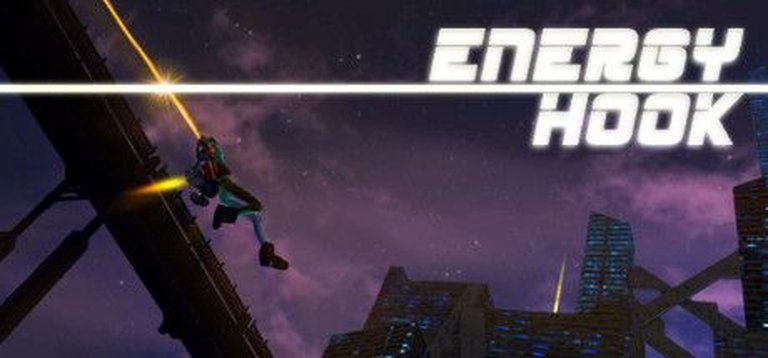
Energy Hook is an action-packed game that combines elements of flight and vehicular control, allowing players to experience hectic stunt-based gameplay. Set in a dynamic world, players can navigate through various environments using a unique energy hook mechanism, reminiscent of Spider-Man’s web-slinging or the parkour-style movement from Mirror’s Edge. Despite its innovative concept, the game has been criticized for feeling incomplete and glitchy, which can detract from the overall experience.
Where to Buy Energy Hook
PC
Energy Hook Patches & Updates
Energy Hook Guides & Walkthroughs
Energy Hook Reviews & Reception
metacritic.com (22/100): It lacks staying power.
Energy Hook: A Deep Dive into a Flawed Swing at Innovation
Introduction
In the pantheon of video game mechanics, few are as iconic as Spider-Man 2’s web-slinging—a system that made players feel like the titular hero. Energy Hook (2016), developed by Happion Laboratories and helmed by Spider-Man 2 co-creator Jamie Fristrom, sought to resurrect that magic in a futuristic extreme sports package. Yet, despite its ambitious premise and pedigree, the game stumbled into obscurity, earning a reputation as a cautionary tale of unrealized potential. This review examines how Energy Hook’s lofty aspirations were derailed by technical limitations, clunky design, and a lack of polish, cementing its place as a fascinating but flawed footnote in gaming history.
Development History & Context
The Spider-Man Connection
Jamie Fristrom’s involvement promised greatness. As the engineer behind Spider-Man 2’s beloved swinging physics, his new studio, Happion Laboratories, aimed to evolve that mechanic into a standalone experience. Crowdfunded via Kickstarter and developed in Unity, Energy Hook was positioned as a love letter to movement-driven gameplay, blending Tony Hawk-style trick systems with gravity-defying traversal.
A Crowded Indie Landscape
Released in 2016, the game entered a market saturated with indie darlings like Rocket League and Hyper Light Drifter. While its core concept was novel, Energy Hook lacked the budget and polish to compete. Early Access woes exacerbated issues; critics noted its “unfinished” state at launch, with promised features like VR support feeling underbaked.
Narrative & Thematic Deep Dive
A Thin Futuristic Backdrop
Players assume the role of Delilah, a retired Energy Hook athlete forced back into competition to fund her daughter’s medical treatment. The dystopian setting—a world grappling with climate collapse and rogue gravity tech—is ripe for exploration but never fleshed out. Dialogue is minimal, and narrative stakes feel perfunctory, serving only to justify the arcade-style challenges.
Missed Thematic Opportunities
The game hints at themes of rebellion (an underground sports scene) and environmental collapse, but these ideas are sidelined in favor of repetitive objectives. Delilah’s personal journey is equally underdeveloped, reducing her to a cipher for high-score chasing.
Gameplay Mechanics & Systems
The Core Loop: Swinging, Tricks, and Frustration
At its best, Energy Hook channels the euphoria of momentum-based movement. The titular energy beam allows for Spider-Man-esque swings, wall runs, and mid-air tricks reminiscent of SSX. Chaining combos to build speed or execute flips feels thrilling—when it works.
A House of Cards
The mechanics collapse under scrutiny:
– Unreliable Physics: The hook often fails to latch onto ledges, leading to unfair falls.
– Janky Controls: Landing, wall-running, and steering mid-swing are imprecise, exacerbated by a chaotic camera.
– Barebones Progression: “Street cred” unlocks new gear, but upgrades feel negligible.
– Repetitive Challenges: Time trials and score attacks lack variety, with levels recycled ad nauseam.
Critics like Defunct Games’ Cyril Lachel lambasted the “unplayable” controls, while Push Square compared it to “experimental technology straight into the ground.”
World-Building, Art & Sound
Aesthetic Whiplash
Energy Hook’s six sandbox levels showcase starkly different art styles, from Killst4r’s cyberpunk sprawl to Keegan O’Rourke’s floating islands. While individually striking, the disjointed visuals undermine cohesion, making the game feel like an anthology of half-finished ideas.
Sound Design: Functional at Best
The soundtrack and effects are forgettable. Jetpack bursts and trick sounds lack punch, and the absence of dynamic music during combos dulls the excitement.
Reception & Legacy
Critical Panning
The game holds a dismal 22 Metascore and 32% average critic rating. Gaming Age declared it a “strong contender for the title of worst game ever made,” while Destructoid lamented its “lack of staying power.” Player reviews were kinder (65% positive on Steam), with fans praising its novelty despite flaws.
A Faint Ripple in the Industry
Energy Hook’s legacy lies in its ambition. Its swing mechanics inspired indie experiments like Cyber Hook (2020), but its failures underscored the importance of polish in movement-focused games.
Conclusion
Energy Hook is a tragic case of “what could have been.” Its core idea—merging Spider-Man’s fluidity with extreme sports—is brilliant, but shoddy execution, technical hiccups, and a lack of narrative depth doom it to mediocrity. For historians, it serves as a lesson in balancing innovation with usability; for players, it’s a curiosity best left to speedrun enthusiasts or masochists. While not the “worst game ever made,” it’s certainly one of the most disappointing—a swing and a miss from a designer who once soared.
Final Verdict: Energy Hook is a fascinating misfire, worth studying but not playing. Its place in history is as a cautionary tale, not a classic.
★☆☆☆☆ (1/5)