
- Release Year: 2004
- Platforms: Windows
- Publisher: Discus Games, First Games Interactive, Immanitas Entertainment GmbH, ZUXXEZ Entertainment AG
- Developer: Geleos Media
- Genre: Driving, Racing
- Perspective: Behind view
- Gameplay: Collecting
- Setting: Fantasy
- Average Score: 85/100
Description
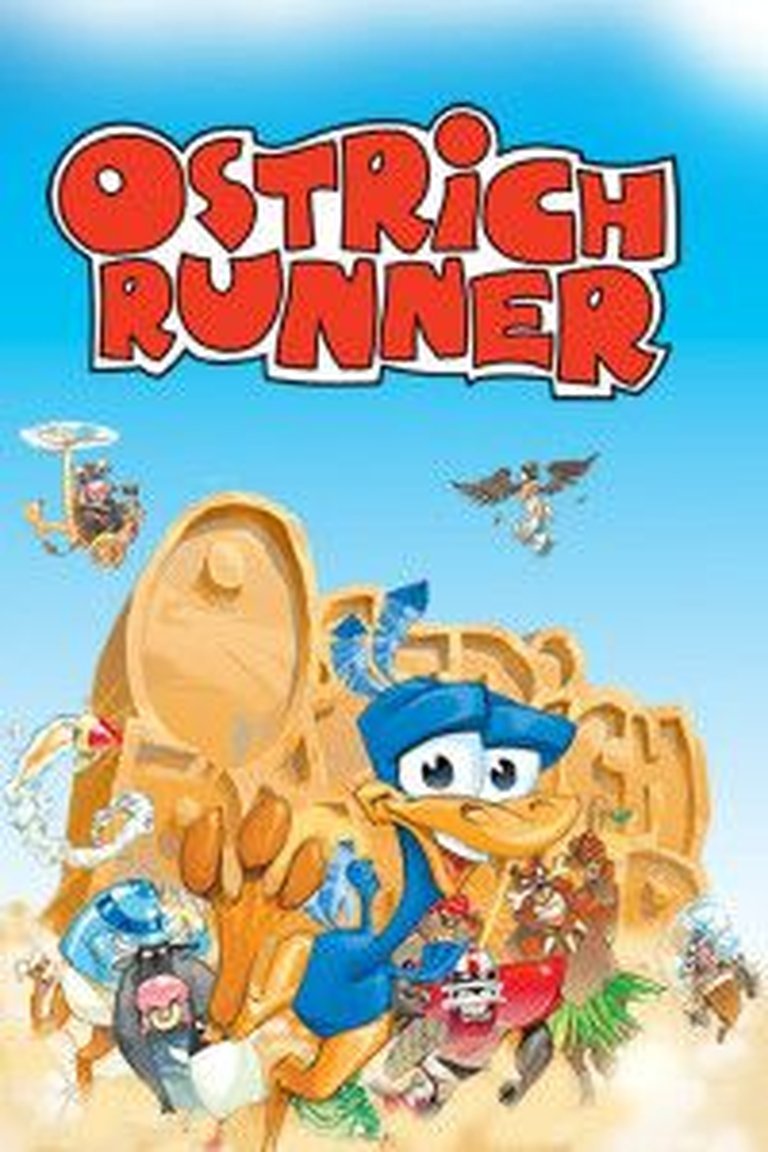
Ostrich Runner is a whimsical racing game where players control a quirky ostrich on a mission to save its species from extinction. After a mad professor scatters their eggs across eight fantastical worlds, players race against rival ostriches, collecting eggs while navigating vibrant, obstacle-filled tracks. Each ostrich boasts a unique theme—like military or cowboy—adding charm to the fast-paced, family-friendly competition set in a colorful, cel-shaded universe.
Gameplay Videos
Where to Buy Ostrich Runner
Ostrich Runner Free Download
Ostrich Runner Cracks & Fixes
Ostrich Runner Reviews & Reception
gamepressure.com (82/100): Outstanding arcade production of the Russian Geleos team dedicated especially to young players.
store.steampowered.com (90/100): In this game you can play at any age!
Ostrich Runner Cheats & Codes
Ostrich Runner (PC)
Run the trainer before launching the game. In-game, press the following keys for effects:
| Code | Effect |
|---|---|
| F2 | Infinite Health / Lifes |
| F3 | Full 999 Eggs |
| F4 | Back to Normal |
| End | Quit the trainer |
Ostrich Runner: Review
Introduction
In the annals of absurdist arcade racing games, Ostrich Runner (2004) stands as a feather-ruffling oddity—a game where players don’t control sleek sports cars or futuristic hoverbikes, but ostriches sprinting to save their species from extinction. Developed by Geleos Media and published by a consortium of studios including Discus Games and ZUXXEZ Entertainment, this cel-shaded curiosity polarized critics upon release but garnered a cult following for its irreverent charm. While its gameplay loops and technical execution show the seams of early 2000s budget development, Ostrich Runner remains a fascinating artifact of a time when indie experimentation clashed with commercial ambitions. This review argues that the game’s enduring appeal lies not in polish, but in its unapologetic commitment to whimsy, offering a playful (if imperfect) escape from gaming’s often self-serious norms.
Development History & Context
Ostrich Runner emerged from Geleos Media, a Russian studio better known for utilitarian racing titles like Lada Racing Club. Led by project head Grigoriy Grigoryan, the team pivoted from realistic driving simulators to a cartoonish vision of avian speedsters, leveraging the era’s burgeoning cel-shading technology to create a Jen počkej zajíci-inspired aesthetic (as noted by Czech critics). Released in April 2004, the game entered a market saturated with gritty AAA titles like Half-Life 2 and Far Cry, making its absurd premise a bold outlier.
Technologically, Ostrich Runner was constrained by its budget. Built for DirectX 9.0 and modest PC specs, its design prioritized accessibility over complexity. The team’s inexperience with arcade-style gameplay occasionally shows—collision detection and physics drew ire from German critics—but their experimentation with split-screen and LAN multiplayer hinted at ambitions beyond typical low-budget fare.
Narrative & Thematic Deep Dive
The game’s story is a goofy sci-fi fable: On a distant planet, ostriches live peacefully until the “mad and evil” Professor Kosmoglux steals their eggs to build an army. Players take on the role of heroic ostriches racing to reclaim the eggs across eight worlds, each brimming with obstacles like rogue rakes and falling trees.
While the narrative is minimal, it’s elevated by its cast. Each ostrich—whether dressed as a cowboy, soldier, or safari guide—exudes personality through exaggerated animations, leaning into the game’s Saturday-morning-cartoon tone. Themes of community and resistance underpin the chaos, with the ostriches’ cooperation against a tyrannical force serving as a lighthearted allegory for collective action. Dialogue is sparse but punctuated by slapstick sound effects, reinforcing the game’s commitment to physical comedy.
Gameplay Mechanics & Systems
At its core, Ostrich Runner is a hybrid of racing and collection mechanics. Players compete against AI-controlled birds in time trials, balancing speed with egg-gathering to unlock subsequent levels. Power-ups like speed boosts and temporary invincibility add tactical variety, though critics like PC Action Germany lambasted their “predictable placement” and repetitive use.
The controls are simple—five-button inputs govern movement and jumps—but imprecise collision detection often undermines the experience. For example, GameStar Germany noted that “questionable hitboxes” turned minor missteps into frustrating setbacks. Yet the game’s local split-screen and LAN multiplayer modes were ahead of their time, offering chaotic fun for up to six players.
Progression is forgiving, with unlimited retries and automatic saves, making it accessible for younger audiences. However, the lack of difficulty scaling and “rote level design” (7Wolf Magazine) limits long-term appeal.
World-Building, Art & Sound
Ostrich Runner’s visual identity is its crowning achievement. The cel-shaded art style, reminiscent of Jet Set Radio, gives the ostriches and environments a vibrant, hand-drawn quality. Levels range from tropical islands to snowy tundras, each adorned with playful details like bouncing cacti and comically oversized machinery.
Sound design is more divisive. While the jaunty, looped soundtrack suits the game’s tone, critics like PC Games Germany found it “repetitive,” and the slapstick sound effects—think Benny Hill-esque boings and squeaks—wear thin over time. Still, the aesthetic coherence creates a cohesive, if silly, atmosphere that lingers in the memory.
Reception & Legacy
Critics greeted Ostrich Runner with muted praise. It holds a 62% average on MobyGames, with outlets like PlnéHry.cz celebrating its “svérázná” (quirky) charm, while PC Action Germany scorched it as “Dünnpfiff” (diarrhea). Player reception was warmer: Steam users rate it 90% positive, praising its irreverent fun.
The game’s legacy is one of nostalgic affection rather than industry influence. Its split-screen mode and offbeat humor foreshadowed later indie darlings like Untitled Goose Game, but its technical flaws prevented broader impact. Today, it’s remembered as a time capsule of early 2000s experimental design—a proof-of-concept for balancing absurdity with gameplay.
Conclusion
Ostrich Runner is not a great game, but it is a deeply memorable one. Its jagged edges—clunky controls, repetitive loops—are smoothed by sheer audacity, offering a rare experience where racing as a military-themed ostrich feels both ridiculous and joyous. While it never escaped its niche, the game’s cult status speaks to the power of unbridled creativity, even within budgetary constraints. For players seeking a humorous palate cleanser or a relic of gaming’s stranger days, Ostrich Runner remains a sprint worth taking.
Final Verdict: A flawed but endearing curio, best enjoyed with friends and a healthy suspension of disbelief.