
- Release Year: 2016
- Platforms: Windows
- Publisher: etherane
- Developer: etherane
- Genre: Action
- Perspective: Diagonal-down
- Game Mode: Single-player
- Gameplay: Puzzle, RPG, Visual novel
- Average Score: 100/100
Description
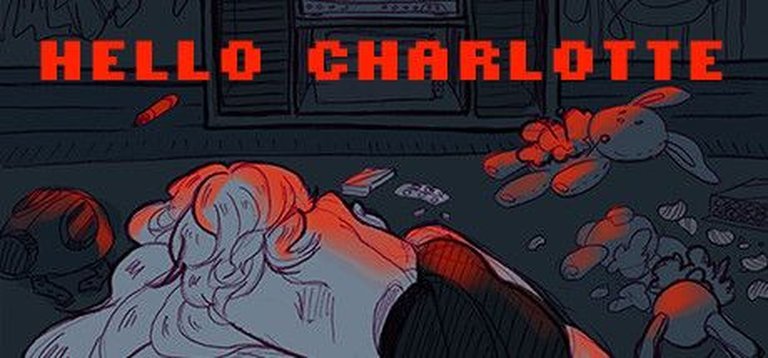
Hello Charlotte EP2: Requiem Aeternam Deo is a psychological horror game that blends elements of RPG, visual novel, and puzzle-solving. Players take control of Charlotte, a puppet, navigating through a surreal world filled with alien friends and dark humor. The game explores themes of happiness, connection, and the horrors of everyday life, offering a rich narrative and multiple endings. Set in a world that merges junk food, TV culture, religion, and romance novels, players must keep Charlotte safe while unraveling the game’s mysteries.
Gameplay Videos
Where to Buy Hello Charlotte EP2: Requiem Aeternam Deo
PC
Hello Charlotte EP2: Requiem Aeternam Deo Patches & Updates
Hello Charlotte EP2: Requiem Aeternam Deo Guides & Walkthroughs
Hello Charlotte EP2: Requiem Aeternam Deo Reviews & Reception
metacritic.com (100/100): The story of this game is quite possibly the best out of any I’ve ever played (with the exception of Japanese visual novels.)
Hello Charlotte EP2: Requiem Aeternam Deo: A Fragmented Elegy of Trauma and Transcendence
Introduction
Hello Charlotte EP2: Requiem Aeternam Deo is not merely a game—it is a psychological excavation. Developed by etherane in 2016, this second installment of the cult indie series Hello Charlotte burrows into themes of existential despair, fractured identity, and the futility of universal happiness with a rawness that lingers like an open wound. Combining RPG Maker’s rudimentary toolkit with avant-garde storytelling, Requiem Aeternam Deo stands as a testament to how technical constraints can catalyze artistic innovation. This review argues that the game’s harrowing narrative, surreal aesthetics, and experimental mechanics solidify its place as a cornerstone of indie psychological horror.
Development History & Context
A Solo Vision in a Crowded Landscape
Created by Russian developer etherane as a solo project, Hello Charlotte EP2 emerged during an indie RPG Maker renaissance. While titles like Ib and Mad Father dominated the horror niche, etherane’s work distinguished itself through its rejection of traditional genre conventions. Built on RPG Maker VX Ace, the game’s lo-fi presentation belies its ambition, leveraging the engine’s limitations to amplify its disorienting atmosphere.
Released in October 2016, the game followed Hello Charlotte EP1 (2015), a freeware precursor that established the series’ fragmented storytelling. EP2 expanded the scope, integrating visual novel elements and metatextual commentary. Its title, translating to “Eternal Rest Grant Unto God,” foreshadows its preoccupation with existential and theological decay.
Narrative & Thematic Deep Dive
A Puppet’s Lament
Players control Charlotte, a “puppet” navigating a labyrinthine school and home suffused with cosmic dread. The plot orbits her entanglement with Observer C, a self-proclaimed god, and the looming “Trial”—a brutal social ritual where students vote to ostracize a peer. Etherane weaves a narrative tapestry of despair, probing:
– Idolization and Abandonment: Charlotte’s obsession with C mirrors the human tendency to deify unattainable ideals, only to face disillusionment.
– Self-Harm as Metaphor: Mechanically and narratively, the game equates damage with agency, as Charlotte’s physical and mental unraveling becomes a perverse form of empowerment.
– Meta-Textual Suffering: The “Puppeteer” (the player) is complicit in Charlotte’s trauma, blurring the line between controller and controlled.
Endings as Epitaphs
Three primary endings—Submission, Rebellion, and Transcendence—reflect Nietzschean philosophies of nihilism and overcoming. The “bad” ending, Submission, sees Charlotte surrendering to societal annihilation, while Transcendence offers a fractured hope, albeit one drenched in ambiguity.
Gameplay Mechanics & Systems
Survival as Social Anxiety
The game hybridizes exploration, puzzles, and psychological horror:
– Puzzle-Allegories: One mirror puzzle forces players to confront their reflection, literalizing Charlotte’s identity crisis.
– Combat as Social Trial: Encounters mimic panic attacks, with abrupt sound cues and dialogue options that mirror real-world social paralysis. Winning often yields minimal rewards, reinforcing futility.
– Multiple Endings: Choices are less about morality than existential alignment, with branching paths reflecting Charlotte’s psychological state.
Flaws in the Fabric
Some puzzles suffer from obfuscation, requiring trial-and-error—a critique noted by players. However, this obscurity arguably mirrors Charlotte’s disorientation, turning frustration into thematic resonance.
World-Building, Art & Sound
Memphis Aesthetics and Cosmic Horror
The game’s pixel art merges retro RPG charm with unsettling surrealism:
– Clinical Geometry: School hallways and sterile homes evoke a liminal space between reality and nightmare.
– Ink-Stained Madness: As Charlotte unravels, environments bleed ink and sprout blood-red flowers, visualizing her dissolution.
Soundtrack of Desolation
Etherane’s minimalist soundtrack, supplemented by tracks from Kai Engel and Kevin MacLeod, oscillates between melancholic piano pieces and oppressive drones. The track “in the fog, I was alone” epitomizes the game’s ethos—its lullaby-like melody undercut by dissonance.
Reception & Legacy
From Cult Gem to Indie Touchstone
At release, EP2 garnered an Overwhelmingly Positive Steam rating (98% of 740 reviews), praised for its emotional intensity and narrative depth. Critics on HowLongToBeat lauded its “chainsaw to the chest” impact, while niche communities dissected its symbolism ad infinitum.
The game’s influence reverberates in titles like Omori and Lisa: The Painful, which similarly explore trauma through minimalist mechanics. Its multi-lingual translations (Russian, Korean, Spanish) expanded its reach, cementing its status as a global indie phenomenon.
Conclusion
Hello Charlotte EP2: Requiem Aeternam Deo is a masterclass in transforming limitations into art. Etherane’s unflinching portrayal of despair, coupled with its avant-garde fusion of gameplay and narrative, secures its legacy as a monument to indie horror’s potential. While its puzzles occasionally frustrate and its themes unsettle, these elements coalesce into an experience that haunts long after the screen fades to black.
In the pantheon of psychological horror, Requiem Aeternam Deo is less a game than a requiem—for connection, for happiness, and for the selves we leave behind.