
- Release Year: 2023
- Platforms: Windows
- Publisher: Crimson Moon Studio
- Developer: Crimson Moon Studio
- Genre: Adventure
- Perspective: 1st-person
- Game Mode: Single-player
- Gameplay: Visual novel
- Setting: Fantasy
- Average Score: 93/100
Description
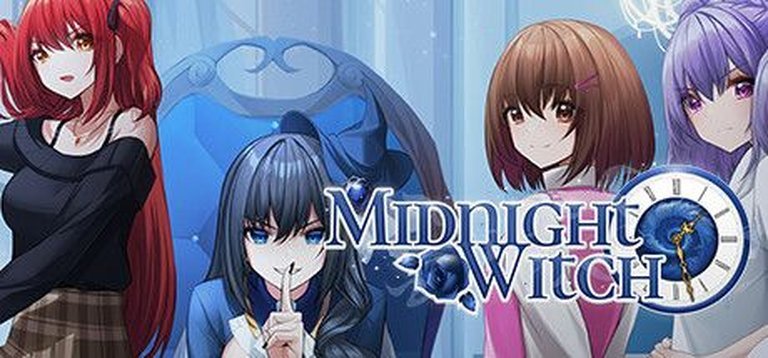
Midnight Witch is a first-person visual novel set in a fantasy college environment. The story begins with an ordinary day that quickly turns sinister when a new professor, revealed to be a malevolent witch, traps students in a classroom. Players must navigate psychological horror, mystery, and romance as they attempt to survive the witch’s deadly game, uncover the truth, and save their loved ones. The game features a mix of psychological events, including betrayals, infidelity, and mass murder, creating a tense and engaging narrative.
Where to Buy Midnight Witch
PC
Midnight Witch Guides & Walkthroughs
Midnight Witch: A Harrowing Descent into Psychological Horror – An Exhaustive Review
Introduction
A classroom becomes a slaughterhouse, and choices weigh heavier than textbooks. Midnight Witch (2023), a free-to-play visual novel by indie developer Crimson Moon Studio, is not your typical romance-or-death high school drama. It’s a visceral exploration of human fragility under existential terror, wrapped in an anime aesthetic that belies its thematic brutality. Released amid a crowded indie landscape, this game distinguishes itself with unflinching violence, morally ambiguous characters, and a narrative that interrogates the consequences of choice. While its Steam reviews (93% positive from 335 ratings) and critic acclaim (86% from IndieGames) celebrate its ambition, Midnight Witch is a divisive experience—a flawed gem that demands introspection from players willing to endure its darkness.
Development History & Context
The Solo Visionary Behind the Bloodshed
Midnight Witch is a passion project spearheaded by Bren MW, who served as writer, director, and programmer under the banner of Crimson Moon Studio. Built using the Ren’Py engine, the game reflects the democratization of visual novel development, where small teams (or even solo creators) can deliver polished experiences. Bren’s vision was audacious: to fuse the tropes of anime-style visual novels with the nihilism of survival horror, all while interrogating themes like betrayal, sacrifice, and the fragility of social bonds.
A Crowded Genre, a Distinct Voice
The game arrived in May 2023, a time when indie visual novels were thriving on platforms like Steam and itch.io. However, most entries leaned toward cozy romance or fantastical escapism. Midnight Witch dared to subvert expectations, positioning itself as an “utsuge” (a Japanese term for a tragedy-focused visual novel) that prioritized psychological torment over wish fulfillment.
Technical Constraints and Triumphs
Despite its minimal system requirements, the game leveraged 1080p artwork and a haunting original score by In Uchronia (known for music in StarCraft II esports events). The decision to release it as free-to-play—a rarity for narrative-heavy projects—allowed it to reach a wider audience, though it risked underselling its craftsmanship.
Narrative & Thematic Deep Dive
A Trap Sprung by Beauty
The premise is deceptively simple: Kei, a college student, finds himself and his classmates imprisoned by Evelyn, a witch masquerading as their new professor. What begins as a mundane day escalates into a grotesque game of survival, with students picked off one by one. The story unfolds across 4–7 hours, depending on branching paths, and features seven key characters, each harboring secrets that unravel under pressure:
– Chloe and Zoe: Twin sisters with a fractured relationship.
– Emma: A seemingly kind-hearted student with a manipulative streak.
– Wes: The intellectual whose glasses hide a calculating mind.
The Witch’s Cruel Design
Evelyn, the antagonist, is a masterclass in subverted expectations. Her “angelic face” contrasts with her gleeful sadism, and her motivations blur the line between vengeance and nihilistic entertainment. The game’s multiple endings hinge on Kei’s choices, which range from pragmatic alliances to shocking acts of betrayal.
Themes of Futility and Human Frailty
Midnight Witch interrogates the illusion of control. No matter how carefully players navigate dialogue options, death often feels inevitable—a reflection of the game’s thesis that “life is a series of unfair choices.” Themes of infidelity, bullying, and revenge recur, with the classroom serving as a microcosm of societal dysfunction.
Flaws in the Fabric
Critics noted inconsistencies:
– The protagonist’s jarring moral flip-flops (e.g., forgiving betrayals abruptly).
– Overuse of crude language (e.g., repetitive “bitch” insults), which undercuts tension.
– A magic personality quiz that feels tonally disjointed, linking zodiac signs to plot outcomes.
Gameplay Mechanics & Systems
Visual Novel Foundations
As a first-person, menu-driven experience, Midnight Witch adheres to genre conventions:
– Dialogue choices influence relationships and endings.
– Quick-time events during intense moments raise stakes.
– A save-scumming-friendly design encourages experimentation.
Innovations and Missteps
- The “Rulebook” System: Evelyn’s arbitrary rules (e.g., “no shouting”) create a paranoid atmosphere, reminiscent of Danganronpa’s class trials.
- Pacing Issues: Interruptions for trivial banter deflate tension, a flaw noted by IndieGames’ review.
- Achievement Design: Steam achievements like “Phoenix” (unlocked by discovering all personality results in one playthrough) reward masochistic dedication.
World-Building, Art & Sound
Aesthetic Dichotomy
The anime/manga art style, led by artist Foxeleos, juxtaposes cuteness with grotesque violence. Highlights include:
– Evelyn’s Design: Her flowing black hair and piercing blue eyes evoke traditional “yamato nadeshiko” tropes, ironically contrasting her brutality.
– Background Art: SoRA’s environments, from blood-smeared chalkboards to eerie hallways, amplify claustrophobia.
Soundscape of Despair
In Uchronia’s main theme is a melancholic piano piece that lingers, though critics found the rest of the soundtrack forgettable. Voice acting is absent, leaving screams and ambient noises (e.g., dripping blood) to carry emotional weight—a hit-or-miss approach that sometimes veers into overuse (e.g., Dan’s incessant screaming).
Reception & Legacy
Critical Divide
While praised for its bold narrative and multiple endings, the game faced criticism for uneven pacing and tonal whiplash. The IndieGames review encapsulated this duality: “A perfect introduction to the genre… but burdened by unnecessary conversations.”
Commercial Impact
As a free title, Midnight Witch avoided financial risk, amassing 335 Steam reviews (93% positive) by mid-2025. Its success demonstrated the viability of dark visual novels in a market saturated with lighthearted fare.
Influence on the Genre
The game’s unflinching violence and morally gray characters inspired indie developers to explore heavier themes. Its “choice-driven tragedy” framework echoes in titles like Slay the Princess (2023) and Paranormasight (2025).
Conclusion
Midnight Witch is a flawed masterpiece—a game that dares to ask uncomfortable questions about human nature but stumbles in its delivery. Its strengths (haunting art, thematic ambition, and impactful choices) outweigh its weaknesses (pacing issues, repetitive dialogue), cementing its place as a cult classic in the visual novel pantheon. For players seeking a psychological gauntlet rather than escapism, it’s a must-play. Just don’t expect to leave the classroom unscathed.
Final Verdict:
★ ★ ★ ★ ☆ (4/5) – A harrowing, thought-provoking descent into darkness, marred only by its uneven execution.