
- Release Year: 2021
- Platforms: Windows
- Publisher: Green Man Gaming Limited
- Genre: Strategy, Tactics
- Perspective: Diagonal-down
- Game Mode: Single-player
- Gameplay: City building, construction simulation, Puzzle elements, Roguelike
- Setting: Africa, Fantasy
Description
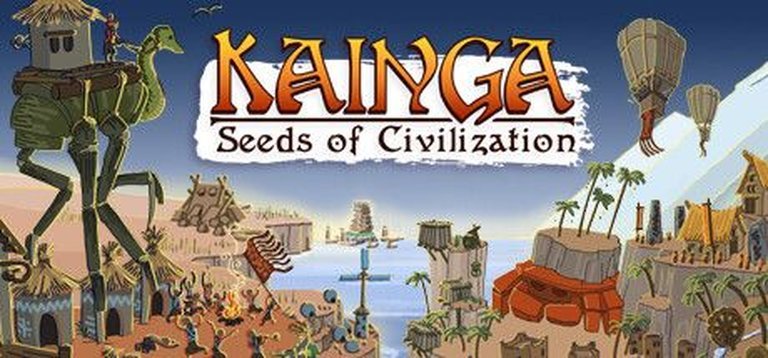
Kainga: Seeds of Civilization is a unique roguelite village-builder set in a mystical African-inspired fantasy world. Players take on the role of a Thinker, guiding their people to build and grow a town while adapting to environmental challenges, encountering beasts, and interacting with other tribes. The game combines city-building, puzzle elements, and roguelike mechanics in a colorful, hand-drawn 2.5D isometric world.
Gameplay Videos
Where to Buy Kainga: Seeds of Civilization
PC
Kainga: Seeds of Civilization Free Download
Kainga: Seeds of Civilization Cracks & Fixes
Kainga: Seeds of Civilization Guides & Walkthroughs
Kainga: Seeds of Civilization Reviews & Reception
ladiesgamers.com : The game has significant frame rate issues.
techgameworld.com : The game itself is full of potential and as it grows it could become one of those products that truly shine with its own light.
gamegrin.com : Kainga: Seeds of Civilization is a roguelite village‑builder with cute graphics, but the game is deceptively difficult.
Kainga: Seeds of Civilization: Review
Introduction
In a genre dominated by sprawling empires and meticulously planned cities, Kainga: Seeds of Civilization dares to defy convention. Developed by solo creator Erik Rempen and published by Silk Softworks, this 2022 roguelite village-builder merges fleeting survival challenges with a whimsical, creature-taming fantasy world. While its uneven execution drew mixed reactions, Kainga stands as a bold experiment—a game that asks: What if Civilization met Spore in a procedurally generated African-inspired landscape? This review explores how its ambition and flaws define its legacy.
Development History & Context
A Solo Vision Amidst a Crowded Genre
Erik Rempen, a one-man studio, conceived Kainga as a response to the rigid formulas of traditional city-builders. Funded via a modest $23,362 Kickstarter campaign in 2021, the game entered Early Access that November, leveraging Unreal Engine 4 and PhysX physics to create its vibrant, dynamic world. Rempen’s goal was clear: distill the essence of village-building into bite-sized, replayable challenges—a stark contrast to contemporaries like Sid Meier’s Civilization or Frostpunk.
Technological Constraints and Iteration
Early Access proved critical. Initial versions suffered from severe AI pathfinding bugs, performance hiccups, and a lackluster tutorial—all flagged by players like LadiesGamers and TechGameWorld. Over 13 months, Rempen refined the experience, adding biomes, Thinker variants, and taming mechanics before its December 2022 launch. Yet, the game’s scope—eight biomes, 400+ technologies, and colossal creatures—tested the limits of solo development, leaving lingering jank in its wake.
Narrative & Thematic Deep Dive
Mythology Without Mythos
Kainga forsakes explicit storytelling for emergent lore. Players guide a “Thinker,” a frail leader whose death spells doom for their tribe. There are no named characters or scripted arcs; instead, themes of adaptation and impermanence dominate. Villages rise and fall, technologies vanish between runs, and colossal beasts—both allies and adversaries—embody the untamed wilderness.
The Thinker’s Burden
The Thinker symbolizes fragility and ingenuity. Unlike godlike rulers in Age of Empires, they hobble across maps, seeking “inspirations” (technology nodes) while dodging storms and rival tribes. Their mortality forces players to balance exploration with defense, echoing survival games like Don’t Starve. This thematic focus on leadership-as-vulnerability is Kainga’s most striking narrative innovation.
Gameplay Mechanics & Systems
Roguelite Meets Village-Builder
At its core, Kainga is a series of 30–90 minute sprints. Each run tasks players with completing biome-specific challenges (e.g., “Tame a Thunder Lizard”) while managing food, housing, and the “Ante” system—a risk-reward mechanic where rapid expansion escalates environmental threats.
- Tech Trees via RNG: Technologies are unlocked via procedural selections (e.g., mud huts vs. stacked apartments), creating unpredictable synergies.
- Creature Taming: Building on giants’ backs or pacifying fire-breathing reptiles offers strategic depth, though taming felt undercooked at launch.
- Permanent Death: Losing a Thinker wipes progress, incentivizing cautious play—a divisive choice among fans of save-scumming.
Flaws in the Foundation
Critics unanimously panned the AI. Braves (villagers) often idled or pathfound into terrain, while Thinkers suicidally sprinted toward hazards. The lack of mid-run saves and unclear tooltips further marred accessibility. Yet, for many, these frustrations were offset by the joy of discovering oddball tech combinations, like floating paddy fields or acid-spitting war beasts.
World-Building, Art & Sound
A Hand-Drawn Fantasy
Kainga’s papier-mâché aesthetic channels Tearaway meets Moebius. Biomes range from neon-soaked jungles to ash-gray volcanoes, each teeming with creatures that loom like Studio Ghibli creations. The art’s deliberate roughness—visible in jagged terrain lines and minimalist UI—evokes a storybook feel, though texture pop-in and frame drops occasionally disrupt immersion.
Soundscapes of Mystery
Somepoint Sound’s soundtrack blends tribal drums with ambient synths, reinforcing the game’s otherworldly vibe. Weather events—crackling thunderstorms, howling winds—are auditory highlights, though NPC chatter lacks diversity.
Reception & Legacy
Critics: Praise Tempered by Frustration
At launch, Kainga earned a “Mostly Positive” Steam rating (76% of 627 reviews), with critics applauding its creativity but docking points for bugs. GameGrin (6/10) called it “let down by its AI,” while Indie Games Devel (6.5/10) lauded its “very good core ideas.” Early Access reviews (LadiesGamers, TechGameWorld) noted its potential but begged for polish.
Influence on the Genre
Though not a commercial juggernaut, Kainga inspired niche successors like Tiny Civilization (2023) to explore roguelite city-building. Its focus on short-form challenges also presaged the rise of “cozy” strategy games, proving that grand campaigns aren’t the only path to depth.
Conclusion
Kainga: Seeds of Civilization is a flawed gem—a game that marries audacious ideas with technical growing pains. Its roguelite structure, creature-taming mechanics, and striking art direction set it apart, but clunky AI and a steep learning curve hinder mass appeal. For patient players, though, it offers something rare: a city-builder unafraid to burn its villages to the ground.
Final Verdict: A visionary 7/10. Kainga isn’t for everyone, but its bold experimentation cements its place as a cult classic in strategy gaming’s frontier.