
- Release Year: 2021
- Platforms: Nintendo Switch, PlayStation 4, Windows, Xbox One, Xbox Series
- Publisher: Techland S.A., Warner Bros. Interactive Entertainment Inc.
- Developer: Techland S.A.
- Genre: Compilation
- Perspective: First-person
- Game Mode: Co-op, Online Co-op, Single-player
- Gameplay: Crafting, Melee Combat, Open World, Parkour, Survival
- Setting: Post-apocalyptic, Urban
- Average Score: 92/100
Description
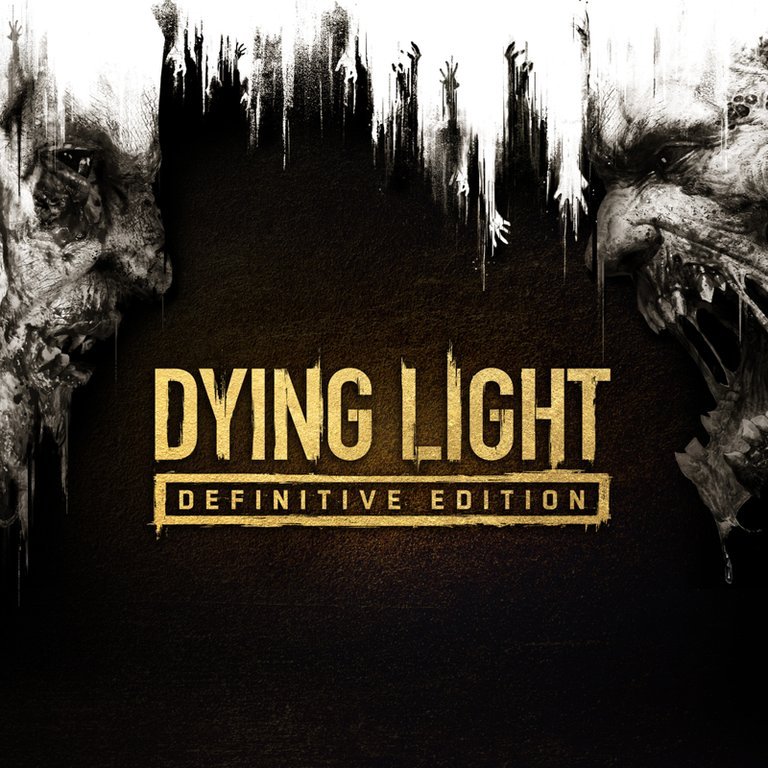
Dying Light: Definitive Edition is an action-packed survival horror game set in the quarantined city of Harran, overrun by a brutal zombie outbreak. Players assume the role of Kyle Crane, an undercover agent navigating a perilous open world using parkour mechanics, dynamic combat, and crafting to survive both infected hordes and hostile human factions. The game features a tense day-night cycle, where dangers escalate after dark, and cooperative multiplayer for shared survival challenges. This edition includes the base game, all major story DLCs like ‘The Following’ and ‘Hellraid,’ and a vast array of cosmetic bundles and weapon packs for the ultimate experience.
Gameplay Videos
Where to Buy Dying Light: Definitive Edition
PC
Dying Light: Definitive Edition Mods
Dying Light: Definitive Edition Reviews & Reception
metacritic.com (90/100): Dying Light has given us 7 years of action, suspense, blood and desperate situations that conclude with the release of this Definitive Edition, everyone who is still interested in having a dream experience with the first Dying Light should try it.
reddit.com : I’ve finally gotten my hands on a seven-year-old game that I’ve been wanting to play for a very long time. I was worried that this game would get repetitive and I’ve finally been proven wrong.
Dying Light: Definitive Edition Cheats & Codes
Dying Light PC (2021)
Press the hotkey combinations listed below while in game to activate the corresponding cheat.
| Code | Effect |
|---|---|
| LCTRL+F2 | Infinite money |
| RCTRL+F2 | Infinite gas (car) |
| RCTRL+F3 | Infinite nitro |
| RSHIFT+F1 | Godmode (carparts) |
| ALT+F1 | Godmode |
| ALT+F3 | Infinite stamina (running) |
| LCTRL+F1 | Indestructible weapons |
| LCTRL+F5 | Infinite ammo |
| LCTRL+F6 | No reload |
| RCTRL+F1 | Infinite gas (flamethrower) |
| ALT+F2 | Infinite stamina (weapons) |
| LCTRL+F7 | Easy lock-picking |
| HOME+F1 | Fill survival-experiences |
| HOME+F2 | Fill agility-experiences |
| HOME+F3 | Fill power-experiences |
| LCTRL+F3 | Infinite equipment |
| LCTRL+F4 | Minimum 50 items |
| LSHIFT+F5 | Infinite grappling hook |
| LSHIFT+F6 | Infinite UV-flashlight |
| LSHIFT+F7 | Infinite potion duration |
| RSHIFT+F2 | Infinite repairs (carparts) |
| LCTRL+F9 | Infinite challenge time |
| LSHIFT+F1 | Freeze time of day |
| LCTRL+F10 | Infinite Bozak Horde time |
| LSHIFT+F2 | Time of day: midday |
| LSHIFT+F3 | Time of day: midnight |
Dying Light: Definitive Edition: Review
Introduction
In the pantheon of survival horror games, few titles have left as indelible a mark as Dying Light. Released in 2015 by Polish studio Techland, the game redefined zombie apocalypse narratives with its seamless blend of parkour traversal, visceral combat, and a harrowing day-night cycle. Seven years and countless updates later, Dying Light: Definitive Edition (2021) serves as the ultimate encapsulation of this cult classic, bundling the base game with all major DLCs and cosmetic packs. This review dissects the game’s legacy, its intricate systems, and its enduring influence on the genre. Thesis: Dying Light: Definitive Edition is not just a compilation—it’s a testament to Techland’s commitment to iterative excellence, offering one of the most immersive and mechanically rich survival horror experiences in gaming history.
Development History & Context
Techland, fresh off the success of Dead Island (2011), sought to create a more mature, systems-driven survival experience. Freed from publisher Deep Silver’s creative constraints, the studio partnered with Warner Bros. Interactive Entertainment to realize their vision: a game where movement was as vital as combat. The team aimed to evolve the zombie genre by integrating parkour—a mechanic inspired by Mirror’s Edge but grounded in realism through consultation with parkour pioneer David Belle.
The development faced significant hurdles. Techland’s proprietary Chrome Engine 6 struggled to accommodate the “Natural Movement” system, which dynamically identified climbable surfaces without predefined hooks. This innovation demanded a complete overhaul of animations, AI, and level design, delaying the game’s release to 2015. Originally planned for PlayStation 3 and Xbox 360, these versions were scrapped due to hardware limitations, focusing instead on PC and next-gen consoles.
Launched amid a crowded market, Dying Light distinguished itself by refusing to compromise on its vision: a brutal, open-world survival simulator where fear of the dark was as palpable as the thrill of rooftop escapes.
Narrative & Thematic Deep Dive
Set in the fictional Middle Eastern city of Harran, Dying Light follows undercover GRE agent Kyle Crane (voiced by Roger Craig Smith), tasked with retrieving a bioweapon file from warlord Kadir “Rais” Suleiman. The narrative unravels as a taut conspiracy thriller, exposing the GRE’s complicity in weaponizing the Harran Virus (THV). Crane’s moral ambiguity—lying to survivors about Antizin supplies while battling infection—anchors the story in shades of gray.
Themes of institutional corruption and survivalist sacrifice dominate. Characters like Jade Aldemir and her brother Rahim humanize the crisis, while Rais embodies the nihilistic opportunism bred by collapse. The 2016 expansion The Following delves deeper, introducing a rural cult led by the enigmatic “Mother,” a sentient Volatile offering a Faustian bargain: nuclear annihilation as salvation. This expansion’s bleak endings—Crane detonating a warhead or becoming a Volatile—reinforce the game’s central question: How much humanity must we lose to preserve it?
Gameplay Mechanics & Systems
Dying Light’s genius lies in its trifecta of systems: parkour, combat, and the day-night cycle.
-
Parkour: The game’s traversal mechanics are revelatory. Scaling buildings, vaulting obstacles, and leaping between rooftops feels fluid, aided by a skill tree that gradually unlocks abilities like tuck rolls and grappling hooks. Movement isn’t just utility—it’s survival.
-
Combat: Melee weapons—from wrenches to katanas—degrade with use, incentivizing scavenging and crafting. The weighty, bone-crunching feedback contrasts with clumsy firearm handling (intentionally designed to avoid trivializing threats).
-
Day-Night Cycle: Daylight incentivizes exploration and side quests, while nighttime transforms Harran into a hellscape ruled by Volatiles. The shift isn’t cosmetic; nighttime rewards bravery with double XP but punishes mistakes with relentless chases.
The Definitive Edition integrates all DLCs:
– The Following adds a vast countryside map and drivable buggies.
– Bozak Horde introduces a stadium-based horde mode.
– Hellraid transplants Techland’s canceled medieval project into a demonic dungeon crawler.
– Over 20 cosmetic bundles (e.g., Volkan Combat Armor, Retrowave) allow players to customize Crane’s aesthetic.
Co-op (up to four players) and asymmetric multiplayer (“Be the Zombie”) further enrich replayability.
World-Building, Art & Sound
Harran’s design borrows from Istanbul and Mumbai, blending minaret-dotted skylines with claustrophobic slums. The art direction emphasizes decay: abandoned cars rust in the sun, while makeshift barricades tell silent stories of desperation. Old Town’s Moorish architecture contrasts with the Slums’ favela-like sprawl, each district offering verticality that rewards parkour mastery.
Sound design is equally meticulous. By day, distant groans and wind create unease; by night, Volatile shrieks and the thunder of pursuers induce panic. Composer Paweł Błaszczak’s score oscillates between melancholic synth melodies and pulsating horror motifs, heightening the emotional stakes.
Reception & Legacy
At launch, Dying Light earned mixed reviews (74/100 Metacritic), praised for its mechanics but critiqued for a generic story. Over time, updates like the Enhanced Edition (2016) and community events solidified its reputation. The Definitive Edition’s 2021 release further cemented its status, boasting 80% critic approval (Jeuxvideo.com) and a passionate player base.
Commercially, it broke records: 20 million copies sold by 2022, making it Techland’s most successful IP. Its legacy is evident in Dying Light 2 (2022), which expanded narrative branching but owed its DNA to the original’s parkour combat. The Definitive Edition’s Switch port (2021) demonstrated its cross-platform endurance, despite visual compromises.
Conclusion
Dying Light: Definitive Edition is more than a retrospective—it’s the definitive way to experience a modern classic. Techland’s relentless post-launch support transformed a flawed gem into a genre benchmark, blending tactile gameplay with atmospheric storytelling. While its narrative occasionally stumbles, its systems—parkour, combat, and the day-night cycle—remain unmatched. For survival horror enthusiasts, it’s not just a game; it’s a masterclass in tension, traversal, and terror. Final Verdict: A landmark title that reshaped zombie games, deserving of its place alongside Resident Evil and Dead Space in horror history.